
The electric vehicle industry has entered a new chapter. A few years ago, most attention went to large car makers such as Tesla, Volkswagen, and BYD. Today, many young companies have started to shape the future of transportation. These startups bring fresh ideas, new technology, and smart business models to the market.
The EV sector now covers much more than electric cars. Companies also focus on batteries, charging systems, software, electric scooters, motorcycles, and urban mobility solutions. As governments push for cleaner transportation and consumers look for greener options, EV startups have a major opportunity to grow.
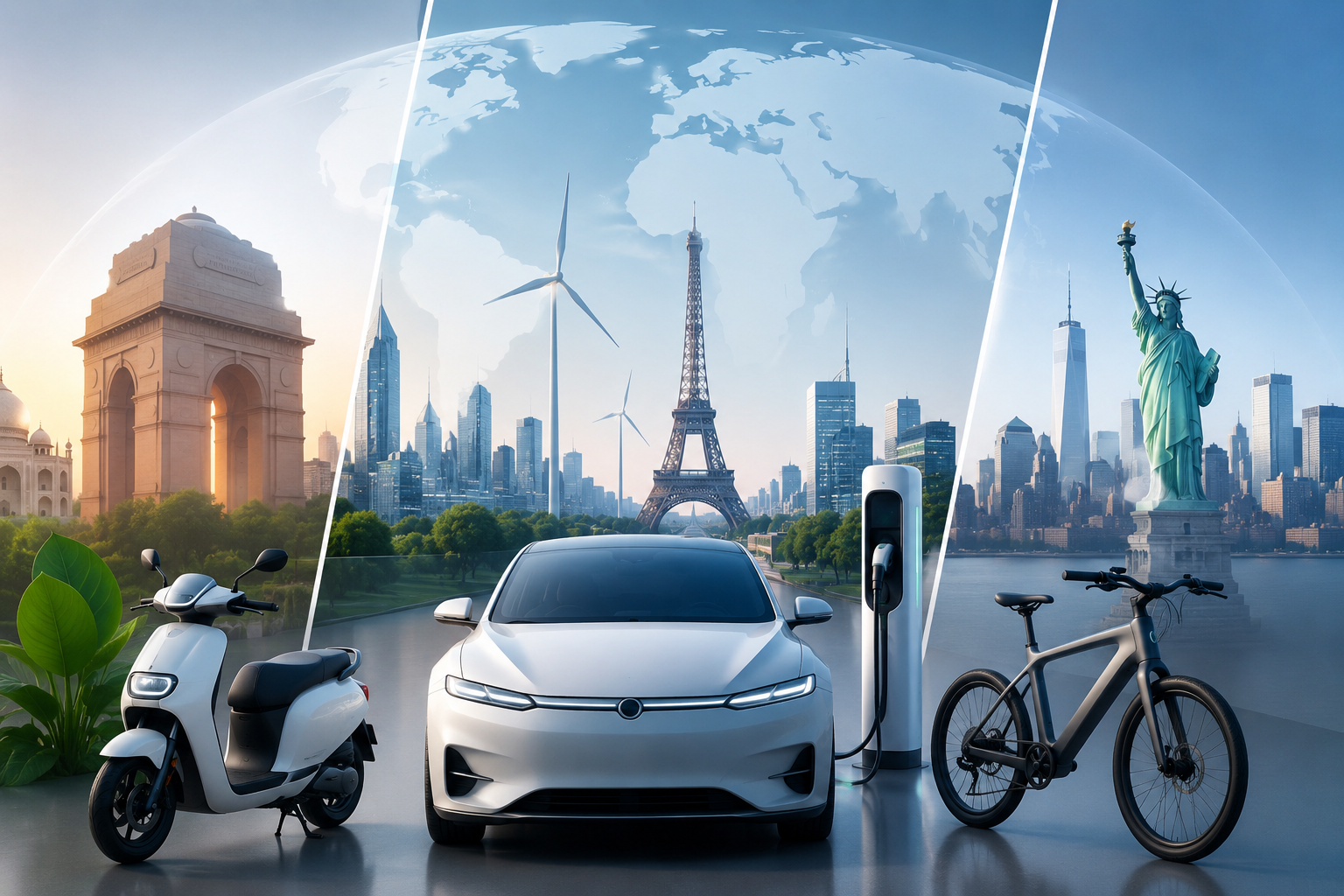
In 2026, several startups from India, Europe, and the United States stand out because of their innovation, investment activity, and market progress. These companies could play an important role in the future of mobility.
India Emerges as a Strong EV Innovation Hub
India has become one of the fastest-growing EV markets in the world. Government support, rising fuel prices, and growing environmental awareness have encouraged more people to switch to electric vehicles. As a result, several local startups have gained attention.
Ather Energy Leads with Quality and Technology
Ather Energy has built a strong reputation in India’s electric scooter market. The company focuses on premium products, advanced software, and a smooth customer experience. Its scooters attract urban buyers who want modern features and reliable performance.
One reason behind Ather’s success is its charging network. The company continues to expand Ather Grid, which helps users charge their vehicles across many cities. Ather also plans to increase its retail presence significantly, with a target of around 700 outlets across India.
The company’s Rizta scooter has helped attract family buyers, which opens a larger market segment. With growing sales and a strong brand image, Ather remains one of the most promising EV startups in India.
Ola Electric Pushes for Scale
Ola Electric remains one of the biggest names in India’s EV sector. The company aims to control more parts of the supply chain than many competitors. This strategy includes battery production, vehicle manufacturing, and software development.
Although Ola Electric has faced challenges in recent years, it continues to invest heavily in future growth. The company recently approved investments worth more than $200 million for EV and battery-cell operations through 2027.
Battery production remains a key focus. By producing battery cells locally, Ola hopes to reduce costs and strengthen its position in the market. If these plans succeed, the company could become a major force not only in India but also in international markets.
Ultraviolette Brings Performance to Electric Mobility
Ultraviolette Automotive has taken a different path from many EV startups. Instead of focusing on mass-market scooters, the company has built high-performance electric motorcycles.
Its products appeal to buyers who want speed, advanced engineering, and premium design. The startup has attracted strong investor interest and recently secured fresh funding worth ₹404 crore.
The company plans to use this capital to expand its product range and enter new markets. As demand for premium electric motorcycles grows, Ultraviolette could become one of India’s most recognized EV brands.
Europe Focuses on Battery Innovation
Europe remains one of the world’s largest EV markets. However, the region faces intense competition from China and North America. To stay competitive, many European startups focus on battery technology and energy solutions.
Verkor Strengthens Europe’s Battery Supply Chain
France-based Verkor has become one of Europe’s most important battery startups. The company works to build large-scale battery manufacturing facilities that can supply European automakers.
Verkor secured approximately $2.15 billion to support construction of its battery gigafactory in Dunkirk, France. This project represents one of the largest battery investments in Europe.
Battery production plays a critical role in the EV industry because batteries account for a large portion of vehicle costs. By increasing local production, Verkor hopes to reduce dependence on imports and support Europe’s long-term EV ambitions.
Nyobolt Works on Ultra-Fast Charging
Charging speed remains one of the biggest concerns for EV buyers. Nyobolt aims to solve this challenge through advanced battery technology.
The company develops battery systems that can charge much faster than traditional solutions. This technology could make electric vehicles more convenient for everyday use.
Investor confidence remains strong. Nyobolt secured an additional $30 million in funding during 2025. The company now works toward commercial partnerships and wider deployment of its battery technology.
If fast charging becomes a standard feature across the industry, Nyobolt could become an important technology supplier for future EV platforms.
Northvolt Shows the Challenges of the Industry
Northvolt was once viewed as Europe’s strongest battery startup. The company attracted major investments and ambitious expansion plans.
However, Northvolt filed for bankruptcy protection in Sweden during 2025. While this development created concerns across the industry, it also highlighted the challenges of large-scale battery manufacturing.
Despite its difficulties, Northvolt’s story remains important because it shows both the opportunities and risks within the EV sector. The outcome of its restructuring efforts may influence future battery investments across Europe.
The United States Continues to Produce Major EV Players
The United States remains one of the world’s most influential EV markets. Several startups continue to challenge traditional automakers through innovation and new business models.
Rivian Expands Beyond Vehicle Manufacturing
Rivian has moved beyond the typical startup phase and now operates as a major EV company. The brand has gained recognition for its electric trucks, SUVs, and commercial delivery vehicles.
A major milestone came through its partnership with Volkswagen. The agreement includes a software and technology joint venture that could reach a value of approximately $5.8 billion.
This partnership highlights a growing industry trend. Modern vehicles rely heavily on software, and companies with strong software capabilities may gain a competitive advantage in the future.
Slate Auto Targets Affordable EV Buyers
Many EV companies focus on premium products, but Slate Auto aims to serve budget-conscious consumers.
The startup gained significant attention after securing $650 million in fresh funding during 2026. Reports also suggest that the company received more than 160,000 reservations for its affordable electric pickup truck.
Affordable vehicles remain one of the biggest opportunities in the EV market. If Slate Auto successfully scales production, it could attract a large number of first-time EV buyers.
Also Focuses on Urban Mobility
Also represents a different type of EV startup. Rather than building traditional passenger vehicles, the company focuses on smaller electric mobility solutions.
The startup launched with $105 million in funding and plans to develop electric bikes, scooters, and other compact transportation options.
As cities become more crowded, demand for lightweight electric mobility solutions may increase. This trend could create significant growth opportunities for companies like Also.
The Future Looks Bright for EV Startups
The EV industry continues to evolve at a rapid pace. Success no longer depends only on vehicle production. Battery technology, software systems, charging solutions, and urban mobility platforms have become equally important.
India continues to produce strong vehicle-focused startups such as Ather Energy, Ola Electric, and Ultraviolette. Europe remains a center for battery innovation through companies like Verkor and Nyobolt. Meanwhile, the United States continues to generate ambitious startups such as Rivian, Slate Auto, and Also.
These companies face challenges, including competition, funding pressure, and production costs. However, they also have enormous opportunities as electric mobility becomes more common around the world.
The next few years will reveal which startups can turn innovation into long-term success. For investors, industry leaders, and consumers, these are the EV companies worth watching closely in 2026.
Also Read – Saudi Arabia’s Startup Boom: Building a Future Beyond Oil