
The startup world changes fast. Every few years, a new industry rises and takes the spotlight. In the past, people saw social media, food delivery, and fintech grow at high speed. Today, the market looks very different. Investors, founders, and large companies now focus on industries that solve real-world problems with smart technology.
Experts believe 2027 may become a major year for deep technology. Artificial intelligence already changed many industries, but the next phase may go much further. Instead of simple chat tools and mobile apps, startups now build machines, systems, and platforms that work in factories, hospitals, offices, farms, and even battle zones.
Many reports from venture firms and market experts show the same trend. Money now moves toward robotics, AI systems, defense tools, energy technology, healthcare platforms, and cybersecurity. These sectors may shape the next global business wave.
This article explains the startup industries that may dominate 2027 and why experts expect huge growth in these areas.
Physical AI and Robotics May Lead the Market
Robotics may become the biggest startup sector by 2027. For many years, robots stayed inside factories. Today, startups create robots that work in warehouses, hospitals, farms, hotels, and homes.
Artificial intelligence gives robots the power to think, learn, and react. Because of this change, many investors now place large bets on physical AI companies.
Factories across the world already face worker shortages. Many companies also want faster production and lower costs. Robots may help solve both problems. A smart robot can work all day without rest and complete tasks with speed and accuracy.
Warehouse automation also grows very fast. Online shopping companies need quick delivery systems. Startups now build robots that move packages, sort items, and manage inventory without human help.
Agriculture may also see major changes. Farming startups now create robots that pick fruits, check soil quality, and reduce water waste. This technology may help countries deal with food demand and climate pressure.
Humanoid robots also attract attention. Some startups now build robots that walk, carry objects, and support physical labor. Large tech firms already invest billions in this sector.
Reports from venture research firms show strong growth in robotics funding. Many investors believe physical AI may become larger than traditional software during the next decade.
AI Infrastructure May Create Massive Wealth
Many people think AI chat tools represent the biggest AI opportunity. Experts disagree. They believe the largest profits may come from the systems behind AI.
AI infrastructure includes chips, data centers, cloud systems, networking tools, and computing platforms. Every AI product depends on this hidden layer.
As AI use grows, the need for computing power also rises. Large language models need huge amounts of energy and advanced hardware. Because of this demand, startups that support AI infrastructure may see massive growth before 2027.
Chip startups already receive huge investments. Companies now race to create faster and more efficient processors. These chips help AI systems work at high speed while using less energy.
Data centers also matter more than ever. AI models need large buildings full of servers and cooling systems. Startups now create smarter data center solutions that reduce electricity costs.
Cloud infrastructure companies may also dominate the market. Businesses want simple ways to run AI tools without building their own systems. Startups that provide secure and powerful AI cloud services may become major players.
Many experts compare this moment to the early internet era. During that period, infrastructure companies built the foundation of the digital economy. AI infrastructure startups may follow the same path.
AI Agents May Replace Repetitive Office Work
AI agents may become one of the most powerful business tools by 2027. These systems go beyond simple chatbots. They can complete tasks, make decisions, and manage workflows with little human support.
An AI agent may answer customer emails, book meetings, prepare reports, and study market data within seconds. Some startups already build AI workers for sales, research, coding, customer service, and finance.
Businesses want higher productivity and lower operating costs. AI agents may help companies achieve both goals. Instead of hiring large support teams, firms may use smart digital systems that work around the clock.
Many experts believe future offices may use teams of AI agents together. One system may handle sales, another may manage accounting, while a third may study business trends.
This technology may also help small businesses compete with larger firms. A startup with a few employees may run operations that once required hundreds of workers.
Research groups and market experts now describe multi-agent systems as a major future trend. Venture capital firms continue to invest heavily in this space.
The next few years may decide which startups become leaders in autonomous software.
Defense Technology May See Huge Expansion
Defense startups once struggled to attract venture funding. Today, the situation looks very different. Rising global tensions changed investor opinion.
Governments across the world now spend more money on military technology, cybersecurity, drones, and surveillance systems. Because of this shift, defense startups may become one of the fastest-growing sectors before 2027.
Autonomous drones already play a major role in modern conflict zones. Startups now create smarter drone systems with AI support, advanced sensors, and better communication tools.
Cyber defense also receives strong attention. Countries fear digital attacks on banks, hospitals, airports, and energy systems. Startups that protect national infrastructure may see huge demand.
Space defense may also become important. Satellites now support communication, navigation, and military systems. Governments want stronger protection in this area.
Many investors once avoided defense companies because of ethical concerns. Today, several large venture firms openly support national security startups.
Experts believe this trend may continue because governments need advanced technology to manage future risks.
Climate and Energy Startups May Shape the Future
Climate technology still remains one of the largest startup sectors in the world. However, the market focus changed in recent years.
Earlier climate startups mostly promoted green ideas. Today, investors look for companies with strong business models and real profits.
Energy demand continues to rise because of electric vehicles, smart cities, and AI data centers. Countries now need better energy systems to support future growth.
Battery technology startups may become major winners by 2027. Better batteries may improve electric cars, renewable energy storage, and portable devices.
Grid modernization also matters. Many countries still use old electricity systems. Startups now create software and hardware that improve energy flow and reduce waste.
Climate adaptation may also become a large business category. Heat waves, floods, and droughts already affect millions of people. Startups now build systems that help cities, farms, and companies manage climate risks.
Sustainable materials may also gain market share. Many industries want alternatives to plastic and harmful chemicals. Startups that create eco-friendly materials may attract strong investment.
Experts believe climate and energy technology may become essential because the world needs cleaner and stronger infrastructure.
Healthcare and Longevity Startups May Rise Fast
Healthcare may become one of the most important technology sectors before 2027. Artificial intelligence now helps researchers discover drugs, study diseases, and improve medical treatment.
AI drug discovery may reduce research time and lower costs. Traditional drug development often takes many years. AI systems can study huge amounts of medical data much faster.
Precision medicine also gains attention. This approach creates treatments based on a person’s genes, health history, and lifestyle. Startups in this space may transform future healthcare.
Preventive healthcare may also grow. Many companies now create systems that detect disease before symptoms appear. Early treatment may save lives and reduce medical costs.
Longevity startups attract strong interest as well. These companies study aging and ways to improve long-term health. Some researchers believe science may help people stay healthier for much longer.
Remote healthcare platforms also continue to expand. Patients now expect faster digital medical support through apps and online services.
Healthcare investors see huge potential because aging populations continue to grow across many countries.
Cybersecurity May Become More Important Than Ever
Every new technology creates new security risks. As AI spreads across industries, cybersecurity becomes more important.
Hackers now use advanced tools to steal data, attack systems, and spread false information. Businesses and governments need stronger protection than ever before.
AI security startups may dominate because traditional defense systems no longer work well against modern threats.
Identity verification technology may become critical. Companies want tools that stop fraud and protect customer accounts.
AI model protection also matters. Large language models contain valuable data and business information. Startups now create systems that secure AI platforms from attacks and misuse.
Autonomous cybersecurity systems may also rise. These tools can detect threats and respond without human action.
Cybersecurity spending often stays strong even during economic slowdowns. Companies cannot afford major digital attacks.
Because of this reason, many experts expect cybersecurity startups to remain strong for many years.
Some Older Startup Trends May Slow Down
Not every startup sector may dominate 2027. Some industries that once received huge attention now face slower growth.
Traditional software startups may struggle because AI tools make basic software easier to build. Competition also grows very fast in this market.
Consumer social media apps may face problems because users already spend time on large existing platforms. New startups may find it hard to gain attention.
Food delivery and quick commerce companies also face pressure from high costs and low profit margins.
Some parts of the crypto and NFT market lost investor trust after major market crashes. While blockchain technology may still grow in some areas, experts no longer expect the same level of hype.
Fintech still remains important, but investors now prefer startups with strong profits instead of rapid expansion without revenue.
The startup market today rewards businesses with deep technology, strong barriers, and real long-term value.
Why 2027 May Look Different From Today
The startup world may enter a major transition before 2027. Earlier technology waves mostly focused on apps and digital services. The next phase may focus on systems that change industries in the real world.
Artificial intelligence already changed office work and online services. The next step may bring AI into factories, hospitals, power grids, defense systems, and transportation networks.
This shift may create larger businesses than previous startup waves because these industries connect to global infrastructure.
Governments may also play a larger role in startup growth. Defense, energy, healthcare, and climate projects often depend on public funding and regulation.
At the same time, large corporations may buy promising startups faster than before. Many established firms now fear disruption from AI and automation.
Because of these changes, experts believe the next generation of startup giants may come from deep technology sectors instead of traditional internet businesses.
Conclusion
The startup industries that may dominate 2027 share one common idea. They solve large real-world problems with advanced technology.
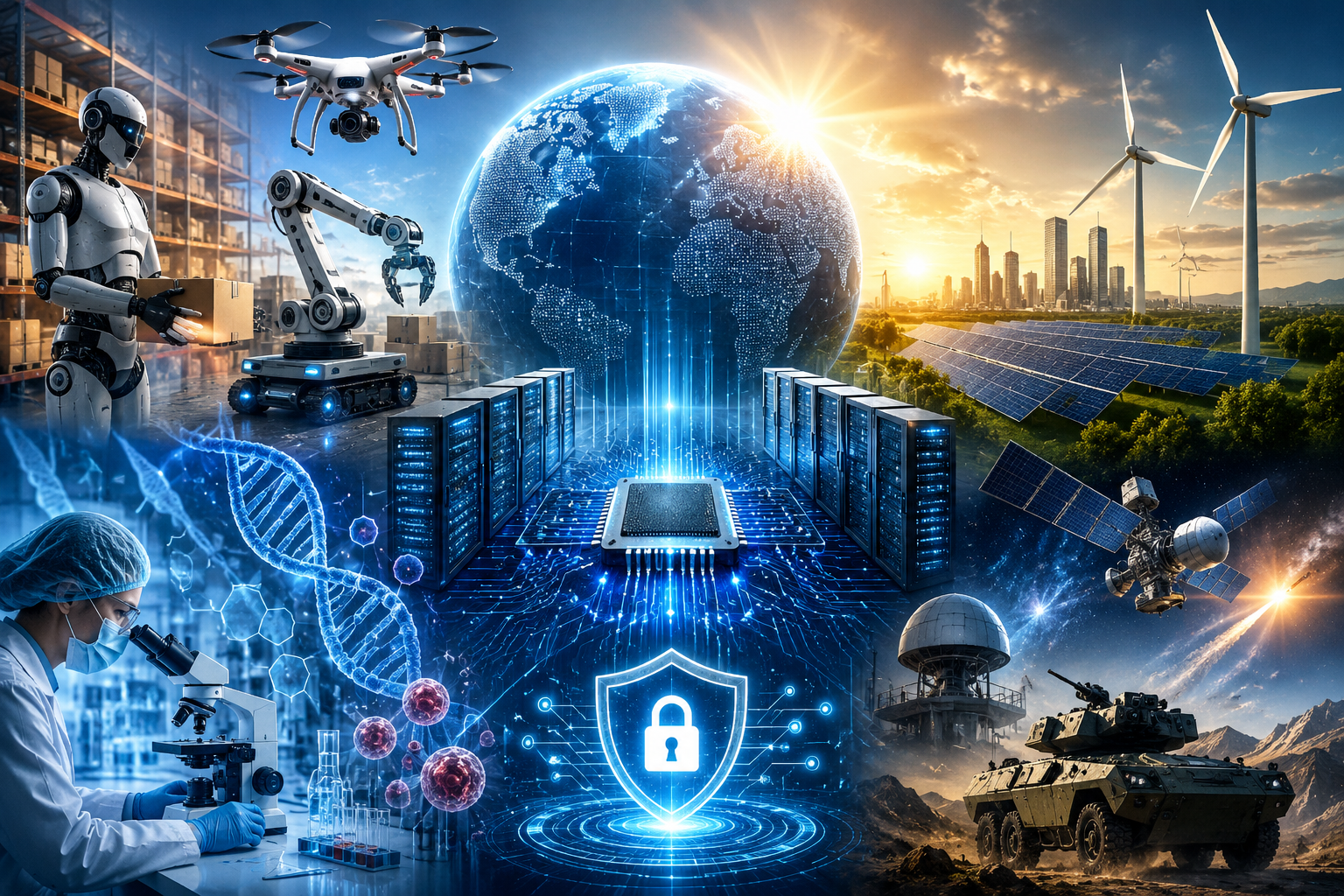
Robotics may transform factories and warehouses. AI infrastructure may power the digital economy. Autonomous software may reshape office work. Defense startups may support national security. Climate and energy firms may improve global infrastructure. Healthcare startups may change medicine. Cybersecurity companies may protect the digital world.
These sectors already attract billions of dollars in investment. Large companies, governments, and venture firms now compete to secure positions in these markets.
The next few years may decide which startups become future global giants. While nobody can predict the future with complete accuracy, current data strongly suggests that deep technology industries may lead the startup world by 2027.
Also Read – BMW Starts $300 Million AI Fund for Car Industry