
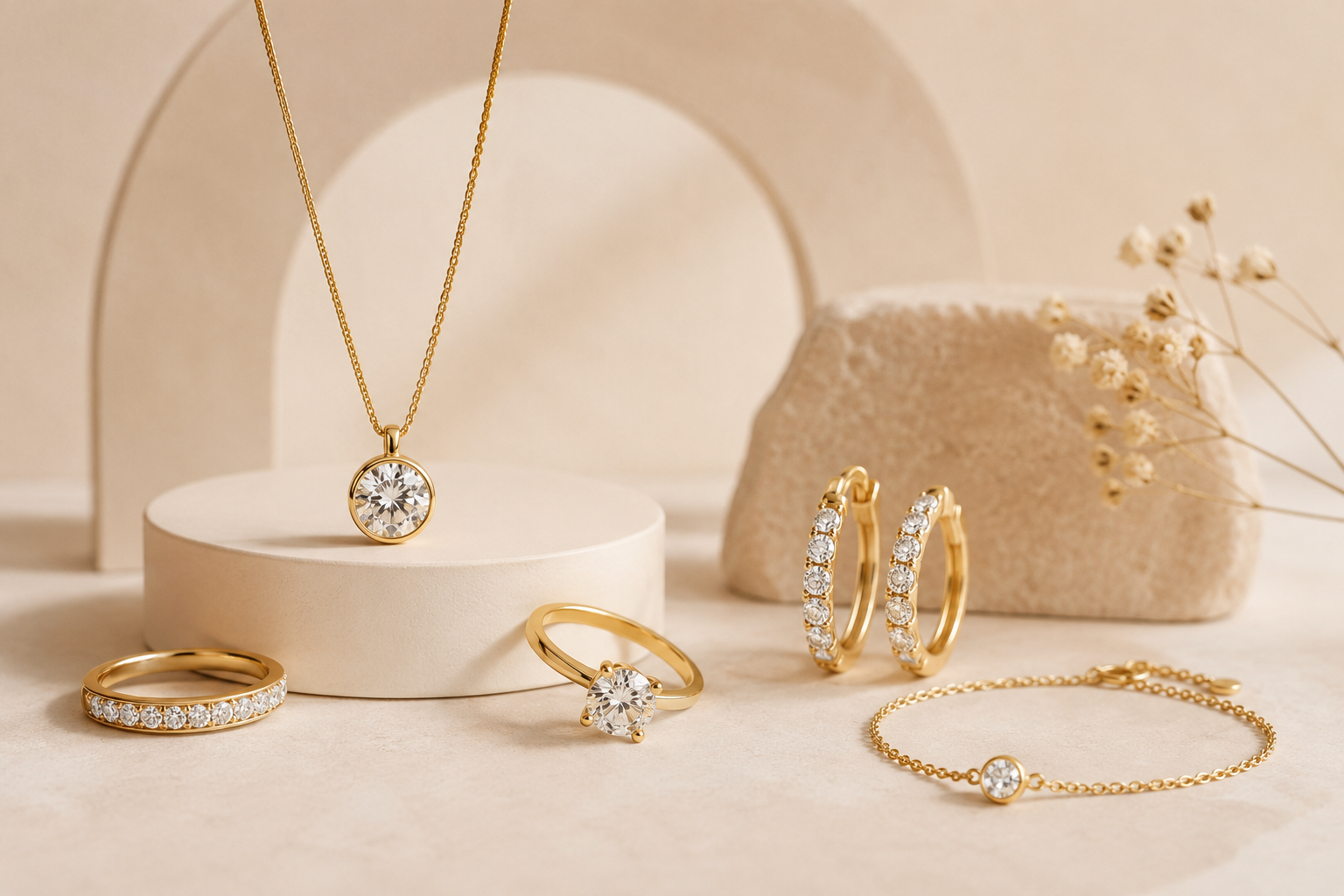
The global jewelry market has seen a major change in the last few years. Young buyers now look for fresh designs, fair prices, and ethical products. Because of this shift, many jewelry startups have entered the market with new ideas and modern business models. These startups use technology, social media, and direct online sales to reach customers faster than traditional jewelry brands.
The startup world in jewelry now looks very different from the past. Earlier, large family-owned brands ruled the industry for decades. Today, smaller companies with strong digital plans attract both customers and investors. These startups focus on lab-grown diamonds, custom jewelry, affordable luxury, and online shopping experiences. Many of them also use artificial intelligence and virtual try-on tools to improve customer trust.
India, the United States, and some parts of Europe now lead this startup wave. Among these regions, India has become one of the fastest-growing markets for jewelry startups. Investors see huge potential in this space because young buyers continue to spend more on modern jewelry products.
Strong Growth in Startup Funding
The growth of direct-to-consumer jewelry brands has become one of the biggest stories in retail. Reports show that D2C jewelry startups raised more than $977 million in funding over the last ten years. In 2025 alone, funding crossed $174 million. This rise clearly shows that investors believe the jewelry startup market still has strong room for expansion.
One of the biggest reasons behind this growth is the change in customer behavior. Earlier, people mostly bought jewelry during weddings or family events. Today, young consumers also buy jewelry for personal style, daily wear, and self-reward. This trend has opened the market for affordable luxury brands.
Lab-Grown Diamonds Lead the Market
Lab-grown diamonds have become the strongest trend in the jewelry startup industry. These diamonds look almost the same as natural diamonds but cost much less. Most lab-grown diamonds sell for 50 to 80 percent lower prices compared to mined stones. Young buyers prefer them because they offer luxury at lower costs.
Another reason behind the rise of lab-grown diamonds is sustainability. Many consumers now care about ethical sourcing and environmental impact. Traditional diamond mining often faces criticism because of pollution and labor concerns. Lab-grown diamonds give buyers a cleaner and more transparent option.
This change has created huge opportunities for startups. Many new jewelry companies now focus only on lab-grown diamonds. Investors also show greater interest in these businesses because demand continues to rise across many countries.
Lucira Jewelry Draws Investor Attention
One of the most talked-about startups in this space is Lucira Jewelry from India. The company recently raised $5.5 million in seed funding. The funding round was led by Blume Ventures. Industry experts called it one of the largest seed rounds for an Indian jewelry startup.
Lucira Jewelry focuses on lab-grown diamond products and modern fine jewelry. The brand also plans to use artificial intelligence for design customization. Customers can choose styles that match their personal taste. The company wants to open more retail stores by the financial year 2026. This move shows that online-first startups now believe in a strong mix of digital and physical sales.
Limelight Plans Rapid Expansion
Another major name in the market is Limelight Lab Grown Diamonds. The company raised around ₹250 crore to expand its business. It also plans to enter diamond production directly. Limelight hopes to reach 200 stores by 2027. This plan reflects strong confidence in the future of lab-grown jewelry.
Gen Z Changes the Jewelry Industry
The rise of jewelry startups also connects closely with Gen Z buyers. Young consumers no longer follow old buying habits. They want products that feel personal, stylish, and socially responsible. Many Gen Z customers prefer smaller jewelry brands over old luxury names because startups appear more modern and relatable.
Social media has played a major role in this change. Platforms like Instagram and TikTok help jewelry startups show designs directly to millions of people. Influencer marketing also gives these brands strong visibility at lower costs compared to traditional advertising.
Young buyers often discover jewelry brands through online videos and creator reviews. Because of this, startups can build loyal communities very quickly. A small company with creative content can now compete with large global brands.
Demand for Personalized Jewelry
Customization has become another key trend in the jewelry startup market. Many customers want jewelry pieces that match their own personality. They look for custom rings, engraved necklaces, unique gemstones, and special designs.
To meet this demand, many startups now use AI-based design tools. These systems suggest products based on customer taste and shopping behavior. Some brands also offer virtual try-on features. Buyers can see how a ring or necklace looks before purchase. This technology improves confidence and reduces return rates.
Affordable Luxury Becomes Popular
Affordable fine jewelry has also become very popular. Traditional luxury jewelry often costs too much for younger consumers. Startups solve this problem by offering stylish products at lower prices. Brands like Mejuri, GIVA, and AUrate have built strong customer bases with this strategy.
These companies focus on everyday luxury rather than only wedding jewelry. Their collections suit office wear, casual outfits, and daily fashion needs. This approach helps brands attract repeat buyers instead of only seasonal customers.
India Emerges as a Startup Hub
India has emerged as one of the biggest centers for jewelry startups. The country already has a deep connection with gold and diamond jewelry. However, younger Indian consumers now prefer modern styles and online shopping.
Brands like CaratLane, BlueStone, Melorra, and GIVA have changed the Indian jewelry market completely. They combine online convenience with physical stores. Customers can browse products online and later visit stores for final purchases. This hybrid model has become highly successful.
CaratLane became one of the earliest success stories in online jewelry retail. The company helped many Indian buyers feel comfortable with digital jewelry shopping. BlueStone later expanded the idea with strong omnichannel operations.
Melorra entered the market with fashion-forward gold jewelry for young women. The company focused on light and modern designs instead of heavy traditional pieces. This strategy helped it connect with urban buyers.
GIVA gained popularity with silver jewelry and affordable pricing. The brand also used influencer campaigns and social media marketing very effectively. Its growth reflects the larger shift toward affordable luxury products.
Global Jewelry Startups Gain Success
Outside India, several global startups have also gained attention. Mejuri from Canada became famous for minimalist fine jewelry. The company targets women who buy jewelry for themselves rather than waiting for gifts. This idea changed traditional jewelry marketing.
Vrai built its business around lab-grown diamonds and sustainable luxury. AUrate focused on personalized fine jewelry at accessible prices. BaubleBar became popular for fashion jewelry and celebrity partnerships.
Jewelry Rental Market Expands
Another interesting area in the startup market is jewelry rental. Some young consumers prefer access over ownership. Luxury jewelry rental brands allow people to wear expensive pieces without buying them permanently.
Vivrelle has become one of the best-known companies in this category. Members pay subscription fees to borrow luxury jewelry and accessories. This model appeals strongly to fashion-conscious urban buyers.
Colorful Gemstones Gain Demand
High gold prices have also helped startups explore new product ideas. Many designers now use colorful gemstones instead of heavy gold pieces. Emeralds, sapphires, rubies, and tourmalines have become more common in modern collections.
Consumers today look for uniqueness and individuality. Colorful gemstones help jewelry brands create fresh styles that stand out in the market. These designs also attract younger shoppers who want fashion-focused jewelry rather than traditional family collections.
Technology Changes Jewelry Retail
Technology has become the backbone of many jewelry startups. Earlier, jewelry businesses depended heavily on physical stores and personal relationships. Today, startups use data, AI, digital marketing, and virtual tools to grow faster.
Artificial intelligence helps brands understand customer preferences. It also supports inventory management and product recommendations. Virtual try-on tools improve online shopping experiences. These technologies reduce hesitation during expensive purchases.
Some startups now use 3D printing for jewelry design and production. This process helps brands create custom products more quickly. It also lowers production costs and reduces waste.
Investors Focus on Omnichannel Brands
Investor interest in jewelry startups remains strong because the industry still has large growth potential. Experts believe the future belongs to brands that combine sustainability, technology, and direct customer relationships.
Investors especially like companies with strong omnichannel strategies. Online sales alone may not always build trust in jewelry. Physical stores still matter because customers often want to see products before final purchase. Successful startups now balance both online and offline channels.
Supply chain control has also become an important factor. Startups with direct sourcing and production systems often achieve better margins. This advantage becomes even stronger in the lab-grown diamond market.
Pressure on Traditional Diamonds
Many industry experts believe lab-grown diamonds may continue to disrupt the traditional diamond business. Some reports already show pressure on natural diamond prices because of rising demand for lab-grown alternatives.
This shift may create long-term changes in the global luxury market. Younger buyers care less about old ideas connected to mined diamonds. They focus more on value, ethics, and design.
The Future of Jewelry Startups
The future of jewelry startups looks highly promising. Rising internet access, social commerce, and digital payments continue to support online jewelry sales. Young consumers also remain open to new brands and fresh shopping experiences.
At the same time, competition in the sector has become more intense. Many startups now enter the market every year. To survive, brands must offer strong product quality, creative marketing, and excellent customer service.
Trust remains one of the biggest challenges in online jewelry retail. Customers often hesitate before buying expensive products online. Because of this, startups invest heavily in certification, return policies, and customer reviews.
Brand storytelling has become another major growth tool. Consumers now want emotional connections with brands. Startups that communicate strong values often build deeper customer loyalty.
Sustainability may become even more important in the coming years. Buyers increasingly ask questions about sourcing, production, and environmental impact. Jewelry startups that maintain transparency may gain stronger market positions.
The next phase of growth may also include expansion into global markets. Many Indian jewelry startups already plan international sales. Cross-border e-commerce now allows smaller brands to reach customers worldwide.
Conclusion
The jewelry startup ecosystem has clearly moved beyond a temporary trend. It now represents a major transformation in the luxury and retail sectors. Startups have changed how people discover, buy, and wear jewelry.
The strongest winners in this industry are likely to be companies that combine technology, affordability, sustainability, and modern branding. Consumers today want products that feel personal, ethical, and stylish at the same time.
Lab-grown diamonds, AI customization, and affordable luxury will probably remain the biggest growth themes in the near future. India may also continue to rise as a global center for jewelry innovation.
The market now stands at an important turning point. Traditional jewelry businesses still hold strong positions, but startups continue to challenge old systems with fresh ideas and modern technology.
As young consumers shape the future of luxury, jewelry startups appear ready for even bigger growth in the years ahead.
Also Read – Saudi Arabia’s Startup Boom: Building a Future Beyond Oil