
Sirona Hygiene marked Menstrual Hygiene Day with a unique awareness campaign on the busy streets of Delhi. The company joined hands with AWAAZ – The Nukkad Natak Group to bring conversations around menstruation directly to the public through a powerful street play at Sarojini Nagar Market.
The initiative aimed to spread awareness about menstrual hygiene and challenge the silence that still surrounds periods in many parts of India. Through humour, music, satire, and relatable scenes from daily life, the performance encouraged people to speak openly about menstruation and understand that every woman experiences periods differently.
A Street Play With a Strong Message
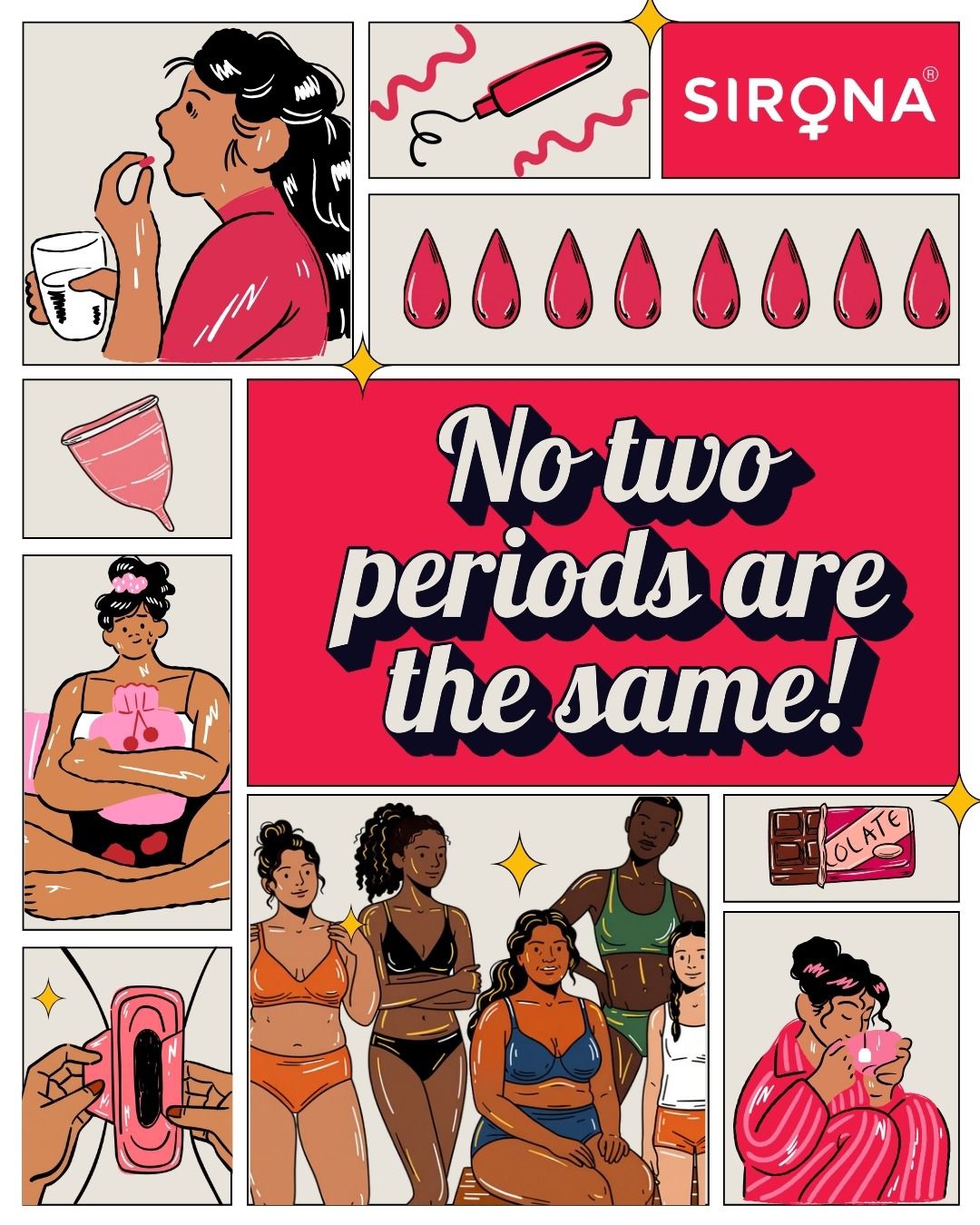
The Nukkad Natak carried a simple but important message — “Periods are normal, but no two periods are the same.” The performance focused on the idea that menstruation should not carry shame, fear, or social restrictions.
The artists recreated common situations that many girls and women still face every month. The play showed how people often speak about periods in whispers inside homes. It also highlighted how shopkeepers continue to wrap sanitary products in newspaper as if they are something to hide.
The performance also touched on old myths that still exist in society. Scenes showed women getting stopped from entering kitchens or temples during menstruation. Young girls dealing with leaks, pain, discomfort, and embarrassment without proper support also formed an important part of the act.
By using familiar everyday moments, the play helped audiences connect with the issue in a natural and emotional way.
Public Engagement at Sarojini Nagar
The performance took place in the middle of the crowded Sarojini Nagar Market in Delhi. Known for its heavy footfall and lively atmosphere, the market became an ideal location for direct public interaction.
Passersby stopped to watch the artists perform and many joined the conversation around menstrual hygiene and body awareness. The street play sparked discussions about the need for open communication around periods and the importance of proper menstrual care.
Unlike formal awareness sessions inside classrooms or offices, the public setup allowed people from different age groups and backgrounds to witness the message together. This approach helped make the discussion more accessible and less uncomfortable.
AWAAZ used its interactive storytelling style to involve the audience throughout the performance. Humour and satire helped make the topic easier to discuss while still delivering a serious social message.
Sirona’s Efforts Around Menstrual Awareness
Sirona Hygiene has worked for years to create awareness around menstrual health and hygiene. The company often focuses on breaking taboos and encouraging honest conversations around periods.
This Menstrual Hygiene Day campaign aimed to move those discussions beyond private spaces and bring them directly into public view. Sirona believed a street play format would help the message reach ordinary people in a simple and relatable manner.
Speaking about the initiative, Sirona Hygiene Co-founder and CEO Deep Bajaj said the company wanted to take conversations around menstrual hygiene out of closed rooms and into the streets. He also said the partnership with AWAAZ became meaningful because of the group’s strong work in social awareness through theatre performances.
According to him, Nukkad Natak creates a direct connection with people because it reflects real-life experiences in an honest and emotional way.
The Role of AWAAZ
AWAAZ – The Nukkad Natak Group has built a strong identity through street theatre performances that focus on social issues and public awareness. The group often uses live performances to address topics that many people avoid discussing openly.
For this campaign, AWAAZ transformed sensitive conversations around menstruation into simple and understandable stories. The artists used interactive dialogue, songs, humour, and emotional scenes to engage viewers from different communities.
Street theatre has always played an important role in India’s social awareness campaigns because it reaches people directly in public spaces. It removes barriers created by formal settings and encourages spontaneous conversations.
The collaboration between Sirona and AWAAZ showed how art and storytelling can become powerful tools for health awareness.
Breaking Myths Around Periods
One of the biggest goals of the campaign was to challenge myths and misinformation linked to menstruation. Even today, many women and girls face restrictions during periods because of old beliefs and social stigma.
In some homes, women still hear that they should not enter kitchens, temples, or family gatherings during menstruation. Many young girls also grow up without proper education about menstrual health, which leads to confusion and shame.
The street play highlighted how silence often makes periods harder than they need to be. Without open conversations, many girls struggle alone with discomfort, leaks, pain, and fear of judgment.
The performance encouraged families and communities to speak more openly about periods and support healthier attitudes toward menstruation.
Importance of Menstrual Hygiene
Menstrual hygiene remains an important health issue in India. Lack of awareness, poor access to products, and social stigma continue to affect millions of women and girls across the country.
Experts often stress the need for better body literacy and education around menstrual health. Open conversations help young girls understand their bodies and make informed choices about menstrual care.
Campaigns like this also encourage people to understand that every woman’s experience with periods can differ. Some women face severe pain while others may experience irregular cycles or emotional discomfort. There is no single experience that defines menstruation.
The message from the campaign focused on empathy, awareness, and acceptance rather than shame or silence.
Why Public Conversations Matter
Public awareness campaigns help normalise conversations around topics that society often avoids. Menstruation affects millions of women every month, yet many still hesitate to discuss it openly.
By taking the conversation into a crowded market through street theatre, Sirona and AWAAZ created a space where people could think, react, and speak without fear.
The campaign also showed that awareness does not always require formal speeches or classrooms. Simple storytelling in public spaces can often leave a stronger emotional impact on audiences.
Menstrual Hygiene Day serves as a reminder that menstrual health forms an important part of overall health and dignity. Efforts like these help build a culture where periods become a normal part of daily conversation instead of a hidden topic.
Through initiatives like the Sarojini Nagar street play, Sirona continues its mission to create openness, confidence, and awareness around menstruation while pushing society toward more informed and stigma-free discussions.
Also Read – Databricks IPO Buzz Grows as AI Boom Lifts Valuation