
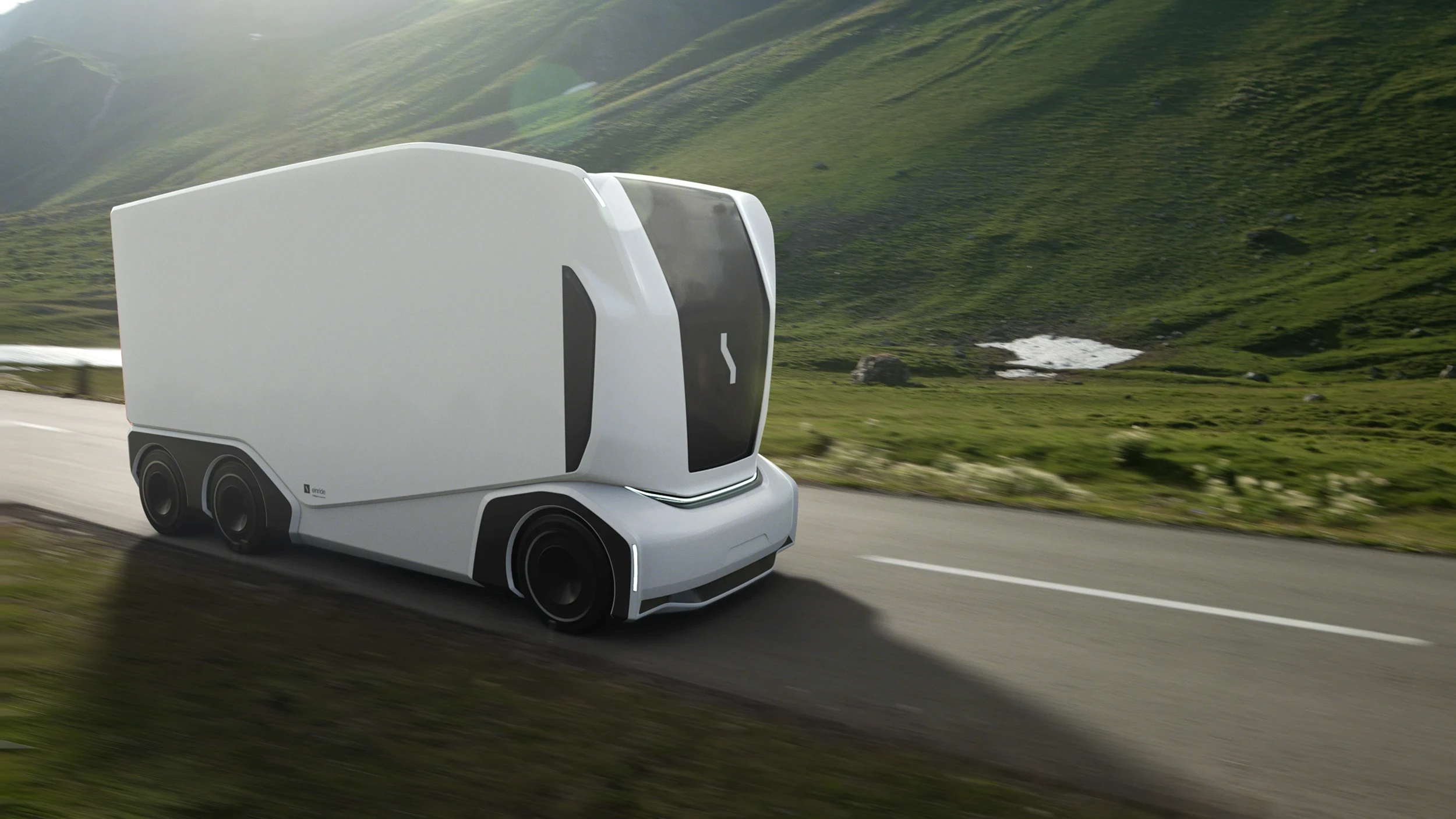
The global mobility sector is undergoing a once-in-a-century transformation. What was once dominated by traditional automakers is now being reshaped by a new generation of startups that are rethinking how people and goods move. These companies are not just building vehicles; they are creating ecosystems that combine hardware, software, infrastructure, and services into seamless mobility experiences.
Mobility startups sit at the intersection of technology, sustainability, and urbanization. With rapid advances in artificial intelligence, electrification, connectivity, and automation, they are redefining transportation as we know it. Over the next decade, these startups will play a decisive role in building cleaner, smarter, and more efficient mobility systems.
The Evolution of Mobility Startups
Mobility startups have evolved significantly over the past two decades. Early entrants focused primarily on ride-hailing and shared mobility. Today, the ecosystem is far more diverse, encompassing electric vehicles, autonomous driving, battery innovation, logistics technology, mobility data platforms, and urban infrastructure solutions.
There are now more than 2,000 active mobility startups globally, and the number continues to grow. Unlike traditional automotive companies, startups are built with a digital-first mindset. They rely heavily on software, data analytics, and platform-based business models, allowing them to innovate faster and adapt to changing consumer needs.
Investment in the sector reflects this momentum. In 2024, mobility startups focused on sustainability—particularly electric vehicles and charging infrastructure—attracted nearly $20 billion in funding. This influx of capital highlights strong investor confidence in the long-term transformation of transportation.
Market Growth and Economic Potential
The future of mobility startups is closely tied to the rapid expansion of the broader mobility market. The global smart mobility market is expected to grow significantly over the next decade, reaching well over $180 billion by the early 2030s. Some projections estimate it could surpass $200 billion, driven by advancements in connected technologies and urban mobility solutions.
Electric vehicles represent one of the largest opportunities. The EV market is projected to exceed $1.8 trillion by 2035, fueled by declining battery costs, stricter emissions regulations, and increasing consumer demand for sustainable transportation.
Autonomous mobility is another high-growth area. The market for autonomous mobility startups is expected to grow from around $15 billion in 2024 to over $50 billion by 2033. Meanwhile, mobility data analytics platforms are gaining importance, with the market projected to grow more than fivefold over the next decade.
These figures highlight a critical shift: mobility is no longer just about manufacturing vehicles. It is about building integrated systems that combine technology, infrastructure, and services.
Key Technology Drivers
Electrification
Electrification is the foundation of modern mobility innovation. Startups are playing a crucial role in accelerating the transition to electric transportation by addressing key challenges such as affordability, charging infrastructure, and battery efficiency.
Electric two-wheelers, scooters, and small urban vehicles are gaining traction, especially in densely populated regions. Startups are also innovating in battery technology, working on solid-state batteries, fast-charging solutions, and battery-swapping systems.
The global push toward decarbonization is further accelerating electrification. Governments are introducing incentives, subsidies, and regulations to promote EV adoption, creating a favorable environment for startups.
Autonomous Driving
Autonomous driving has the potential to revolutionize mobility by eliminating the need for human drivers. Startups are at the forefront of this transformation, developing technologies such as computer vision, sensor fusion, and machine learning algorithms.
The industry is gradually moving from testing to real-world deployment. Robotaxi services are already operating in select cities, and autonomous delivery vehicles are being used for logistics and last-mile delivery.
While fully autonomous vehicles are still a few years away from widespread adoption, significant progress is being made. The combination of improved hardware, better software, and increased data availability is accelerating development.
Software-Defined Vehicles
Modern vehicles are increasingly becoming software-driven platforms. Startups are leading innovation in software-defined vehicles, where functionality can be updated and enhanced through over-the-air updates.
This shift allows manufacturers to introduce new features, improve performance, and fix issues without requiring physical modifications. It also enables new revenue models based on subscriptions and digital services.
Software-defined vehicles are transforming the automotive industry from a product-based business to a service-oriented one.
Artificial Intelligence and Data
Data is becoming the backbone of mobility. Startups are leveraging artificial intelligence to optimize transportation systems, improve safety, and enhance user experiences.
AI is being used for:
- Traffic prediction and management
- Route optimization
- Predictive maintenance
- Autonomous navigation
- Demand forecasting
Mobility data platforms are also enabling cities to become smarter by providing insights into traffic patterns, public transport usage, and infrastructure needs.
Emerging Business Models
Mobility-as-a-Service (MaaS)
Mobility-as-a-Service is a paradigm shift from vehicle ownership to mobility access. Instead of owning a car, users can access multiple transportation options—such as buses, trains, ride-hailing, and shared vehicles—through a single platform.
This model is particularly appealing in urban areas, where congestion and parking challenges make car ownership less practical.
Shared Mobility
Shared mobility services, including ride-hailing, car-sharing, and micro-mobility, have gained widespread adoption. These services reduce the need for private vehicle ownership and improve resource utilization.
The integration of autonomous vehicles is expected to further enhance shared mobility by reducing costs and increasing efficiency.
Logistics and Delivery Innovation
The rise of e-commerce has created new opportunities for mobility startups in logistics and last-mile delivery. Startups are developing innovative solutions such as autonomous delivery robots, electric delivery vehicles, and drone-based logistics systems.
These technologies aim to reduce delivery times, lower costs, and minimize environmental impact.
Platform-Based Ecosystems
Mobility startups are increasingly adopting platform-based models that connect users, vehicles, and infrastructure. These platforms enable seamless integration of services and create network effects that drive growth.
For example, a single platform might offer ride-hailing, public transport integration, and subscription-based mobility services.
Infrastructure and Urban Integration
Infrastructure is a critical component of the mobility ecosystem. Without adequate infrastructure, even the most advanced technologies cannot scale.
Significant investments are being made in:
- EV charging networks
- Smart traffic management systems
- Connected infrastructure (V2X communication)
- Urban mobility hubs
In 2024, more than 1.3 million public EV chargers were added globally, highlighting the rapid expansion of charging infrastructure.
Cities are also adopting smart mobility solutions to improve traffic flow, reduce congestion, and enhance public transportation systems.
Regional Dynamics
North America
North America is a leader in mobility innovation, particularly in autonomous driving and mobility data platforms. The region benefits from strong venture capital funding and a robust technology ecosystem.
Europe
Europe is at the forefront of sustainable mobility. Strict environmental regulations and government incentives are driving the adoption of electric vehicles and green transportation solutions.
Asia-Pacific
Asia-Pacific is the fastest-growing region in the mobility sector. Rapid urbanization, high population density, and government initiatives are driving demand for innovative mobility solutions.
Startups in this region are focusing on electric two-wheelers, shared mobility, and smart city integration.
Challenges Facing Mobility Startups
Despite the promising outlook, mobility startups face several challenges.
High Capital Intensity
Developing vehicles, infrastructure, and advanced technologies requires significant investment. Many startups struggle to secure funding and achieve profitability.
Regulatory Barriers
Mobility is heavily regulated, and navigating different regulatory environments can be complex. This is particularly challenging for startups operating across multiple regions.
Infrastructure Limitations
Inadequate infrastructure, such as limited charging networks or poor road conditions, can hinder the adoption of new technologies.
Competition
The entry of large technology companies and established automakers into the mobility space is intensifying competition.
Profitability Issues
Many mobility startups operate on thin margins and face challenges in achieving sustainable business models.
The Importance of Partnerships
Collaboration is becoming increasingly important in the mobility ecosystem. Startups are partnering with automakers, technology companies, governments, and infrastructure providers to accelerate innovation.
These partnerships enable startups to access resources, scale their operations, and bring products to market more quickly.
The Road Ahead
The future of mobility startups will be shaped by several key trends.
First, electrification will continue to expand across all segments of transportation, including passenger vehicles, public transport, and freight.
Second, autonomous technology will gradually become more prevalent, transforming how people and goods move.
Third, the integration of AI and data will enable smarter, more efficient transportation systems.
Fourth, the shift from ownership to access-based models will redefine consumer behavior.
Finally, the development of smart cities will create new opportunities for mobility startups to integrate their solutions into urban environments.
Conclusion
Mobility startups are at the forefront of a global transformation that is redefining transportation. By leveraging cutting-edge technologies and innovative business models, they are creating a future where mobility is more sustainable, efficient, and accessible.
While challenges remain, the opportunities are immense. The convergence of electrification, autonomy, AI, and connectivity is creating a new mobility ecosystem that extends far beyond traditional vehicles.
In the coming years, the most successful startups will be those that can combine technological innovation with scalable business models and strong partnerships. As cities grow and the demand for efficient transportation increases, mobility startups will play a central role in shaping how the world moves.
The future of mobility is not just about getting from point A to point B—it is about creating intelligent, connected systems that transform the way we live, work, and travel.
ALSO READ: The Rise of Climate Tech Unicorns