
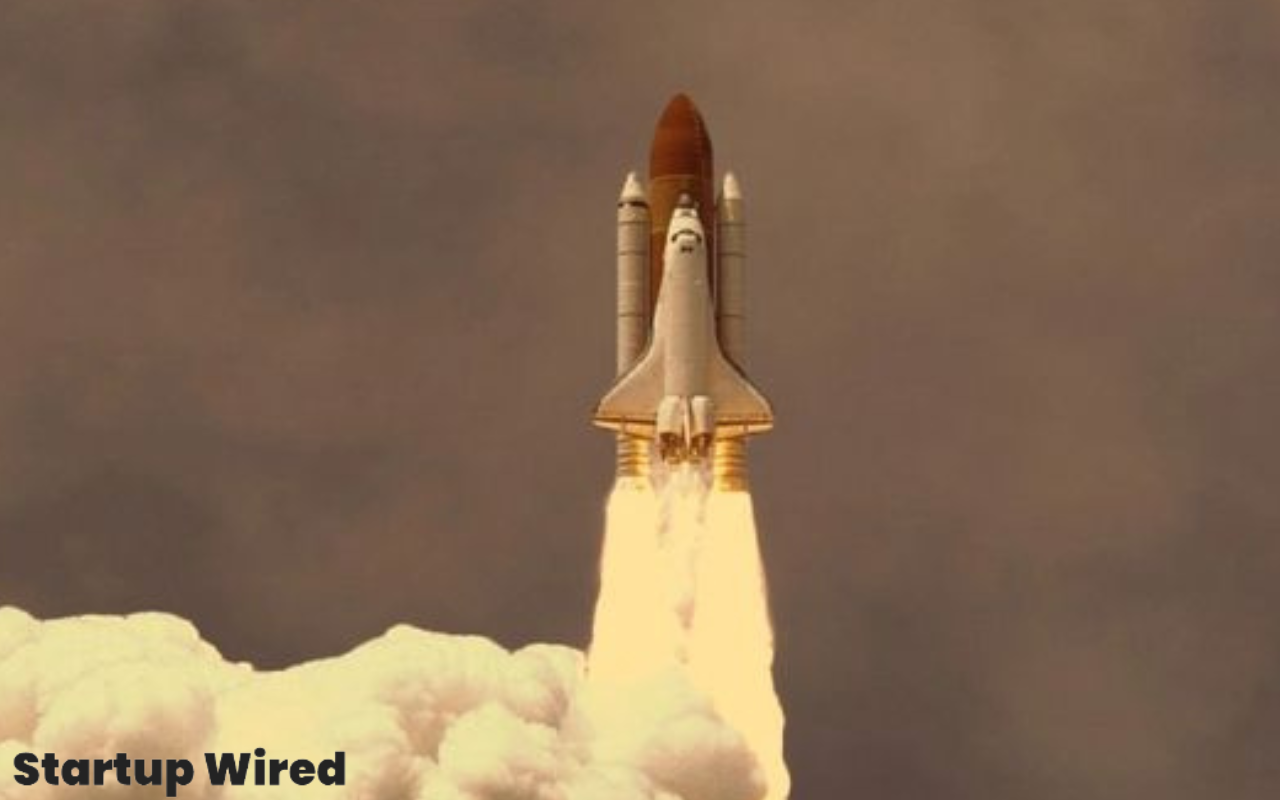
India stands on the edge of a defining moment in its space journey. Skyroot Aerospace has taken a decisive step toward launching Vikram-1, the country’s first privately developed orbital rocket. This mission signals far more than a single launch. It represents a structural shift in how India approaches space exploration, innovation, and commercialization.
Skyroot’s progress reflects years of engineering discipline, bold vision, and strategic execution. The company now prepares to move from testing to full-scale orbital capability, and that transition could reshape India’s role in the global space economy.
🔧 From Vision to Reality: Building Vikram-1
Skyroot Aerospace began its journey with a clear mission: democratize access to space. The team focused on developing cost-effective, reliable launch vehicles for small satellites. That vision materialized through the creation of Vikram-1, a rocket designed to carry payloads into low Earth orbit with precision and efficiency.
Engineers at Skyroot designed Vikram-1 as a three-stage launch vehicle powered by solid propulsion. The company emphasized modular design, rapid manufacturing, and reduced turnaround time. These choices allow Skyroot to compete in a market that demands speed and affordability.
The Vikram series honors Dr. Vikram Sarabhai, the father of India’s space program. Skyroot connects its private ambitions with a legacy of national scientific excellence, blending tradition with innovation.
🧪 Testing, Iteration, and Breakthroughs
Skyroot did not rush into orbital launches. The company built its capabilities step by step. In 2022, it successfully launched Vikram-S, a suborbital rocket that validated critical technologies. That mission gave engineers real-world data and confidence.
Following that milestone, Skyroot intensified testing across propulsion systems, avionics, and structural integrity. The Vikram-1 program benefited from rapid iteration cycles. Engineers refined designs based on test results, eliminating inefficiencies and strengthening reliability.
The company also embraced advanced manufacturing techniques such as 3D printing for engine components. This approach reduced production time and allowed faster innovation. Each improvement brought Vikram-1 closer to operational readiness.
🛰️ Why Vikram-1 Matters for India
India’s space sector has long relied on government-led missions through ISRO. That model delivered impressive achievements, including lunar and Mars missions. However, global trends now favor private participation.
Vikram-1 introduces a new dynamic. It enables private companies to offer launch services, attract international clients, and scale operations independently. This shift expands India’s space economy beyond government programs.
Small satellite demand continues to surge worldwide. Startups, research institutions, and commercial enterprises need affordable launch options. Vikram-1 positions India as a competitive player in this fast-growing segment.
Skyroot’s launch also inspires a new generation of entrepreneurs. It shows that deep-tech startups can tackle complex challenges and succeed on a global stage.
🌍 Competing in the Global Space Market
The global space launch market has become intensely competitive. Companies like SpaceX, Rocket Lab, and others dominate headlines. Skyroot enters this arena with a distinct advantage: cost efficiency combined with engineering excellence.
India’s lower operational costs allow Skyroot to offer competitive pricing. At the same time, the company maintains high technical standards. This combination attracts international customers who seek reliable yet affordable launch solutions.
Skyroot also benefits from regulatory support. India has introduced reforms that encourage private space ventures. These policies simplify licensing, promote investment, and foster innovation.
Vikram-1 could serve as a gateway for India to capture a larger share of the global launch market. Success in early missions will build credibility and attract long-term contracts.
💰 Investment, Confidence, and Growth
Skyroot Aerospace has drawn strong investor interest. Venture capital firms and strategic investors have backed the company’s vision. This financial support enables rapid development and expansion.
Investors see space technology as a high-growth sector. Satellite communication, Earth observation, and data analytics all depend on reliable launch infrastructure. Skyroot’s progress aligns with these trends.
The upcoming Vikram-1 launch will likely influence future funding. A successful mission could unlock larger investments, partnerships, and international collaborations.
🧭 Challenges on the Path Ahead
Despite its progress, Skyroot faces significant challenges. Rocket launches demand extreme precision. Even minor errors can lead to mission failure. The company must maintain rigorous quality control at every stage.
Competition also remains fierce. Established players have extensive experience and resources. Skyroot must differentiate itself through innovation, pricing, and reliability.
Regulatory compliance adds another layer of complexity. Space missions require coordination with multiple agencies, both domestic and international. Skyroot must navigate these frameworks efficiently.
However, the company has shown resilience and adaptability. Its iterative approach and strong leadership provide a solid foundation for overcoming these challenges.
🚀 The Upcoming Launch: A Defining Moment
Skyroot has set its sights on a June 2026 launch window for Vikram-1. This mission will mark India’s first private orbital launch attempt. The stakes are high, but so are the potential rewards.
A successful launch will validate years of effort. It will demonstrate that private Indian companies can design, build, and operate orbital-class rockets. That achievement will resonate across industries.
The mission will also attract global attention. International clients, investors, and policymakers will closely watch the outcome. Vikram-1 could redefine perceptions of India’s capabilities in commercial spaceflight.
🌌 A New Chapter for Indian Innovation
Skyroot Aerospace represents a broader transformation in India’s innovation ecosystem. Startups now tackle complex, capital-intensive sectors such as space, defense, and deep tech.
Vikram-1 stands as a symbol of this evolution. It reflects ambition, technical skill, and a willingness to challenge traditional boundaries. The mission could inspire more startups to enter high-impact industries.
India’s space journey no longer belongs solely to government agencies. Private players now contribute actively, driving competition and accelerating progress.
🔮 Looking Ahead
The Vikram-1 launch will not mark an endpoint. It will open the door to future missions, advanced rockets, and expanded capabilities. Skyroot plans to develop a full suite of launch vehicles, each targeting different payload classes.
The company also aims to support satellite constellations, interplanetary missions, and emerging space applications. Its roadmap extends far beyond a single launch.
India’s role in the global space economy will continue to grow. With companies like Skyroot leading the charge, the country can position itself as a hub for innovation and commercial space activity.
✨ Conclusion
Skyroot Aerospace has moved India closer to a historic milestone. Vikram-1 embodies years of dedication, innovation, and strategic vision. The upcoming launch will test not only a rocket but also the potential of India’s private space sector.
If Vikram-1 succeeds, it will mark the beginning of a new era. India will step confidently into the global commercial space race, driven by startups that dare to aim for the stars.
Also Read – The Rise of SaaS Alternatives