
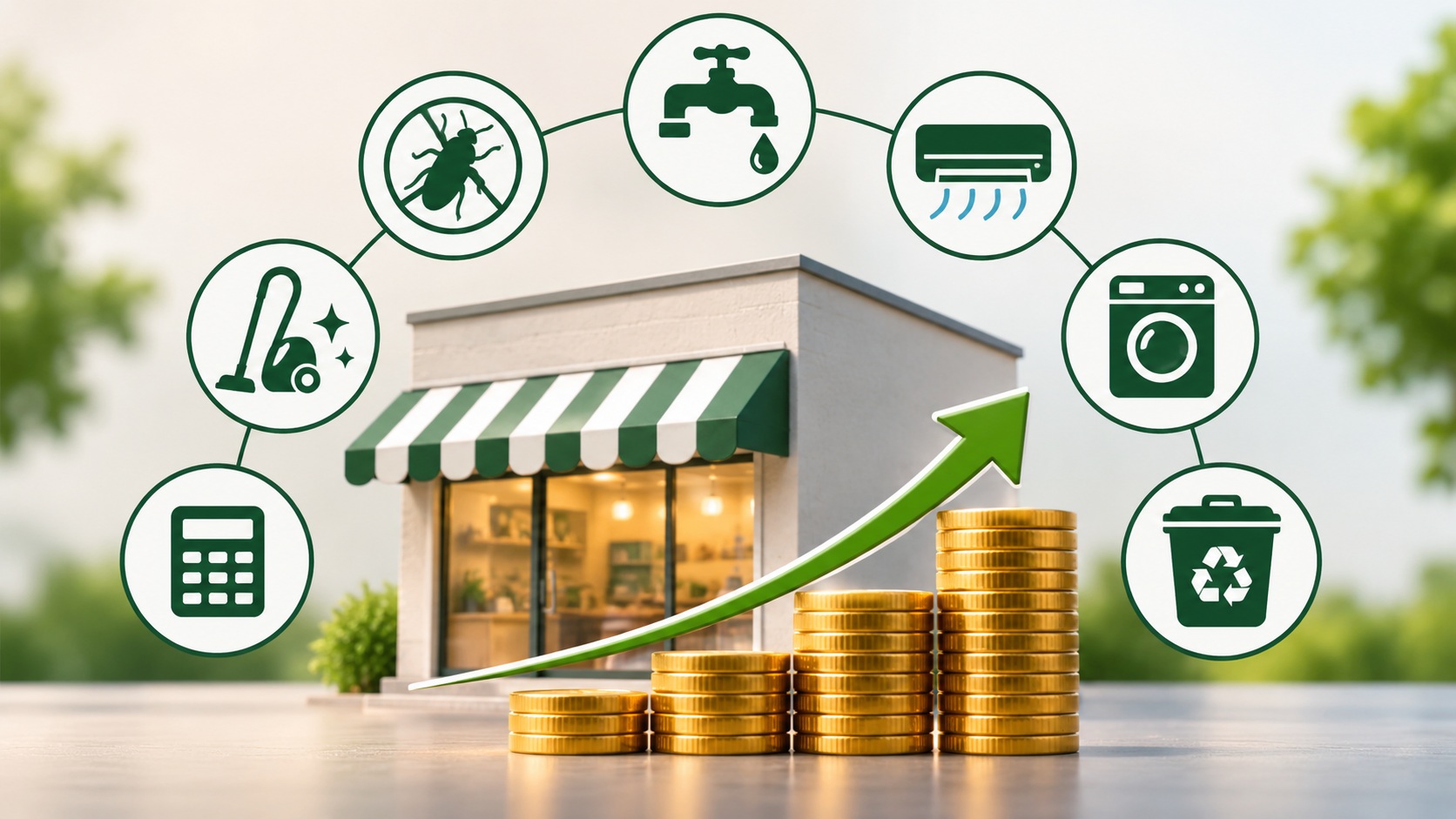
Not every successful business needs a new idea, a popular brand or a lot of public attention. Some of the most profitable companies work in fields that most people rarely discuss. These businesses may not look exciting, but they solve everyday problems that people and companies cannot avoid. Pest control, waste removal, plumbing, commercial cleaning, laundry services and bookkeeping are a few good examples.
These businesses have one major advantage: people need their services on a regular basis. A home needs clean water and proper plumbing. Offices need clean spaces. Restaurants need waste removal. Families need clean clothes. Companies need proper accounts and tax records. This steady demand can help these firms earn regular income without the need for a trendy product or a large advertising budget.
The idea behind boring businesses with big margins is simple. A business does not need to look exciting to make good money. It needs loyal customers, control over costs and a service that people value.
Why Boring Businesses Can Be So Profitable
Many traditional service businesses solve problems that customers cannot ignore for long. A broken air conditioner, a pest problem or a blocked drain needs quick attention. Customers are often ready to pay for a reliable solution because delays can create larger problems.
Another benefit is repeat demand. A pest control company can offer yearly service plans. An office cleaning firm can sign monthly contracts. An accounting practice can charge clients for regular tax and financial services. Such deals can create a steady source of income and reduce the need to find new customers every month.
These companies may also face less pressure from changing trends. A new fashion brand may lose customers when tastes change, but people will still need plumbing, cleaning, waste removal and repair services. This does not mean that these firms have no risks. Labour costs, local competition and equipment expenses can affect profits. However, a strong customer base and a useful service can create a solid business.
The Market for Traditional Businesses
Small business data from BizBuySell shows that several traditional sectors have attractive owner-profit margins. Its industry comparison reports a median owner-profit margin of 56.3% for vending machine businesses, 49.5% for accounting and tax practices, and 46.9% for pest control companies.
Funeral homes have a reported margin of 41.4%, while commercial laundry has 38%. Dry cleaning has 37.6%, car washes have 37.3%, and laundromats have 36.5%. Waste management and recycling report 30.6%, while property management has 30.4%.
These figures show why traditional services deserve more attention. However, they are marketplace-based comparisons, not guaranteed returns. Actual profits depend on the size of a company, staff costs, rent, debt, owner salary and other expenses. A buyer must check the real accounts before any purchase.
Pest Control: A Business with Repeat Customers
Pest control is one of the most attractive traditional service businesses. Homes, offices, hotels, restaurants and warehouses all need protection from insects and other pests. A single visit may solve a short-term problem, but regular service plans can create a longer relationship with the customer.
A pest control company can offer monthly, quarterly or yearly contracts. These plans give customers regular protection and help the company earn repeat revenue. The business can also serve more clients as its team and service routes grow.
The reported median owner-profit margin for pest control is 46.9%. Its reported acquisition multiple is 3.0 to 5.5 times Seller’s Discretionary Earnings, or SDE. This makes it an interesting sector for both new owners and business buyers. Still, staff training, safety rules, licences and customer trust are important parts of the model.
HVAC and Plumbing: Essential Services with Strong Demand
Heating, ventilation and air conditioning, also known as HVAC, and plumbing are two services that homes and companies need throughout the year. Air conditioners need repair and care. Water pipes, drains and heating systems also need regular checks.
A company can earn money from emergency repairs, new equipment, part sales and annual maintenance plans. These plans are especially useful because they give customers a clear service schedule and help the company create repeat revenue.
The reported acquisition multiple for HVAC businesses is 2.8 to 5.0 times SDE. A company with loyal customers, trained staff and clear service records may attract more interest from buyers. However, skilled workers are essential. If a business depends on one expert or its owner, it may face problems when that person leaves.
Commercial Cleaning: A Simple Service with Regular Contracts
Offices, hospitals, schools, hotels and factories all need clean spaces. Many of these organisations prefer to hire an outside company instead of keeping their own cleaning staff. This creates an opportunity for commercial cleaning firms.
A small company can start with a few clients and a limited team. It can then add more contracts as its reputation grows. Special services such as floor care, window cleaning and deep cleaning may also help it earn more from each client.
The reported acquisition multiple for commercial cleaning businesses is 1.6 to 2.7 times SDE. This makes the sector worth a look for buyers who want a service business with a relatively simple setup. Staff quality, contract terms and customer retention remain key factors for success.
Laundromats and Commercial Laundry
Laundry is a basic need for homes, hotels, gyms, hospitals and other businesses. A laundromat can earn money from customers who use its machines, while a commercial laundry firm can sign contracts with hotels and other large clients.
The BizBuySell comparison reports a 36.5% median owner-profit margin for laundromats and 38% for commercial laundry. The reported acquisition multiple for laundromats is 2.0 to 4.0 times SDE.
A good location, reliable machines and fair prices can help a laundromat build a regular customer base. Extra services such as wash-and-fold, pickup and delivery can also create new income. The main costs include rent, water, power, machine repairs and staff. Owners must check these expenses before they judge the real profit.
Waste Management and Recycling
Waste removal may not seem like an attractive business, but homes, shops, offices, factories and local bodies all need this service. Waste collection firms can earn income through regular contracts and set collection routes.
Some firms also earn money from recycling, material recovery and special waste services. These areas can create new sources of income, but they may need more equipment, trained staff and legal approval.
The reported median owner-profit margin for waste management and recycling is 30.6%. The sector can offer stable demand, but trucks, fuel, staff, waste rules and equipment costs can be high. It may suit owners with enough capital and a clear plan for local operations.
Vending Machines: Small Units, Many Sales
Vending machines offer another way to build a traditional business. They sell snacks, drinks and other daily-use products at offices, schools, hospitals and public places. Each machine may earn a small amount, but a network of well-placed machines can create a larger source of income.
BizBuySell reports a median owner-profit margin of 56.3% for vending machine businesses. This is the highest figure among the sectors in its comparison. However, this figure does not mean that every machine owner will earn the same return.
The location of each machine matters a great deal. Owners must also manage stock, repairs, transport and product costs. Cashless payment systems and remote stock checks can make daily work easier. A good route can also reduce travel costs and save time.
Accounting and Bookkeeping: A Service Every Company Needs
Every business needs proper financial records. Companies must track income, expenses, payroll, taxes and other key details. This creates steady demand for accountants and bookkeepers.
Accounting and tax practices have a reported median owner-profit margin of 49.5%, according to BizBuySell. Many firms also earn repeat income through monthly service plans and yearly tax work.
New software and artificial intelligence can help with routine tasks such as invoice checks, data entry and basic reports. However, clients still need expert advice, accurate records and trust. Firms that use technology well may serve more clients without a similar rise in staff costs.
How Technology Can Improve Old Business Models
Artificial intelligence is not only useful for large technology companies. Traditional service firms can also use it to reduce costs and improve daily work.
A pest control firm can use route tools to plan better travel paths. An HVAC company can use digital records to track equipment and plan service visits. Cleaning firms can use software for staff schedules and quality checks. Accounting firms can use automated tools for invoice work and account records.
ServiceTitan’s 2026 Commercial Service Market Report surveyed 1,020 executives. It found that 62% of surveyed commercial contractors had tested or used AI. However, only 15% could show a clear and proven return on their AI investment.
The report also found that 46% of surveyed businesses ran most of their accounts through maintenance agreements. These agreements had the highest average gross margin among work types, at 51%. Also, 40% named better cash flow as a main goal. While 82% sent invoices within three days of job completion, 96% still waited at least two weeks for payment.
These figures show that technology alone cannot solve every business problem. Good payment terms, clear records and regular customer contracts matter just as much.
The Rise of Business Acquisitions
Another major opportunity is the purchase of small, established service companies. Many local markets have several small firms that serve the same type of customer. A larger owner can buy one company, improve its systems and later purchase another firm in the same area.
This strategy is known as a buy-and-build model. The new owner can bring billing, marketing, staff training and customer support under one system. Better route plans and shared costs may also improve profits.
The acquisition multiple depends on the type of business and its financial health. Commercial cleaning has a reported range of 1.6 to 2.7 times SDE. Pest control has 3.0 to 5.5 times SDE, while laundromats have 2.0 to 4.0 times SDE. HVAC has a reported range of 2.8 to 5.0 times SDE.
These are reference ranges, not fixed market prices. A buyer must check customer records, staff contracts, equipment, debt and real cash flow before a deal.
Self-Storage: A Different Kind of Boring Business
Self-storage offers another attractive model. People and companies rent private units to store furniture, stock, tools and other goods. The owner earns rent from each unit and may not need a large team for daily operations.
PwC’s 2026 US outlook reports that new self-storage supply is set to grow by 2.2% in 2026, around 25% below its 2025 volume. National vacancy is expected to move towards 10%, while average asking rent is about $1.18 per square foot.
The sector also faces challenges. Large operators have more resources, and new facilities can create price pressure in some areas. Property costs, loan rates, location and local demand all affect returns. It is an asset-heavy business, so it needs more capital than many service firms.
Risks That Owners Must Understand
A boring business is not a risk-free business. High profit figures can hide weak systems or poor cash flow. A cleaning firm may lose a major office contract. An HVAC company may struggle if its skilled workers leave. A laundromat may face high repair and power bills.
Customer concentration is another risk. A company that gets most of its income from one client can face a serious problem if that client leaves. Owner dependence also matters. If the founder handles every sale and customer issue, a new owner may find it hard to run the company.
Before a purchase, buyers must review real income, costs, debt, customer retention, staff records and future equipment needs. They should also check licences and local rules. The reported owner-profit margin should never be treated as a promise of future income.
Conclusion: Why Boring Businesses Deserve Attention
The best business opportunity is not always the one with the most attention. Pest control, HVAC, cleaning, laundry, waste removal, vending and accounting all solve basic problems. Their services have repeat demand, and many offer a clear path to growth through contracts, better systems and careful expansion.
The data from BizBuySell shows that some of these sectors have attractive owner-profit margins. ServiceTitan’s 2026 report also shows the value of maintenance agreements and better business systems. At the same time, the rise of AI and business acquisitions may create new ways to improve old business models.
The real goal is not to find a business with a high margin on paper. It is to find one with loyal customers, controlled costs, reliable staff and healthy cash flow. A simple business with a strong base can often offer a better long-term opportunity than a trendy idea with uncertain demand.
Also Read – Industries AI Will Quietly Kill: The 2026 Intelligence Report