
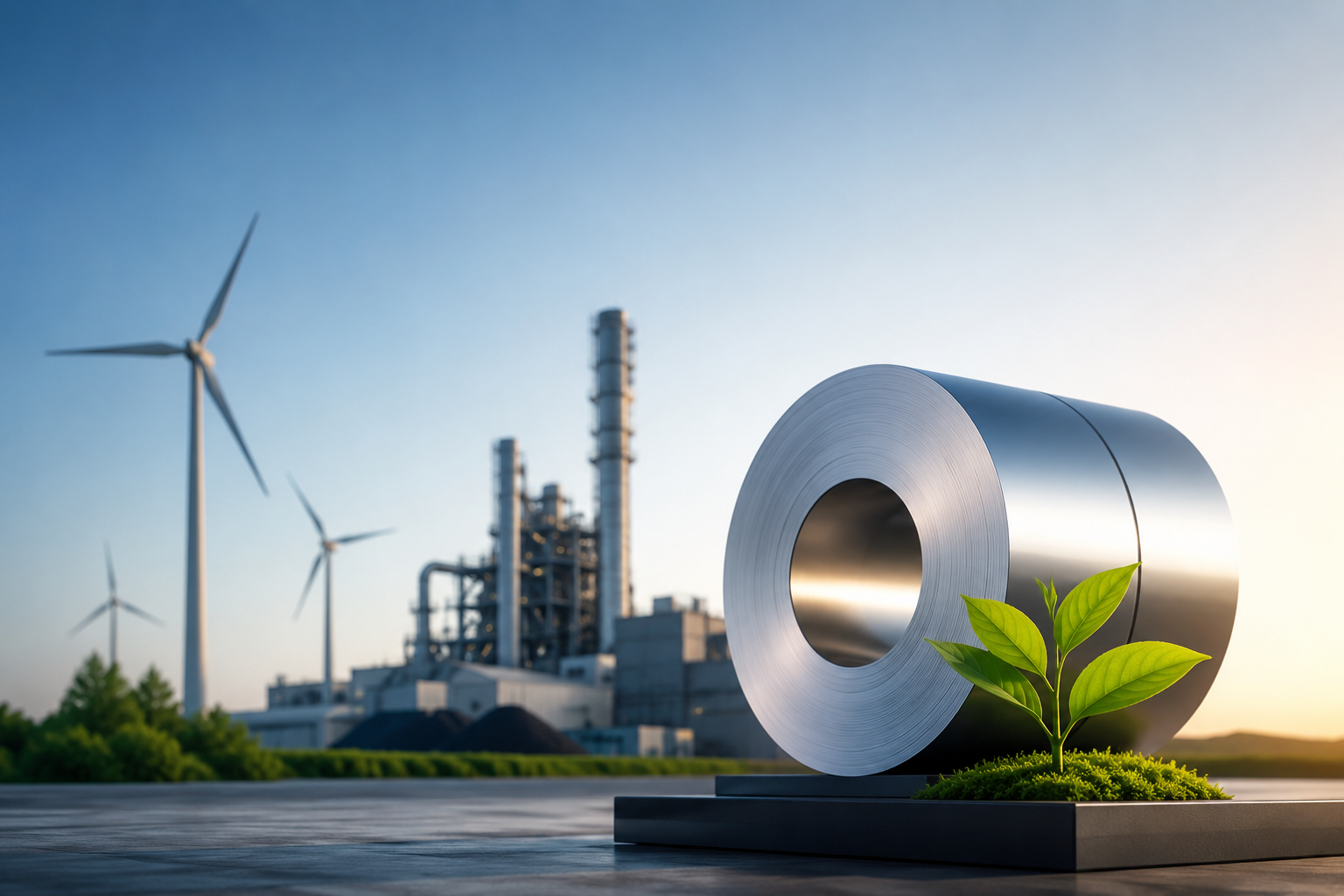
The global steel industry may soon enter a new era as Swedish startup Stegra has successfully completed a massive €1.4 billion funding round, equal to around $1.6 billion, to move forward with its ambitious green steel project. The company plans to build one of the world’s first large-scale steel plants that can produce steel with very low carbon emissions. This announcement has quickly become one of the biggest climate technology stories of the week because it shows that investors still have confidence in clean industrial projects, even at a time when many similar companies face serious challenges.
Stegra, based in Sweden, has attracted global attention because of its mission to change how steel is made. Steel production is one of the biggest sources of pollution in the world, and industries across the globe have searched for cleaner alternatives for years. With this fresh funding now secured, Stegra moves closer to proving that cleaner steel production can become commercially possible on a very large scale.
A Huge Financial Milestone for Stegra
Stegra announced that it has officially completed its €1.4 billion financing round, which converts to roughly $1.6 billion. This funding will help the company continue construction of its main steel production facility in Boden, a town in northern Sweden.
The financing round received support from a group of major global investors. One of the key backers is Wallenberg Investments, one of Sweden’s most influential investment groups. The company also gained support from Temasek Holdings, the Singapore-based investment firm that often backs large future-focused businesses.
Other existing investors also continued their support. These include Hy24, Just Climate, and Altor Equity Partners. Their continued trust sends a strong message that long-term investors still believe green industrial technology has real future value.
This funding is extremely important because projects of this size require enormous amounts of capital. Building steel factories, energy systems, and large industrial plants costs billions, and many climate startups struggle to raise enough money to complete these projects.
Why Steel Production Needs Change
Steel is one of the most important materials in modern life. It helps build cars, buildings, bridges, machines, ships, railways, and thousands of products people use every day. But steel production creates a major environmental problem.
At present, traditional steel manufacturing depends heavily on coal. Large blast furnaces burn coal at very high temperatures during production. This process releases massive amounts of carbon dioxide into the atmosphere.
Experts estimate that steel production causes around 7 to 9 percent of total global carbon dioxide emissions. That makes steel one of the world’s biggest industrial polluters.
Governments and industries now face growing pressure to cut emissions quickly. Because of this, companies like Stegra have entered the spotlight as possible solutions to one of the world’s biggest climate challenges.
How Stegra Plans to Make Green Steel
Stegra wants to completely change the steel production process. Instead of using coal during production, the company plans to use green hydrogen.
Green hydrogen is hydrogen gas produced through a process powered by renewable electricity, such as wind or solar energy. Since renewable energy powers the process, it avoids the large carbon emissions linked to fossil fuels.
In Stegra’s production system, green hydrogen replaces coal during the process that removes oxygen from iron ore. This method allows steel production with dramatically lower emissions.
The company says this technology can reduce carbon emissions by up to 95 percent compared with traditional steel production methods.
If successful, this approach could become one of the biggest breakthroughs in industrial climate technology.
Why Investors Still Believe in the Project
Stegra’s successful funding round is especially important because many green industrial companies have struggled in recent years.
The clean technology sector has faced several major obstacles. Construction costs remain very high. Building renewable energy systems and industrial plants demands huge investment. Inflation has also increased equipment and labor costs worldwide.
Another major challenge comes from green hydrogen itself. Although experts see hydrogen as an important clean fuel for the future, large-scale hydrogen production remains expensive. Infrastructure development also takes time.
Because of these difficulties, many investors have become more cautious when supporting climate technology startups.
One recent example is Northvolt, another Swedish company that faced serious problems despite strong early support. Northvolt had aimed to become one of Europe’s biggest battery manufacturers, but delays and financial problems created major uncertainty.
Against this difficult background, Stegra’s successful funding round stands out as a strong vote of confidence.
More Than Just a Startup Story
This development is not simply about one company raising money. The success or failure of Stegra could influence the future of many heavy industries around the world.
Industries such as steel, cement, chemicals, and manufacturing create some of the largest carbon emissions globally. Experts often call these sectors “hard to reduce” industries because cleaner alternatives remain difficult and expensive.
If Stegra succeeds, it could prove that large industrial businesses can move away from fossil fuels without stopping production growth.
If the company fails, critics may argue that green hydrogen-based heavy industry remains too expensive and unrealistic for near-term commercial use.
That is why investors, governments, and climate experts now watch the company very closely.
A Major Signal for Climate Technology
The biggest message behind this announcement may be investor confidence.
Global climate startup funding has slowed in recent years as investors focus more carefully on financial risks. Many venture capital firms have reduced support for expensive industrial technology projects.
Yet Stegra has managed to secure $1.6 billion, which shows that large institutional investors still believe certain climate technologies deserve long-term support.
This funding round suggests that investors continue to see strong future potential in industrial decarbonization, even during difficult economic conditions.
For Europe especially, this project carries huge importance because the region wants to lead the global transition toward cleaner heavy industries.
Stegra now carries major expectations. If the company can successfully build and operate its plant in Sweden, it may become a model for the future of steel production worldwide.
The company’s progress over the next few years may help answer one of the biggest climate questions facing modern industry: can the world produce essential materials like steel without heavy dependence on fossil fuels?
For now, Stegra’s successful $1.6 billion funding round marks an important step toward finding that answer.
Also Read – Toshiba Launches Global Program for Startup Growth