
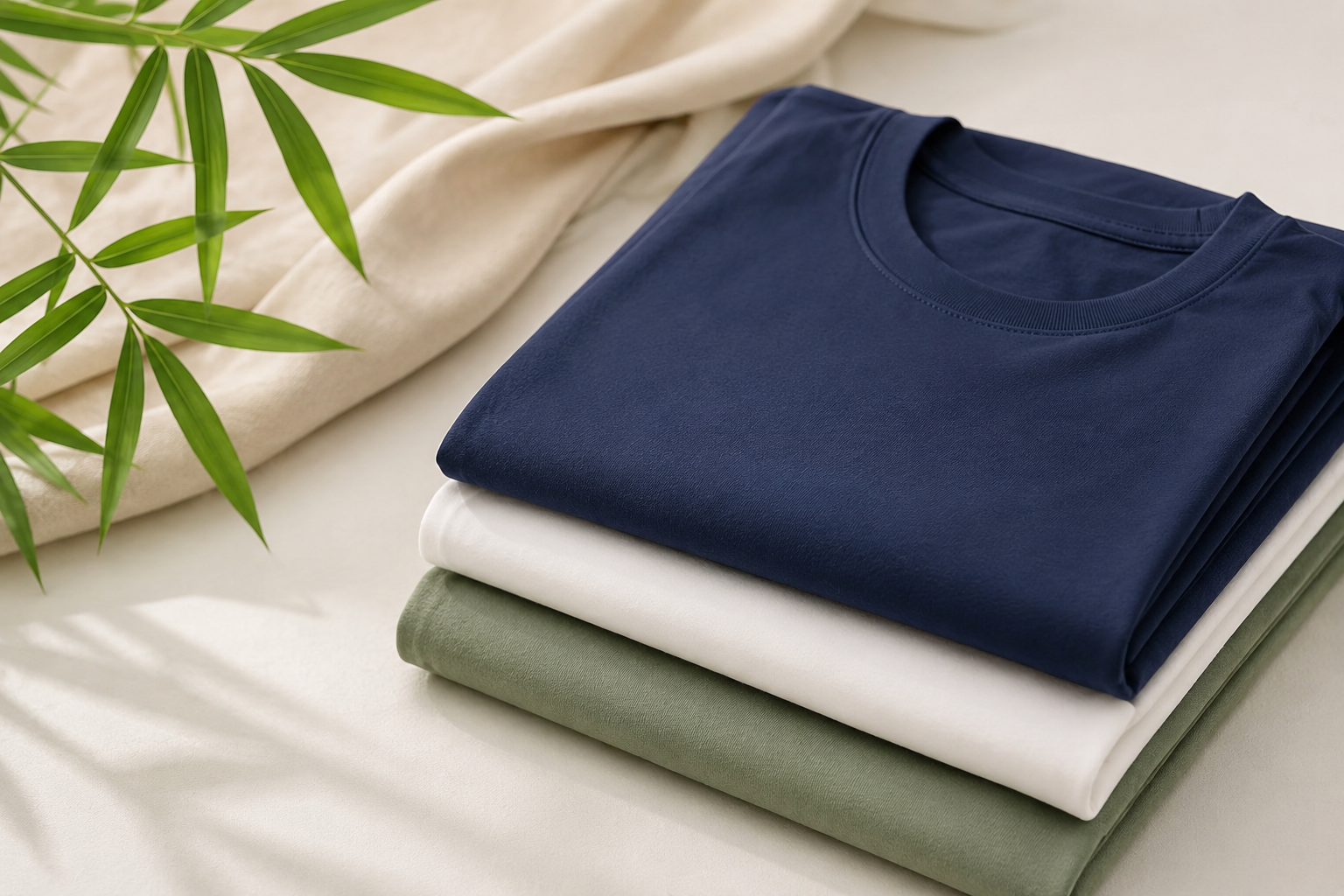
Mysuru-based apparel brand Wellbi has added Zerodha to its corporate client list after the company placed an order for 1,150 T-shirts for its full team. The deal marks another step for Wellbi as it builds a name in the corporate apparel space.
Wellbi has a clear idea behind its corporate range. It believes a company T-shirt should first work as good clothing. The brand does not want the logo or company name to be the main reason an employee wears it. Instead, the T-shirt should feel good, fit well and stay useful long after a company event.
The Zerodha order fits well with this idea. It also adds a well-known name from the financial services sector to Wellbi’s client base.
A Recommendation From an Existing Customer
Karthik Rangappa, Chief of Education at Zerodha, already knew Wellbi before the company order. He was a Wellbi customer and later recommended the brand for Zerodha’s team.
Rangappa said a good T-shirt has three basic needs. It should hold its colour, keep its shape after a wash and offer a good fit. He also praised Wellbi for its breathability and comfort.
His view is important for the brand because the Zerodha deal did not start only with a sales pitch. It came from a customer who had used the product before. That kind of trust can help an apparel company build stronger corporate ties.
For Wellbi, the order also shows how a consumer product can move into the corporate market without losing its core purpose. Employees may receive a T-shirt from their employer, but the real test comes later. If they choose to wear it on their own, the product has done more than serve as company merchandise.
A Wider Corporate Client Base
Zerodha is the latest name on Wellbi’s list of corporate apparel clients. The company has worked with firms across technology, financial services, hospitality and other sectors.
Its client roster includes Meta, Adobe, Cisco, Amazon and JW Marriott, among others. Such names give Wellbi a wider presence in a market where large firms often need apparel for staff, events, internal teams and brand activities.
Corporate apparel can often focus too much on logos and company colours. Wellbi takes a different route. Its focus starts with the cloth itself and the way the garment feels during daily use.
This gives the brand a simple pitch. A company can give an employee a T-shirt for an event, but the garment should have value after that event ends. It should remain useful at work, during travel, at home or on a weekend.
The Fabric-First Idea
Wellbi has built its business around fabric. The Mysuru brand has developed three proprietary bamboo-cotton blends for different uses.
The blends aim to offer qualities that people can notice when they wear the clothes. These include softness, breathability, moisture management and comfort through the day.
The focus is not only on how a garment looks when it is new. Wellbi also pays attention to how it feels after repeated use and washing. Colour retention, shape and fit are part of the product experience.
This fabric-first idea helps Wellbi stand apart from brands that may treat corporate apparel as a simple bulk order business. For Wellbi, the product itself remains at the centre.
That approach can also create value for both sides. Companies get apparel that employees may actually use, while employees receive clothes that do not feel like one-time promotional items.
How Wellbi Started in Mysuru
Wellbi began in Mysuru in 2021. Its founder and CEO, Supreeth Kashyap, first had an interest in rural development. That path led him to work with handlooms and rural artisans.
As the team spent more time with textiles and customers, its focus changed. The idea was no longer just to create another apparel label. Instead, the company chose to focus on the fabric and on the comfort people expect from clothes they wear often.
That shift helped shape Wellbi’s current model. Rather than place fashion at the centre, the brand focuses on the basic qualities that can make a garment a regular part of a person’s wardrobe.
Kashyap says trust has always started with the product. In his view, a company may give an employee a T-shirt once, but the goal is to make a garment that the person chooses to wear again.
That could mean a day at work, a trip, time at home or a relaxed weekend. For Wellbi, that choice is a stronger sign of product quality than a one-time corporate order.
More Than T-Shirts
Wellbi has also moved beyond its original T-shirt focus. Its range now includes polos, performance wear, innerwear and women’s wear.
This wider range gives the brand more room to serve both companies and individual buyers. Corporate clients may need several types of apparel for different teams or uses, while consumers can explore more products from the same brand.
The move also shows how Wellbi wants to build a broader apparel business rather than depend on one product category.
Even as the range expands, the company continues to place fabric and comfort at the centre of its offer. The same product idea can apply across T-shirts, polos, performance clothes and other categories.
Direct Sales Add Another Growth Channel
Wellbi also sells directly to consumers through its own website, wellbi.in, as well as through marketplaces such as Amazon and Myntra.
Across these channels, the company has crossed ₹1 crore in monthly revenue. This gives Wellbi two useful paths for growth. Corporate orders can bring large volumes and new brand exposure, while direct sales can help the company build a closer relationship with individual buyers.
The two sides can also support each other. A person who knows the brand as a consumer may recommend it at work. That is what happened with Zerodha, where an existing Wellbi customer helped introduce the brand to a larger corporate audience.
What the Zerodha Deal Means for Wellbi
The 1,150-T-shirt Zerodha order is more than a large apparel sale for Wellbi. It supports the main idea that has shaped the company since its start in 2021.
Wellbi wants people to choose its clothes because they are comfortable, practical and easy to wear. The corporate logo should be an added part of the product, not its main value.
The Zerodha deal also gives the brand another example of this model at work. A customer first used the product, trusted its quality and then recommended it for a company-wide order.
For a young apparel brand, that kind of path can be valuable. It shows that a strong consumer product can create corporate demand without a separate identity for each market.
Building a Place in Everyday Wardrobes
Wellbi’s story is ultimately about a simple goal: make clothes that people want to wear often.
The company has built its identity around fabric, comfort and daily use. Its work with corporate clients now adds another layer to that story. A company T-shirt may begin as part of a team order, but Wellbi wants it to become a normal part of an employee’s wardrobe.
The Zerodha order, with 1,150 T-shirts, gives that idea a strong example. It adds a major client to Wellbi’s portfolio while also showing the value of a recommendation from a real customer.
For Wellbi, the most useful measure of success may not be the number of logos on its client list. It is whether people continue to pick its clothes when nobody asks them to. That is the standard the Mysuru brand has set for itself, and it remains at the heart of its fabric-first approach.
Also Read – Start a SaaS Business Without Writing Code