
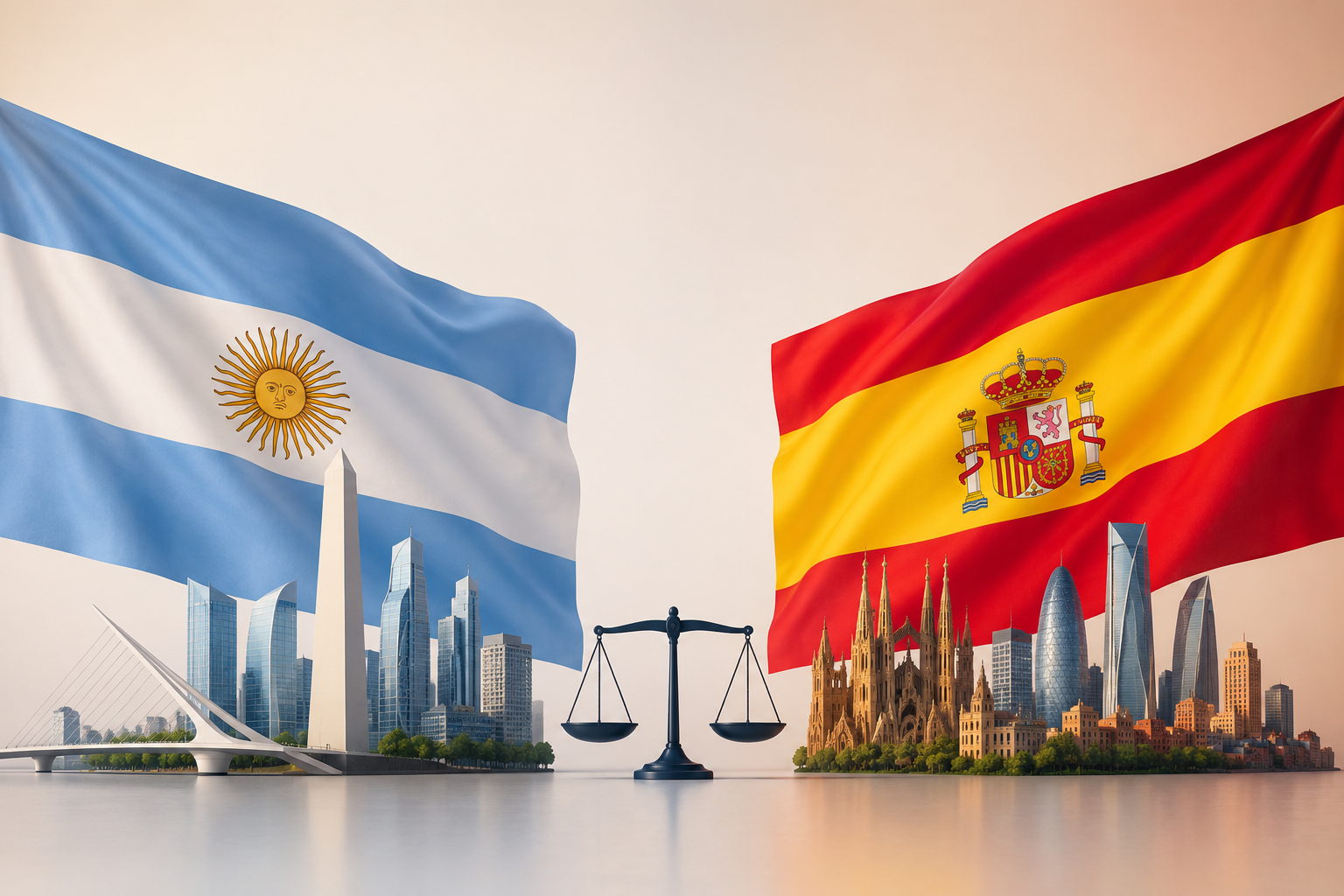
Argentina and Spain are two important countries in the Spanish-speaking world. Both have strong startup communities and many successful companies. They also have talented founders who build products for people across the world. Even though they share the same language, their startup ecosystems are very different.
Spain has become one of the biggest startup hubs in Europe. It has a large number of startups, strong government support, and easy access to investors from across the European Union. Argentina has a smaller ecosystem, but it has built a strong name because of its skilled founders, talented software developers, and many global success stories.
This comparison looks at both countries in detail. It explains their startup ecosystems, funding, unicorns, talent, business environment, and future opportunities.
Startup Ecosystem Size
Spain has one of the largest startup ecosystems in Europe. In 2025, the total value of its startup ecosystem reached around €125 billion. More than 5,000 startups operate across the country, along with over 400 scaleups. This shows that many young companies continue to grow into successful businesses.
Argentina has a much smaller ecosystem in terms of size. Around 700 startups are active across the country. Even with fewer companies, Argentina remains the strongest Spanish-speaking startup ecosystem in Latin America. It also holds a global startup ranking of around 46th, which proves its importance on the world stage.
When only ecosystem size matters, Spain has a clear advantage because it has more startups, more business activity, and a much larger market.
Venture Capital and Investment
Money plays an important role in every startup ecosystem. New companies need investment to build products, hire employees, and enter new markets.
Spain attracted around €3.1 billion in venture capital during 2025. This made it one of the country’s strongest years for startup investment. Investors continued to support companies from the early stage to later funding rounds. Strong investor confidence has helped many Spanish startups grow faster.
Argentina received around $418 million in venture capital during 2024. Although this number is much lower than Spain’s total, Argentina stood out because investment increased while many other Latin American countries faced slower funding. This shows that investors still believe in Argentine founders despite economic challenges.
Spain wins this comparison because it attracts much larger amounts of startup investment.
Unicorn Companies
A unicorn is a startup worth more than one billion dollars. Unicorns often show the strength of a country’s startup ecosystem.
Argentina has produced more than 12 unicorns. Famous companies include Mercado Libre, Globant, Ualá, Auth0, Mural, Tiendanube, Aleph, Satellogic, Bitfarms, and Vercel, whose founder comes from Argentina. These companies have built strong global reputations and inspire many new founders.
Spain has created more than 17 unicorns. Some of its best-known companies include Cabify, TravelPerk, Fever, Factorial, Wallbox, and Domestika. These businesses serve customers across Europe and many other regions.
Spain has more unicorns than Argentina, but Argentina has also built an impressive record for a country with a much smaller economy.
Talent and Skilled Workers
Both countries have talented people, but each offers different advantages.
Argentina has earned worldwide respect for its software developers and engineers. Many global technology companies hire remote workers from the country because they have strong technical skills and good English communication. Years of economic uncertainty have also helped founders learn how to build businesses with limited resources. This often creates very efficient companies.
However, Argentina also faces challenges. High inflation, currency changes, and the movement of skilled workers to other countries create problems for local businesses.
Spain offers a different advantage. Companies can hire workers from many European countries without major barriers. The country also attracts international professionals because of its lifestyle, modern cities, and good quality of life. Universities and research centers continue to supply skilled graduates for the technology sector.
Argentina offers lower costs for skilled workers, while Spain provides easier international hiring.
Startup Cities
Every startup ecosystem has cities where most businesses begin.
Buenos Aires stands as the center of Argentina’s startup ecosystem. Many successful companies started there. Córdoba, Rosario, and Mendoza also support growing startup communities.
Spain has several major startup hubs. Barcelona and Madrid lead the country with thousands of startups, international investors, and technology events. Valencia, Málaga, and Bilbao also continue to attract entrepreneurs and new businesses.
Spain benefits from several strong startup cities instead of just one major center.
Strong Business Sectors
Argentina has built a strong reputation in fintech, software as a service, artificial intelligence, agricultural technology, education technology, cryptocurrency, and developer tools. Companies from these sectors continue to expand into international markets.
Spain has become a leader in artificial intelligence, climate technology, healthcare technology, mobility, travel technology, fintech, deep technology, and quantum computing. Around one out of every five startups created after 2021 works in artificial intelligence, which shows how quickly this sector has grown.
Both countries perform well, but Spain has a wider range of fast-growing industries.
Government Support
Government policies often decide how easy it is for founders to build companies.
Argentina has introduced new economic reforms that aim to attract more foreign investment. These changes may create better opportunities for future startups. Still, the country has faced many years of unstable regulations and currency controls, which made business planning more difficult.
Spain offers much stronger government support. The Startup Law provides tax benefits for founders and investors. The Digital Nomad Visa welcomes international professionals, while ENISA financing and European Union grants help startups raise money for new projects.
Spain clearly offers a more stable and supportive business environment.
Business Costs
Cost is another major factor for startup founders.
Argentina offers very low operating costs when measured in US dollars. Salaries, office space, and daily business expenses remain much lower than in many developed countries. This makes Argentina an attractive choice for startups with limited budgets or companies that need remote engineering teams.
Spain costs more, but businesses receive modern infrastructure, better transport, reliable services, and direct access to the European market. Higher expenses often come with stronger business opportunities.
The better choice depends on the needs of each startup.
Global Reach
Argentina mainly focuses on Latin America and the United States. Many startups begin in the local market before they expand across the region.
Spain serves as a bridge between Europe, Latin America, North Africa, and the Middle East. This position gives startups easier access to customers, investors, and business partners from several regions.
Because of this international connection, Spain offers greater opportunities for global expansion.
Final Verdict
Both Argentina and Spain have impressive startup ecosystems, but they succeed in different ways.
Spain leads in overall ecosystem size, startup funding, unicorn numbers, government support, international business access, and market opportunities. It has become one of Europe’s strongest places for technology companies and continues to attract founders from around the world.
Argentina stands out because of its highly skilled engineers, lower business costs, and founders who know how to build successful companies during difficult economic conditions. The country has produced many famous technology companies that compete on the global stage.
For startups that want access to investors, European markets, and long-term business stability, Spain offers the stronger ecosystem. For companies that value affordable talent, efficient software development, and experienced founders, Argentina remains one of the best startup destinations in Latin America.
Also Read – Breakthrough Biotech Startups Revolutionizing Medicine in 2026