
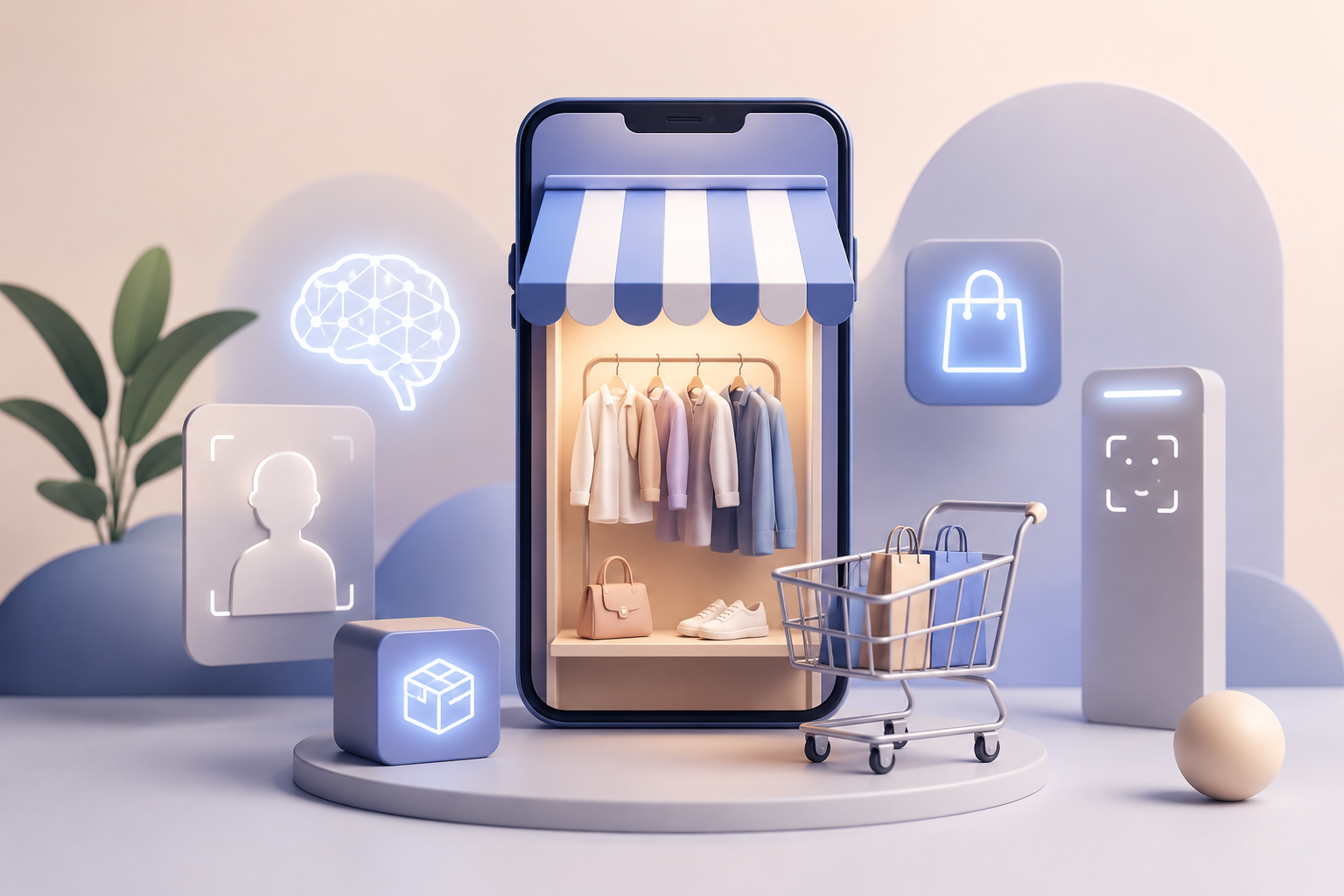
Shopping has changed a lot over the last few years. People now expect quick service, better product choices, and a smooth buying experience. They also want stores and online shops to understand what they like. This demand has created space for a new group of businesses called RetailTech startups.
RetailTech startups build new technology for retailers. Their goal is simple. They help stores sell products in a better way while making shopping easier for customers. Many of these startups use artificial intelligence, computer vision, and smart data tools to solve common shopping problems. They improve product discovery, speed up checkout, reduce returns, and help stores keep the right products on their shelves.
As more people shop online and through mobile apps, these startups continue to shape the future of retail.
AI Makes Shopping More Personal
Artificial intelligence has become one of the biggest drivers of change in retail. Instead of showing the same products to every customer, AI studies shopping habits and recommends products that match personal interests.
One startup that stands out in this area is Promi. The company uses AI to create smart discounts for different shoppers. Rather than offering the same sale to everyone, Promi decides which discount works best for each customer. This helps retailers increase sales while also protecting their profits.
Another company, Bluecore, also focuses on personal shopping experiences. Its AI platform studies customer behavior across websites, emails, and mobile apps. It then sends product suggestions that match each person’s interests. This makes shopping feel more useful because customers see products they are more likely to buy.
These AI tools save shoppers time and help businesses build stronger relationships with customers.
Virtual Try-On Builds Buyer Confidence
Many people hesitate before they buy clothes online because they cannot see how the items will look on them. This often leads to product returns, which cost both customers and retailers time and money.
SpreeAI solves this problem with AI-powered virtual try-on technology. The platform creates realistic images that show how clothes may look on each shopper. Customers can check different outfits before they place an order.
This technology gives buyers more confidence. They can make better choices without visiting a physical store. Retailers also benefit because fewer returns mean lower costs and happier customers.
As online fashion sales continue to grow, virtual try-on technology has become one of the most valuable tools in modern retail.
Smart Checkout Removes Long Waits
Nobody enjoys waiting in long checkout lines. RetailTech startups now use computer vision and AI to make this part of shopping much faster.
AiFi has developed cashierless store technology. Customers simply enter the store, pick up the products they want, and leave. Cameras and AI track the selected items and complete the payment automatically. There is no need to stand in line or scan products.
Another company, Mashgin, offers AI-powered self-checkout systems. Instead of scanning every barcode, customers place their items on the checkout counter. The system identifies each product almost instantly with computer vision.
These solutions reduce waiting time and create a smoother shopping experience. Retailers also benefit because fewer checkout delays improve customer satisfaction.
Better Inventory Means Better Shopping
Customers often feel disappointed when they cannot find the products they want. At the same time, stores lose money when they keep too much unsold stock.
Afresh helps retailers solve both problems. The company uses AI to predict customer demand and improve inventory planning. Stores know when they need more products and when they should order less.
This approach reduces food waste, especially in grocery stores. Fresh products stay available for customers while fewer items end up in the trash. Better inventory planning also helps retailers save money and improve profits.
Smart inventory systems have become an important part of modern retail because they create benefits for both businesses and shoppers.
AI Also Helps Behind the Scenes
Customers often notice only the shopping experience, but many important retail tasks happen behind the scenes. Inventory updates, supplier communication, and product placement all require time and effort.
Duvo.ai helps retailers automate many of these daily tasks. Its AI platform handles repetitive work that usually takes many hours. This allows retail teams to focus more on customer service and business growth.
Automation also reduces mistakes and improves daily operations. As retailers face rising costs and higher customer expectations, tools like these become more valuable every year.
Search Is Changing with AI
People no longer rely only on traditional search engines when they shop online. Many now ask AI assistants to compare products, suggest brands, or recommend the best option for their needs.
This shift has created a new opportunity for RetailTech startups.
Lantern helps online stores appear more often in AI-generated shopping recommendations. Instead of focusing only on search engine rankings, the company prepares product information so AI assistants can understand and recommend it more easily.
This new approach supports what many experts call agentic commerce, where AI assistants help people complete the entire shopping journey. An AI assistant may search for products, compare prices, answer questions, and even complete a purchase on behalf of the customer.
As AI becomes a larger part of everyday life, this trend may completely reshape online shopping.
New Retail Innovation Continues
RetailTech innovation continues to move at a fast pace. In 2026, Shiprocket introduced Fastrr, an AI-powered checkout platform that aims to make online purchases quicker and easier. The platform reduces friction during the payment process, which can help online stores increase completed orders.
The retail industry also continues to explore new standards that allow merchants to work more effectively with AI-powered shopping systems. These improvements make it easier for businesses to connect with customers across different AI assistants and digital platforms.
Researchers have also introduced new ideas such as ShopX, which studies how intelligent AI agents can support shoppers from product discovery to final purchase. This research shows how AI may become an active shopping partner instead of just a search tool.
These developments show that RetailTech continues to grow beyond simple online shopping features.
Why RetailTech Startups Matter
RetailTech startups solve many everyday shopping problems. They help customers discover better products through AI recommendations. They improve buying confidence with virtual try-on technology. They reduce waiting time with cashierless stores and smart self-checkout systems. They also improve inventory planning so products remain available when customers need them.
For retailers, these technologies increase efficiency, reduce waste, improve customer satisfaction, and support higher profits. For shoppers, they create faster, easier, and more personal shopping experiences.
The future of retail will likely depend even more on artificial intelligence, automation, and smart data. As these technologies continue to improve, RetailTech startups will play an even bigger role in how people discover, choose, and buy products around the world. Their innovations are not just changing stores. They are changing the entire shopping experience for millions of people every day.
Also Read – Why So Many Startups Shut Down Across the World in 2026