
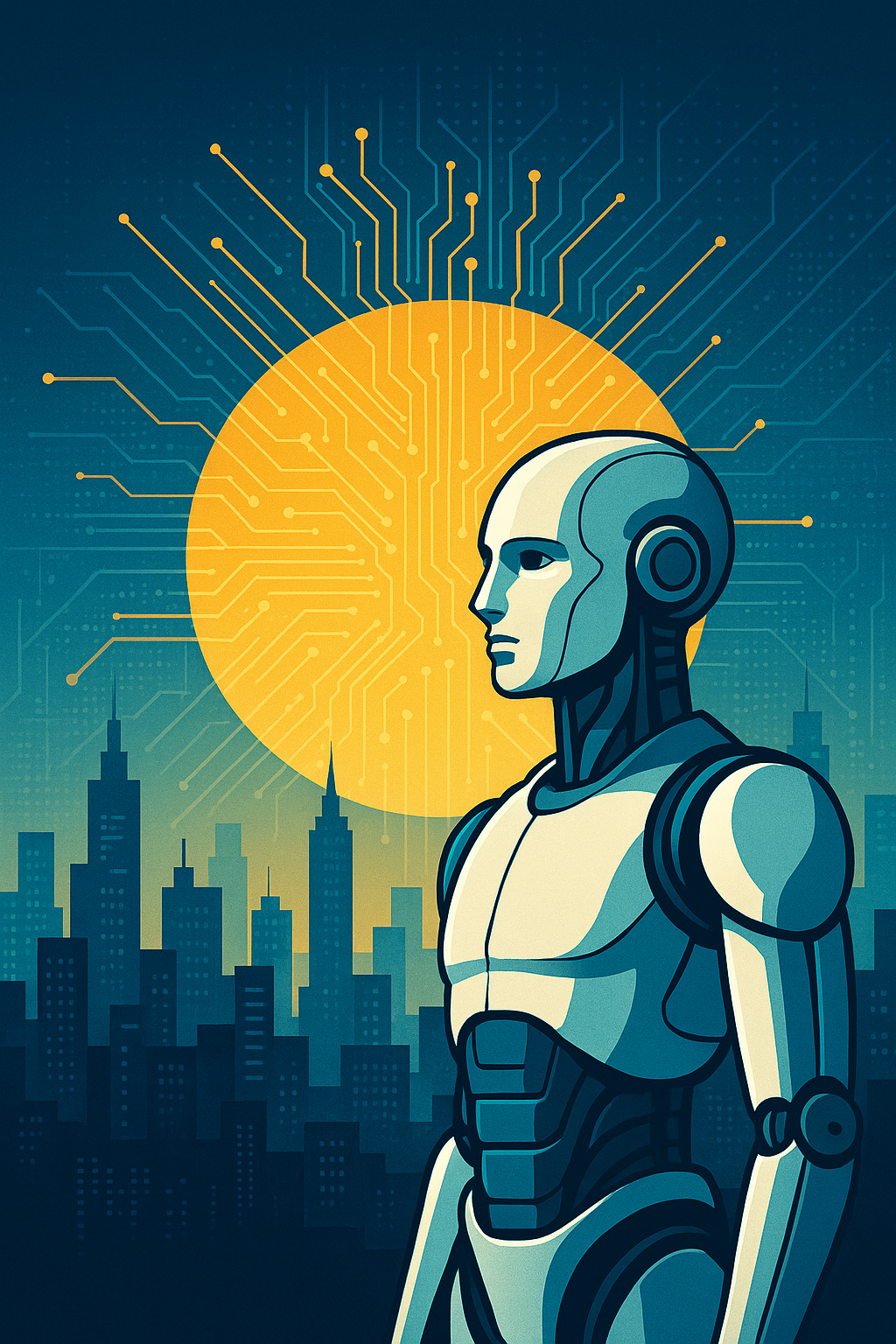
The digital economy is constantly evolving, but few trends have captured as much attention in recent years as the rise of virtual influencers. These computer-generated personalities, powered by artificial intelligence and advanced design technologies, are redefining how brands connect with audiences. What once seemed like a futuristic concept is now a fast-growing industry, with startups at the forefront of innovation.
Virtual influencer startups are not just a passing trend. They represent a deeper shift in how influence, identity, and content creation are understood in the digital age. As technology advances and consumer behaviors evolve, these digital personas are becoming an integral part of the marketing and entertainment landscape.
What Are Virtual Influencers?
Virtual influencers are digitally created characters that exist primarily on social media platforms. They are designed to look and behave like human influencers, complete with personalities, lifestyles, and storytelling elements. Some are hyper-realistic, while others embrace stylized or animated appearances.
Unlike traditional influencers, virtual influencers are not real people. They are controlled by teams of designers, marketers, and AI systems that manage their content, interactions, and brand collaborations. This gives creators complete control over every aspect of their identity, from visual aesthetics to tone of voice.
Initially, virtual influencers gained attention as experimental marketing tools. Today, they are becoming fully developed digital personalities with millions of followers, brand partnerships, and even their own narratives.
Market Growth and Latest Data
The growth of virtual influencer startups is backed by impressive market data. The global virtual influencer market was valued at approximately $6 billion in 2024. It is expected to grow rapidly, reaching nearly $16 billion in 2026. By the end of the decade, projections suggest the market could exceed $45 billion, with some estimates going beyond $100 billion by the early 2030s.
This represents a compound annual growth rate of over 40%, making it one of the fastest-growing segments in digital marketing and artificial intelligence.
Regionally, North America currently holds the largest market share, accounting for over 40% of global revenue. However, Asia-Pacific is emerging as the fastest-growing region due to its strong digital culture, high social media penetration, and openness to virtual identities.
India is also becoming a key market. The virtual influencer sector in India is projected to grow from around $167 million in 2024 to over $1.6 billion by 2030. This rapid growth reflects increasing adoption by brands, startups, and digital creators.
The broader creator economy, valued in the hundreds of billions of dollars, is further fueling this expansion. As brands allocate more budget to influencer marketing, virtual influencers are capturing an increasing share.
Why Startups Are Driving the Trend
Startups are playing a crucial role in the rise of virtual influencers because they are more agile and willing to experiment with new technologies and business models.
Full Control Over Content
One of the biggest advantages of virtual influencers is complete creative control. Startups can design every detail, ensuring consistency and alignment with brand values. Unlike human influencers, virtual personalities do not face personal controversies or unpredictable behavior.
Scalability
Virtual influencers can produce content continuously without the limitations of human schedules or physical constraints. AI tools allow startups to generate images, videos, and captions at scale, making content production more efficient.
Cost Efficiency
Although initial development costs can be high, virtual influencers can become more cost-effective over time. There are no travel expenses, contract negotiations, or ongoing talent fees, which reduces long-term costs.
Global Reach
Virtual influencers can operate across multiple markets simultaneously. They can be adapted to different languages, cultures, and campaigns, making them ideal for global brands.
Data-Driven Strategy
Startups can integrate analytics into every aspect of content creation. This allows them to optimize engagement, refine messaging, and improve performance based on real-time data.
Technology Powering Virtual Influencers
The rapid rise of virtual influencer startups is made possible by several technological advancements:
Generative AI
Generative AI enables the creation of realistic images, videos, and text. It allows virtual influencers to produce high-quality content quickly and efficiently.
Natural Language Processing
This technology helps virtual influencers communicate with audiences through captions, comments, and even conversations. It enhances interactivity and engagement.
3D Modeling and CGI
Advanced 3D design tools are used to create lifelike avatars and environments. These technologies make virtual influencers visually appealing and immersive.
Machine Learning
Machine learning algorithms analyze audience behavior and optimize content strategies. This helps startups improve engagement and reach.
As these technologies continue to evolve, virtual influencers are becoming more realistic, interactive, and autonomous.
Business Models in Virtual Influencer Startups
Virtual influencer startups are experimenting with various business models to monetize their creations:
Brand-Owned Influencers
Some companies create their own virtual influencers to represent their brand. This ensures complete control over messaging and identity.
Influencer-as-a-Service
Startups develop virtual influencers and offer them to brands for marketing campaigns. This model is similar to talent agencies but focuses on digital characters.
Content Studios
Many startups operate as creative studios, producing virtual influencers and storytelling content for brands and entertainment platforms.
Licensing and Intellectual Property
Successful virtual influencers can be monetized through licensing deals, merchandise, and collaborations. They become valuable intellectual property assets.
AI Companions
A newer trend involves interactive virtual influencers that users can engage with in real time. This combines social media with conversational AI.
Industry Adoption
Virtual influencers are particularly popular in industries that rely on visual storytelling and brand identity:
Fashion and Beauty
This is the largest segment, as virtual influencers can showcase products in highly controlled and visually appealing ways.
Gaming and Entertainment
Virtual characters fit naturally into gaming and digital entertainment environments, making them highly relevant.
Technology
Tech companies use virtual influencers to highlight innovation and futuristic branding.
Retail and E-commerce
Virtual influencers are used for product promotions, virtual try-ons, and personalized shopping experiences.
As more industries adopt digital-first strategies, the use of virtual influencers is expected to expand further.
Audience Engagement and Perception
Audience reactions to virtual influencers are mixed but evolving. Younger audiences, particularly Gen Z, are more open to digital identities and immersive experiences. They often view virtual influencers as creative and entertaining.
However, engagement rates can vary. Some studies suggest that virtual influencers may have lower engagement compared to human influencers, particularly when it comes to emotional connection.
Consumers still value authenticity, relatability, and human experiences. While virtual influencers excel in aesthetics and consistency, they sometimes struggle to replicate genuine human emotion.
That said, their novelty and uniqueness make them highly shareable, which can drive visibility and brand awareness.
Challenges Facing Virtual Influencer Startups
Despite their rapid growth, virtual influencer startups face several challenges:
Authenticity and Trust
Many consumers are skeptical about AI-generated personalities. Trust remains a key issue, especially when transparency is lacking.
Ethical Concerns
Virtual influencers raise questions about representation, beauty standards, and the potential for misinformation or manipulation.
Regulatory Uncertainty
As the industry grows, governments and platforms may introduce regulations related to AI usage, disclosure, and advertising practices.
Market Volatility
Brand interest in virtual influencers can fluctuate, and not all campaigns deliver consistent results.
Creative Limitations
While AI can generate content efficiently, it may lack the emotional depth and originality of human creators.
The Hybrid Future
Rather than replacing human influencers, virtual influencers are likely to coexist with them. The future of the influencer economy will likely be a hybrid model that combines the strengths of both.
Human influencers bring authenticity, relatability, and emotional storytelling. Virtual influencers offer scalability, control, and innovation. Together, they can create more dynamic and effective marketing strategies.
Many human creators are already using AI tools to enhance their content, blurring the line between real and virtual influence.
Investment and Startup Ecosystem
The growth of virtual influencer startups has attracted significant investment from venture capital firms, tech companies, and media organizations.
These startups operate at the intersection of multiple industries, including artificial intelligence, digital marketing, entertainment, and gaming. This makes them highly attractive to investors looking for high-growth opportunities.
Lower barriers to entry, thanks to accessible AI tools, are also encouraging new startups to enter the space. However, competition is increasing, and differentiation is becoming more important.
Cultural and Social Impact
Virtual influencers are reshaping culture in subtle but important ways. They challenge traditional ideas of identity and authenticity, blurring the line between reality and fiction.
They also create opportunities for greater representation, as they can be designed to reflect diverse identities and perspectives. However, they also risk reinforcing unrealistic standards if not used responsibly.
As digital identities become more common, virtual influencers may play a role in shaping how people perceive themselves and others online.
Future Trends
Several trends are likely to shape the future of virtual influencer startups:
- Increased realism through advanced AI and CGI
- Greater interactivity with conversational AI
- Integration with virtual worlds and immersive platforms
- Expansion into new industries such as education and healthcare
- Stronger regulation and ethical guidelines
These trends suggest that virtual influencers will become more sophisticated and integrated into everyday digital experiences.
Conclusion
The rise of virtual influencer startups represents a significant shift in the digital landscape. Driven by rapid technological advancements and changing consumer preferences, these AI-powered personalities are transforming marketing, entertainment, and online culture.
With a market projected to grow exponentially over the next decade, virtual influencers are becoming a mainstream force. However, their long-term success will depend on how well startups balance innovation with authenticity and technology with human connection.
Virtual influencers are not just redefining influence—they are redefining what it means to exist, connect, and communicate in a digital-first world.
ALSO READ: Sports Startups Ride India’s Everyday Athlete Boom