
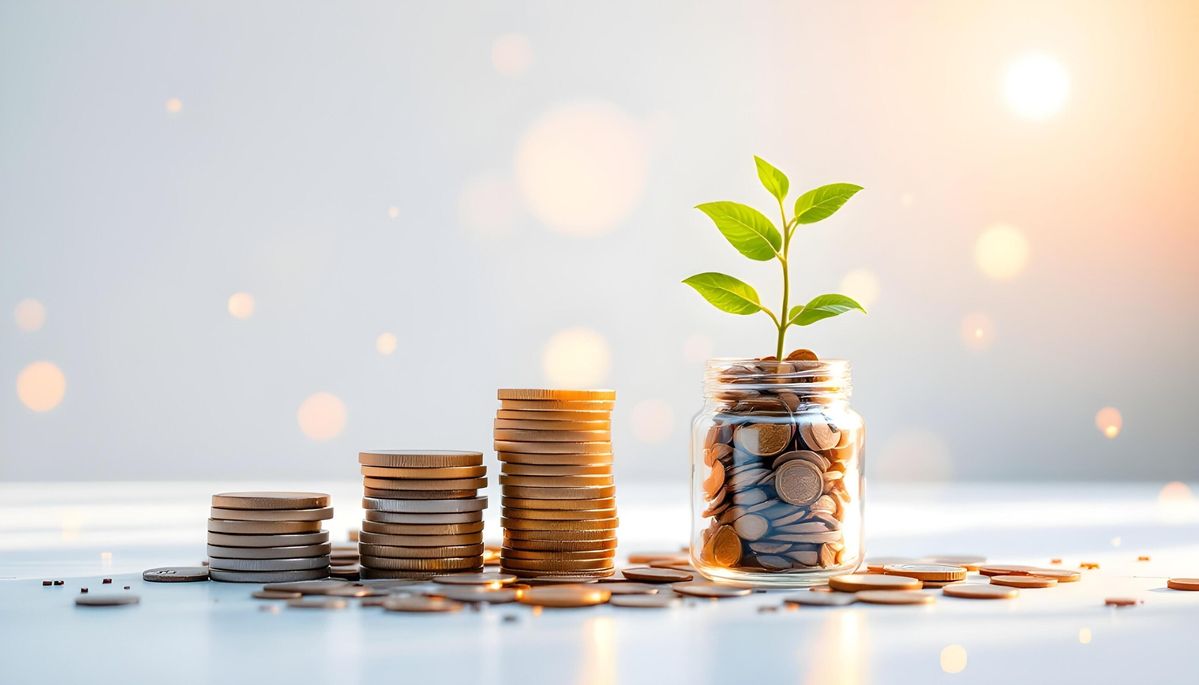
The definition of a successful founder has undergone a profound transformation. What once revolved around relentless hustle, aggressive fundraising, and rapid scaling has evolved into something far more nuanced. In 2026, success is no longer about doing more—it is about thinking better.
We are living in an era where starting a business has never been easier, yet building a lasting one has never been harder. There are now over 580 million entrepreneurs globally, meaning roughly one in fourteen people is engaged in some form of business creation. This explosion is fueled by technology, access to global markets, and the rise of digital tools that lower entry barriers.
But this surge in entrepreneurship comes with a harsh reality: most startups still fail. Around 42% of failures occur because founders build products that do not meet real market demand, and a significant number collapse within the first five years. The gap between starting and succeeding is widening.
What separates the winners is not just skill, capital, or timing—it is mindset.
Adaptability Is the Ultimate Advantage
In 2026, adaptability has replaced intelligence as the most valuable founder trait. The pace of change across industries is relentless. Artificial intelligence evolves monthly, consumer behavior shifts unpredictably, and entire markets can emerge or disappear in a matter of quarters.
Winning founders understand that rigid plans are liabilities. Instead of committing to fixed strategies, they operate with fluid thinking. They test, learn, and adjust continuously. They treat their business as a living system rather than a static blueprint.
This mindset shows up in how they handle failure. Rather than viewing it as a setback, they treat it as data. Globally, in most economies, founders who fail are increasingly likely to start again. The difference is that each iteration is smarter than the last.
Adaptability, in this context, is not just about reacting quickly—it is about building systems that allow for constant evolution.
AI as a Strategic Multiplier
Artificial intelligence is the defining force of modern entrepreneurship. It has fundamentally changed what a founder can accomplish.
In previous decades, building a company required teams, capital, and time. Today, a single founder can design, build, market, and scale a product using AI-powered tools. Tasks like coding, customer support, data analysis, and even content creation are increasingly automated.
However, access to AI is no longer a competitive advantage—it is a baseline.
The founders who win in 2026 are those who use AI as a multiplier, not a crutch. They do not rely on it blindly. They understand its limitations and apply human judgment where it matters most.
They focus on:
- Asking better questions rather than generating more outputs
- Combining creativity with automation
- Using AI to accelerate decision-making, not replace it
This creates a new kind of founder—the augmented thinker. Someone who blends human intuition with machine efficiency to move faster and smarter than traditional teams ever could.
Distribution Comes Before Perfection
One of the biggest mindset shifts in 2026 is the prioritization of distribution over product perfection.
Historically, founders spent months or years building products before launching them. Today, that approach is risky and often fatal. Many startups fail not because their product is bad, but because no one knows it exists or cares about it.
Winning founders reverse the process.
They start by understanding where attention lives—social platforms, communities, niche networks—and build presence there first. They validate demand before investing heavily in development.
This means:
- Testing ideas publicly
- Building audiences early
- Iterating based on real user feedback
In this model, growth is not something that happens after the product is built. Growth is embedded into the product from day one.
Efficiency Is the New Growth Strategy
The era of excessive funding and reckless spending is fading. Investors and markets have shifted their expectations. Profitability, sustainability, and clear value creation now matter more than rapid, unfocused expansion.
Winning founders embrace constraints instead of avoiding them. They understand that limitations force clarity.
They operate with discipline:
- Spending only where it drives measurable outcomes
- Validating ideas before scaling
- Avoiding unnecessary complexity
Interestingly, many of the most effective startups today are smaller than their predecessors. Lean teams, powered by AI, are achieving outputs that once required hundreds of employees.
Efficiency has become a strategic advantage, not a compromise.
Emotional Strength as a Core Competency
While technology has advanced, the emotional challenges of entrepreneurship have intensified.
Uncertainty is constant. Competition is global. Expectations are high. Many potential founders never even start because fear holds them back. In numerous economies, fear of failure affects over 40% of aspiring entrepreneurs.
Winning founders are not immune to fear. They simply manage it better.
They develop emotional resilience by:
- Detaching their identity from outcomes
- Accepting uncertainty as part of the process
- Maintaining focus during volatility
This mental strength allows them to make clear decisions under pressure. It also enables them to persist when others quit.
In 2026, resilience is not just a personal trait—it is a business asset.
Obsession With Problems, Not Ideas
A common trap for founders is falling in love with ideas. In reality, ideas are abundant and often misleading.
What matters is the problem.
Winning founders are deeply problem-focused. They spend more time understanding pain points than generating solutions. They ask questions like:
- Is this problem urgent?
- Are people already trying to solve it?
- Will someone pay to fix it?
This approach significantly reduces risk. When a problem is real and painful, demand already exists. The founder’s job is to deliver a better solution.
This shift from idea obsession to problem obsession is one of the most important mindset changes in modern entrepreneurship.
Experience Is Becoming a Stronger Advantage
The narrative of the young, inexperienced founder disrupting industries is evolving. While youthful innovation still exists, data shows that experience is playing a larger role in success.
The average founder of high-value companies now has over a decade of professional experience. This trend reflects the increasing complexity of building scalable businesses.
Modern founders benefit from:
- Industry knowledge
- Professional networks
- Operational understanding
Experience allows for better decision-making, especially in uncertain environments. It also reduces the likelihood of avoidable mistakes.
That said, experience is not about age—it is about exposure. Founders who learn quickly and accumulate relevant insights can compete effectively regardless of when they start.
Small Teams, Massive Leverage
One of the most visible changes in 2026 is the shrinking size of teams.
Technology has enabled a new model where small groups—or even individuals—can build and scale impactful businesses. AI tools act as extensions of the team, handling repetitive and technical tasks.
Winning founders focus on leverage:
- Maximizing output per person
- Automating wherever possible
- Hiring only when necessary
This results in faster decision-making, lower costs, and greater agility.
The question is no longer how many people are on the team. It is how effectively the team uses its resources.
Purpose and Sustainability Are Strategic
Modern entrepreneurship is increasingly aligned with long-term thinking.
Consumers, investors, and regulators are placing greater emphasis on sustainability and ethical practices. As a result, founders are integrating these considerations into their core strategies.
A large majority of entrepreneurs now factor sustainability into their decisions. This is not just about environmental responsibility—it is about building resilient businesses.
Winning founders:
- Think beyond short-term profits
- Align their business with broader impact
- Build trust with customers and stakeholders
Purpose is no longer optional. It is a competitive differentiator.
Betting on Yourself in an Uncertain World
The global workforce is changing. Traditional career paths are becoming less predictable, and job security is no longer guaranteed.
At the same time, opportunities for entrepreneurship are expanding. Digital platforms, remote work, and global access have created new possibilities.
More people are choosing to build rather than rely on traditional employment.
Winning founders embrace this shift. They view entrepreneurship not as a risky alternative, but as a strategic choice.
They take ownership of their future and accept uncertainty as part of the journey.
From Hustle to Precision
If there is one defining theme of the founder mindset in 2026, it is the transition from hustle to precision.
In the past, success was often associated with working harder and moving faster. Today, it is about working smarter and making better decisions.
Precision means:
- Focusing on what truly matters
- Eliminating unnecessary effort
- Acting with clarity and intention
This does not mean founders work less. It means their work is more effective.
Conclusion: The Real Edge in 2026
The founders who win in 2026 are not defined by charisma, luck, or even resources.
They are defined by how they think.
They are adaptable in changing environments, strategic in using technology, disciplined in managing resources, and resilient under pressure. They focus on real problems, build with intention, and grow with purpose.
As the barriers to starting a business continue to fall, competition will only increase. In this landscape, mindset becomes the ultimate advantage.
Because when everyone has access to the same tools, the difference comes down to how those tools are used—and the thinking behind them.
In 2026, the edge belongs to founders who think clearly, act deliberately, and evolve continuously.
ALSO READ: The Rise of AI Lawyers and Legal Startups