
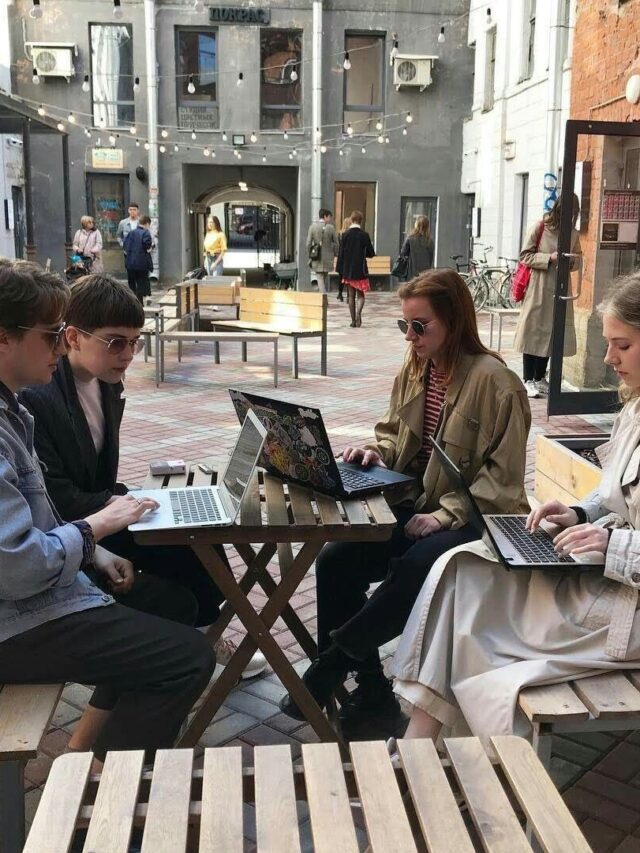
The digital revolution has fundamentally reshaped how people create, consume, and monetize content. At the heart of this transformation lies the creator economy—a rapidly expanding ecosystem where individuals build audiences, produce content, and generate income independently. Over the last decade, this ecosystem has evolved from a fragmented landscape of bloggers and influencers into a structured industry supported by a growing number of startups.
Creator economy startups are now enabling millions of individuals to turn their passions into professions. These companies provide tools, platforms, and services that allow creators to produce content efficiently, grow their audiences, and monetize their work without relying on traditional intermediaries like media houses or talent agencies.
The rise of these startups reflects a broader shift in the global economy, where creativity, authenticity, and direct audience relationships are becoming key drivers of value.
Understanding the Creator Economy
The creator economy refers to the network of independent content creators who earn money by sharing content online. This includes influencers, YouTubers, podcasters, writers, educators, designers, and artists.
What distinguishes the creator economy from traditional media is its decentralized nature. Instead of a few large organizations controlling content distribution, millions of individuals now have the ability to reach global audiences directly through digital platforms.
Supporting this ecosystem is a new wave of startups that provide essential infrastructure. These startups operate across multiple categories, including content creation tools, monetization platforms, analytics software, and community-building solutions.
Together, they form a digital backbone that allows creators to operate like small businesses.
Market Size and Growth
The creator economy has grown into a massive global industry. As of 2024, its estimated value exceeded $200 billion, with projections suggesting it could surpass $250 billion in 2025. Long-term forecasts indicate that the market may reach over $1 trillion within the next decade, highlighting its immense growth potential.
There are now more than 200 million creators worldwide, ranging from hobbyists to full-time professionals. This number continues to rise as digital access expands and more people explore content creation as a viable career path.
Advertising spending within the creator ecosystem is also increasing rapidly. Brands are allocating larger portions of their marketing budgets to creator collaborations, recognizing their ability to deliver authentic engagement and targeted reach. In the United States alone, creator-driven advertising is expected to reach tens of billions of dollars annually.
Emerging markets, particularly in Asia, are playing a significant role in this growth. Countries like India are witnessing a surge in creators, driven by affordable internet access, smartphone penetration, and a young, digitally active population. The Indian creator economy alone is projected to grow several times over in the coming years.
The Role of Startups in the Ecosystem
Startups are the driving force behind the creator economy’s rapid expansion. They provide the tools and infrastructure that make it possible for creators to succeed.
Monetization Platforms
One of the most critical areas where startups are making an impact is monetization. Traditionally, creators relied heavily on advertising revenue, which was often unpredictable and controlled by platforms. Today, startups are enabling new revenue streams such as subscriptions, memberships, digital products, and direct fan support.
These models allow creators to build stable income streams while maintaining greater control over their businesses. Direct-to-fan monetization is becoming increasingly popular, as it strengthens the relationship between creators and their audiences.
Content Creation Tools
Advancements in technology, particularly artificial intelligence, are transforming how content is produced. Startups are developing tools that automate editing, generate visuals, enhance audio, and even create content from scratch.
These innovations significantly reduce the time and cost associated with content production. As a result, creators can focus more on creativity and storytelling while scaling their output efficiently.
AI-powered tools are also lowering the barrier to entry, enabling beginners to create professional-quality content without extensive technical skills.
Social Commerce Platforms
Another major area of growth is social commerce, where content and shopping intersect. Startups are building platforms that allow creators to sell products directly to their audiences through videos, live streams, and social media posts.
This model turns creators into entrepreneurs who can launch and promote their own brands. It also provides a seamless experience for consumers, who can discover and purchase products within the same platform.
Social commerce is expected to become a dominant force in the creator economy, as it combines entertainment with convenience.
Analytics and Management Tools
As the creator economy becomes more competitive, data-driven decision-making is becoming essential. Startups are offering analytics tools that provide insights into audience behavior, content performance, and revenue trends.
These tools help creators optimize their strategies, identify growth opportunities, and make informed business decisions. They are particularly valuable for professional creators who treat their content as a full-time business.
Key Drivers of Growth
Several factors are contributing to the rapid rise of creator economy startups.
Democratization of Technology
The widespread availability of smartphones, high-speed internet, and user-friendly software has made content creation accessible to nearly everyone. This has led to an explosion in the number of creators entering the ecosystem.
Changing Consumer Preferences
Modern audiences prefer authentic and relatable content over traditional advertisements. They are more likely to trust recommendations from creators they follow than from brands.
This shift has increased the influence of creators and made them an essential part of marketing strategies.
Brand Adoption
Brands are increasingly recognizing the value of creator partnerships. Influencer marketing offers higher engagement rates and better targeting compared to traditional advertising.
As a result, companies are investing heavily in creator collaborations, further fueling the growth of the ecosystem.
Rise of Independent Entrepreneurship
The creator economy aligns with a broader trend toward independent work and entrepreneurship. Many individuals are choosing to build personal brands and businesses rather than pursuing traditional careers.
This shift is particularly evident among younger generations, who value flexibility, creativity, and autonomy.
Investment Trends
The creator economy has attracted significant investment from venture capital firms and institutional investors. In recent years, billions of dollars have been poured into startups operating in this space.
AI-driven startups are among the most attractive investment opportunities, as they offer scalable solutions for content creation and monetization. Social commerce platforms and community-building tools are also receiving substantial funding.
Investors are betting on the long-term potential of the creator economy, viewing it as a foundational layer of the digital economy.
Emerging Trends
AI Integration
Artificial intelligence is becoming deeply integrated into the creator ecosystem. From automated editing to personalized content recommendations, AI is enhancing both efficiency and creativity.
A large majority of creators are already using AI tools in some capacity, and this trend is expected to accelerate.
Growth of Micro Creators
While celebrity influencers once dominated the space, brands are now focusing on micro and nano creators. These individuals have smaller but highly engaged audiences, making them more effective for targeted campaigns.
Multi-Platform Strategies
Creators are diversifying their presence across multiple platforms to reduce dependency on any single platform. This approach helps mitigate risks associated with algorithm changes and platform policies.
Creator-Led Businesses
Many creators are launching their own products and companies, ranging from merchandise to full-scale brands. This trend is transforming creators into entrepreneurs who control their entire value chain.
Community-Centric Models
The future of the creator economy lies in building strong communities rather than chasing viral content. Paid memberships, private groups, and exclusive content are becoming key revenue drivers.
Challenges in the Ecosystem
Despite its rapid growth, the creator economy faces several challenges.
Income Inequality
A small percentage of creators earn the majority of income, while many struggle to monetize their content effectively. This imbalance highlights the need for better tools and opportunities for smaller creators.
Platform Dependency
Creators still rely heavily on social media platforms for visibility and distribution. Changes in algorithms or policies can significantly impact their reach and income.
Market Saturation
With millions of creators competing for attention, standing out has become increasingly difficult. Discoverability is one of the biggest challenges in the ecosystem.
Monetization Barriers
In many regions, only a small percentage of creators are able to generate sustainable income. This limits the overall growth potential of the ecosystem.
The Indian Creator Economy
India represents one of the fastest-growing creator markets in the world. The combination of affordable internet, widespread smartphone usage, and a large युवा population has created a fertile environment for content creation.
Regional content is a major driver of growth, as creators produce content in multiple languages to reach diverse audiences. Short-form video platforms have also played a significant role in expanding the creator base.
The Indian creator economy is expected to grow significantly in the coming years, with increasing opportunities for monetization and brand partnerships.
The Future of Creator Economy Startups
The next phase of the creator economy will be defined by innovation, scalability, and sustainability.
Greater Ownership
Creators will seek more control over their data, audiences, and revenue streams. Decentralized platforms and direct-to-consumer models will play a key role in this shift.
Advanced AI Tools
AI will continue to evolve, enabling creators to produce high-quality content at scale. It will also open up new creative possibilities and business models.
Expansion into New Industries
The creator economy will extend beyond entertainment into areas such as education, fitness, and professional services. Creators will become key players in multiple industries.
Professionalization
As the ecosystem matures, we can expect more structured systems, including standardized metrics, contracts, and regulations. This will make the creator economy more sustainable and accessible.
Conclusion
The rise of creator economy startups marks a transformative moment in the digital age. What began as a decentralized movement of individuals sharing content has evolved into a powerful global industry supported by innovative startups and massive investment.
These startups are not just enabling creators—they are redefining how value is created, distributed, and monetized in the modern economy. By providing tools for creation, monetization, and growth, they are empowering millions of people to build independent careers and businesses.
As technology continues to advance and consumer preferences shift toward authenticity and community, the creator economy will only become more influential. Its impact will extend far beyond content, shaping the future of work, entrepreneurship, and digital interaction.
The journey is still in its early stages, but one thing is clear: creator economy startups are not just a trend—they are a fundamental part of the future.
ALSO READ: Why SaaS Is Being Replaced by AIaaS