
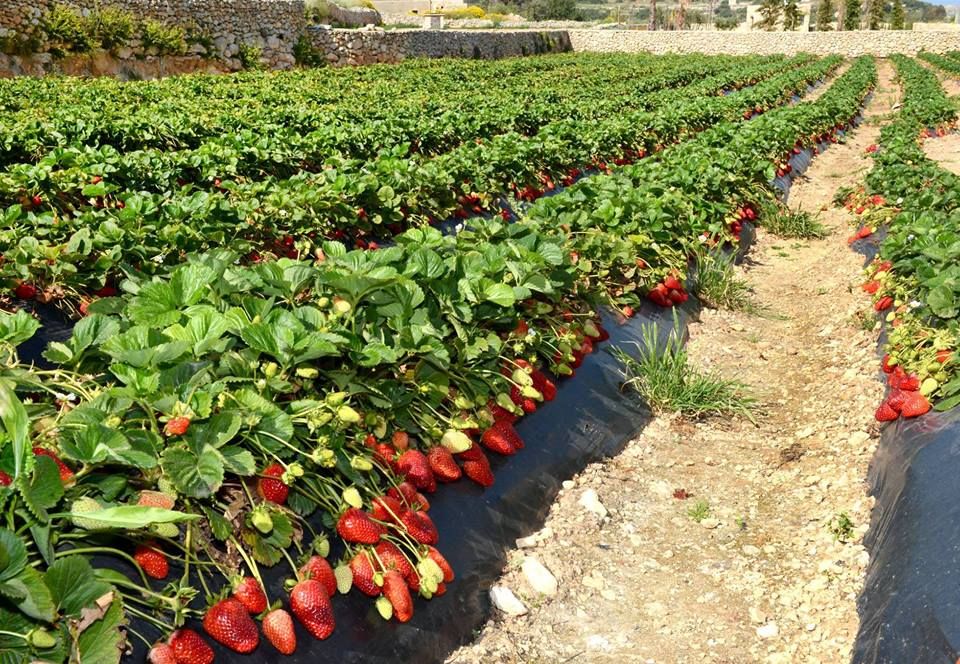
India’s strawberry industry has long remained fragmented, seasonal, and largely unbranded—focused primarily on fresh fruit sales with limited value creation. Strawberry Park aims to change that narrative.
Startup Wired spoke with Abhilash, Founder of Strawberry Park, to understand the vision behind building India’s first vertically integrated, brand-driven strawberry ecosystem—spanni ng cultivation, processing, retail experiences, and B2B supply.
Identifying the Gap in India’s Strawberry Market
Abhilash observed that India’s strawberry market is highly fragmented and heavily dependent on seasonal fresh fruit sales. Most growers and traders focus solely on fresh produce, leading to high wastage, price volatility, inconsistent quality, and limited farmer earnings.
Strawberry Park was conceived to address this gap by building a branded, vertically integrated strawberry company—one that controls cultivation, processing, consumer experiences, and distribution. This approach enables predictable revenues, reduced wastage, and long-term brand value.
Market Opportunity and South India’s Untapped Potential
India’s strawberry demand is growing at an estimated 15–20% annually, driven by urban consumption, cafés, bakeries, premium desserts, and health-conscious consumers.
Despite this growth, South India remains underpenetrated. Cities such as Bengaluru, Chennai, Hyderabad, and markets across Kerala show strong demand but limited organized supply—making the region a high-growth, supply-constrained opportunity for Strawberry Park.
The Vertically Integrated Business Model
Strawberry Park operates across the entire strawberry value chain:
- High-altitude strawberry cultivation
- In-house processing of jams, frozen products, pulp, and desserts
- Direct retail and café-based consumer experiences
- B2B supply, wholesale, and future export channels
This diversified structure reduces dependency on any single revenue stream while improving margins and operational resilience.
Why High-Altitude Cultivation Matters
High-altitude farming plays a critical role in Strawberry Park’s quality strategy. According to Abhilash, it offers:
- Better temperature regulation
- Higher sugar content and firmness
- Lower pest pressure
- A longer harvesting window
These factors significantly improve fruit quality, shelf life, and suitability for premium fresh and processed products.
Risk Reduction Through In-House Processing
A key pillar of Strawberry Park’s model is value-added processing, which focuses on high-margin products such as:
- Strawberry jams and preserves
- Strawberry-based desserts, including wine-infused and dry-fruit variants
- Limited-batch premium strawberry wine (planned)
- Gourmet strawberry products for cafés, hotels, and retail
By converting surplus or lower-grade fruit into branded products, Strawberry Park minimizes risks related to seasonality, price fluctuations, and post-harvest losses—ensuring year-round revenue and stronger margins.
Fastest-Scaling Revenue Streams
- Short term: Processed products and B2B supply
- Medium term: Branded retail outlets and café formats
- Long term: Wholesale and export markets
Processing is expected to scale the fastest due to predictable demand and higher margins.
Role of Agri-Tourism and Café Experiences
Agri-tourism and cafés serve both commercial and branding purposes. They help:
- Build consumer trust
- Create direct engagement with customers
- Generate high-margin experiential revenue
The café also functions as a live showroom for Strawberry Park’s products and brand story.
Balancing B2B, Retail, and D2C in Early Stages
In its early phase, Strawberry Park is prioritizing:
- B2B channels for volume stability
- Selective retail and D2C for brand visibility
- Gradual expansion of owned outlets once demand is validated
This strategy helps avoid excessive cash burn while steadily building market presence.
Current Fundraising Stage
Strawberry Park is currently in an early-stage fundraising phase and is seeking a strategic investing partner, rather than passive capital.
Defining Success Over the Next 3–5 Years
Abhilash envisions Strawberry Park as:
- A recognized premium strawberry brand in South India
- A business with multiple revenue-generating verticals
- A strong processing and B2B powerhouse
- A scalable model ready for pan-India expansion
Founder’s Motivation Behind Strawberry Park
Abhilash began his journey by running a small strawberry business, which exposed him to the limitations farmers face when strawberries are treated purely as a commodity.
This experience revealed that the real opportunity lies not in selling fruit alone, but in building a strong consumer brand around strawberries—integrating cultivation, processing, and experiences.
Strawberry Park was created to transform a fragmented, seasonal activity into a structured, high-value business ecosystem.
Ideal Partners and Investors
Strawberry Park is looking for:
- A long-term investing partner
- Capital combined with strategic guidance
- An equity-based, co-creation mindset
The focus is on building the company collaboratively, rather than raising short-term funding.
One-Line Description of Strawberry Park
“Strawberry Park is a vertically integrated strawberry brand combining premium cultivation, processing, and experiences into one scalable business.”
Closing Note
At this stage, Strawberry Park is open to onboarding a strategic investing partner who believes in the long-term vision and is interested in equity participation. The team is keen to explore partnerships that create mutual, sustainable value.
Also Read – Building Strong Company Culture in Remote Startups