
Australia’s startup culture has moved far beyond its early “emerging ecosystem” phase. Today, it operates as a mature, globally connected environment that produces world-class companies, attracts international capital, and consistently turns research and industry expertise into commercial ventures. While Australia does not replicate Silicon Valley’s scale, it compensates with sector depth, capital efficiency, and a strong tendency to build globally relevant businesses from day one.
This article explores how Australia’s startup ecosystem works, where activity concentrates, what the latest funding data shows, which sectors dominate, how government policy shapes outcomes, and what founders actually experience on the ground.
Australia’s global position as a startup nation
Australia consistently ranks among the world’s stronger startup countries, even though it operates with a smaller population and domestic market than the United States or Europe. Rather than relying on a single mega-hub, Australia spreads startup activity across multiple cities, each with distinct sector strengths. This structure reduces concentration risk and encourages collaboration across regions.
International benchmarking regularly places Australia’s leading ecosystems—especially Sydney and Melbourne—within the global top tier. These cities contribute meaningful ecosystem “value,” measured by startup valuations, exits, and funding activity, and they continue to attract international attention from investors and operators.
Australia’s distance from major markets has shaped its startup mindset. Founders rarely build companies solely for local demand. Instead, they design products for international markets early, often targeting the United States, Europe, or Asia-Pacific expansion within their first few years.
Major startup hubs and their specialisations
Sydney (New South Wales)
Sydney operates as Australia’s largest startup and venture capital hub. It attracts the majority of national funding and hosts the country’s biggest concentration of investors, accelerators, and later-stage companies. Fintech, cybersecurity, enterprise software, and deep technology dominate Sydney’s startup output.
The city benefits from strong financial services infrastructure, proximity to major corporates, and a dense investor network. New South Wales alone accounted for $2.6 billion across 203 venture deals in 2024, representing around 65% of all venture capital invested nationally. The state also produced most of Australia’s mega-deals valued at $100 million or more.
Melbourne (Victoria)
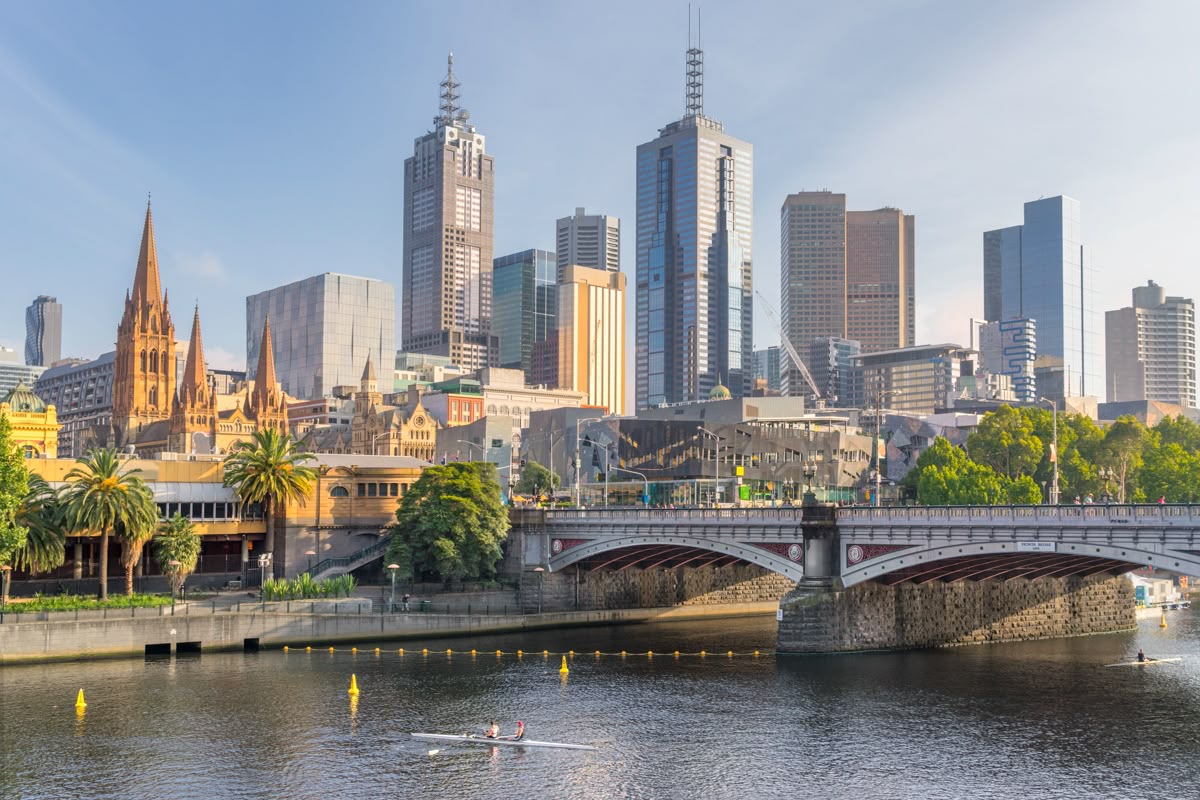
Melbourne rivals Sydney in startup quality and depth. The city excels in software-as-a-service, marketplaces, climate and energy technology, health tech, and consumer brands. Founders often praise Melbourne for its product talent, design culture, and collaborative startup community.
Recent ecosystem analysis has valued Melbourne’s startup ecosystem in the tens of billions of dollars, placing it firmly on the global innovation map alongside Sydney.
Other emerging hubs
- Brisbane and the Gold Coast continue to grow in health, biotech, and climate-adjacent ventures, supported by improving investor access and lower operating costs.
- Perth focuses heavily on mining technology, energy innovation, robotics, and industrial automation, reflecting Western Australia’s resources-driven economy.
- Adelaide builds strength in defence, space, and advanced manufacturing.
- Canberra specialises in govtech, cybersecurity, and research-driven startups linked to federal agencies and public institutions.
Venture funding: latest data and what it means
Australia’s venture capital environment has adjusted to the global funding reset that followed the 2021–2022 boom. Investors now prioritise capital efficiency, revenue traction, and clear paths to profitability. Despite tighter conditions, funding activity remains resilient.
Key national figures show:
- $2.8 billion in total VC investment during 2024, with projections suggesting 2025 will match or exceed this level.
- Around $4 billion invested across 414 startup deals in 2024, according to widely cited national funding reports.
- Fintech, climate technology, and bio/medical technology ranked among the most funded sectors.
Early-stage rounds continue to close at healthy rates, especially for strong technical teams. Later-stage funding has become more selective, which pushes many startups to seek international investors earlier in their growth cycle.
This funding environment rewards founders who demonstrate discipline. Teams that manage burn rates carefully, validate demand early, and show credible global potential attract capital more consistently than those relying on hype or rapid expansion alone.
Sector strengths that define Australian startups
Australia’s startup culture aligns closely with national advantages in research, natural resources, regulation, and industry expertise.
Climate, energy, and cleantech
Australia’s renewable energy potential, combined with urgent decarbonisation needs, has driven rapid growth in climate and energy startups. Founders tackle grid modernisation, energy storage, industrial emissions, and clean infrastructure.
Fintech
Australia’s sophisticated banking system and regulatory clarity have supported a strong fintech pipeline for over a decade. Although competition has intensified, fintech remains a core pillar of venture investment.
Health, biotech, and medtech
Universities, hospitals, and research institutes provide a steady flow of intellectual property and clinical expertise. Many startups commercialise research through spin-outs or founder-led translation models.
Cybersecurity
Government demand, national security priorities, and strong technical talent fuel cybersecurity innovation. Startups often secure early enterprise or public-sector customers before expanding globally.
Deep tech and advanced industries
Quantum computing, space technology, robotics, and advanced manufacturing attract increasing attention, supported by targeted government funding and strategic investment vehicles.
Government policy and structural support
Australia’s startup ecosystem relies heavily on institutional support mechanisms that reduce risk and encourage innovation.
R&D Tax Incentive
The Research and Development Tax Incentive remains one of the most important tools for early-stage startups, especially those in deep tech and life sciences. The government continues to review and refine the program, including adjustments discussed in the 2024–25 MYEFO context.
Early Stage Innovation Company (ESIC) incentives
ESIC rules encourage investors to back qualifying startups by offering tax offsets and capital gains concessions. Recent attention from regulators has increased scrutiny around compliance, but the incentive still plays a central role in seed-stage fundraising.
National Reconstruction Fund
The National Reconstruction Fund deploys debt and equity into priority sectors such as manufacturing, energy, and strategic technology. While it does not focus exclusively on startups, it increasingly supports scale-ups and co-investments that accelerate commercial growth.
Talent, immigration, and the National Innovation Visa
Australia faces persistent talent constraints due to its smaller population and global competition for skilled workers. To address this, the government introduced the National Innovation Visa (subclass 858), which targets exceptionally talented individuals, including founders, researchers, and technical specialists.
This visa pathway aims to attract high-impact contributors who can strengthen Australia’s innovation economy. Public guidance highlights entrepreneurship, advanced research, and globally recognised expertise as priority criteria.
What startup culture feels like on the ground
Founders often describe Australia’s startup culture as tight-knit, pragmatic, and reputation-driven.
- Personal introductions carry significant weight.
- Community trust matters, because word travels quickly.
- Founders prioritise substance over hype.
- Many entrepreneurs build global strategies from the outset.
Employees from successful scale-ups increasingly launch their own companies, reinforcing a cycle of experience, mentorship, and reinvestment.
Ongoing challenges and founder strategies
Australia’s ecosystem still faces structural hurdles:
- Limited domestic follow-on capital compared to the US.
- Geographic distance from major markets.
- Complex regulatory requirements in sectors like fintech and health.
Successful founders adapt by building international investor relationships early, establishing overseas sales teams, and treating compliance as a competitive advantage rather than a burden.
Key trends shaping 2025 and beyond
Several themes dominate Australia’s current startup narrative:
- Early-stage investment remains active, particularly in AI-enabled products, though investors demand stronger fundamentals.
- Strategic and industrial investment continues to rise through vehicles like the National Reconstruction Fund.
- Policy debate increasingly focuses on research commercialisation, incentive integrity, and scaling pathways.
Final takeaway
Australia’s startup culture rewards builders who combine technical depth, global ambition, and financial discipline. While the ecosystem lacks the sheer scale of larger markets, it compensates with resilience, sector expertise, and an increasingly sophisticated support framework. For founders willing to think internationally and execute carefully, Australia offers one of the most balanced startup environments in the world.
Also Read – Managing People in High-Pressure Startup Environments