
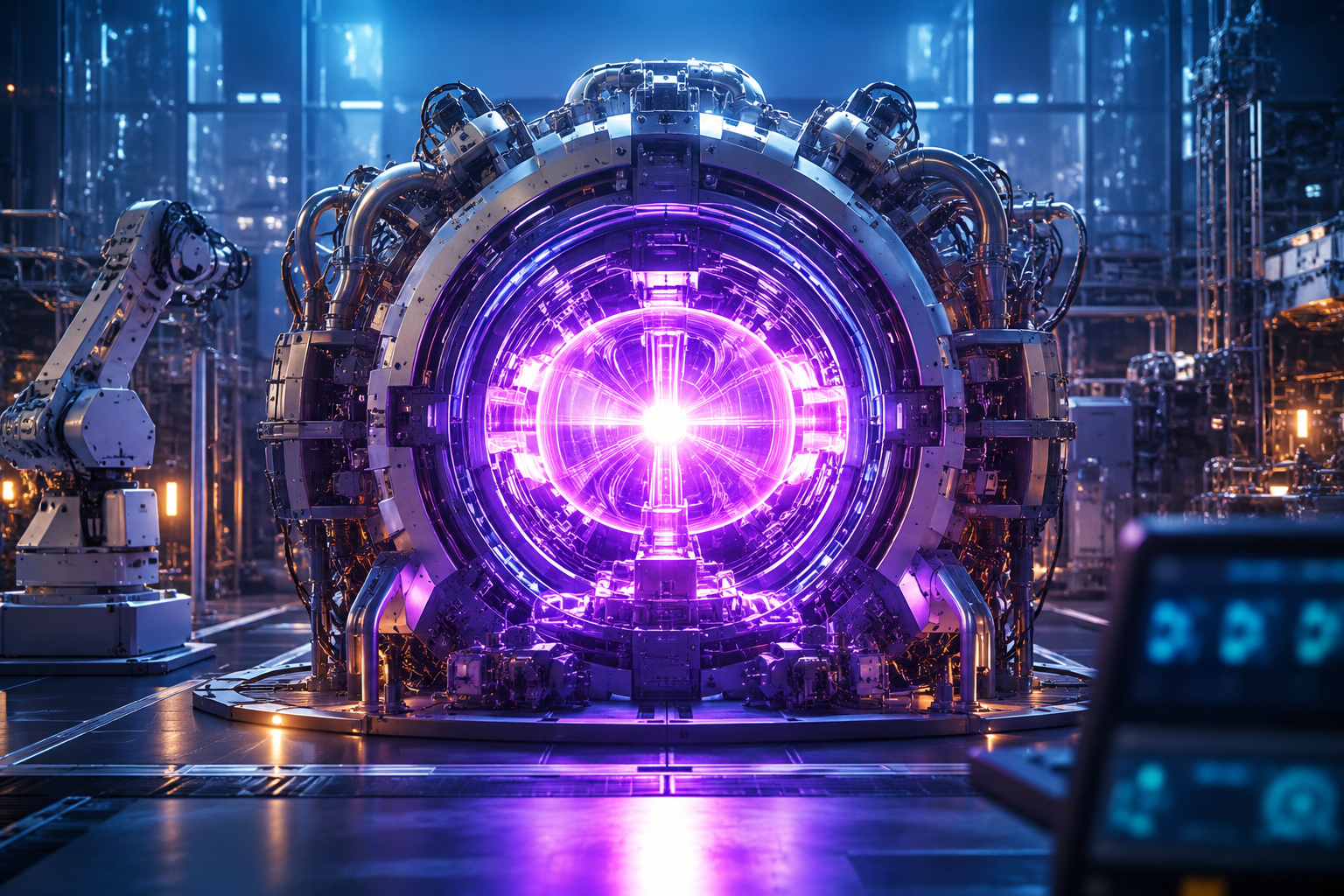
Helion Energy, a nuclear fusion startup from the United States, has reached a huge milestone after its latest funding round. The company now carries a value of $15.5 billion. This new figure shows strong faith from investors who believe fusion energy may shape the future of electricity around the world.
The latest funding round brought in $425 million from investors. The round came under the leadership of Thrive Capital, a well-known investment firm that supports large technology companies. The new deal pushed Helion’s market value far above its earlier level. In January 2025, the company held a value of $5.4 billion. Within a short period, that number almost tripled.
Why Investors Show Strong Interest
This sharp rise shows how much attention fusion energy now receives from the global market. Many experts believe future power demand may rise very fast because of artificial intelligence, large data centers, electric vehicles, and heavy industrial use. Investors now search for energy companies that may provide huge amounts of clean electricity without pollution from fossil fuels.
Helion stands among the most watched fusion startups in the world. The company works on nuclear fusion, a process that copies the same reaction that powers the sun. Fusion joins tiny particles together and releases a large amount of energy. Scientists have studied this idea for decades because fusion may provide nearly endless clean power if companies manage to make the technology work on a large scale.
How Fusion Energy Works
Unlike traditional nuclear plants, fusion does not depend on uranium splitting. Instead, fusion combines atoms under very high heat and pressure. Supporters say this method may produce less dangerous waste and may lower the risk of major accidents. Because of these possible benefits, fusion companies now attract billions of dollars from private investors.
Helion has spent years on research and machine development. The company built several experimental systems to test its technology. Its latest machine carries the name Polaris. Helion hopes this machine may help prove that fusion power can become commercially useful.
The company plans to produce electricity for customers within the next few years. That goal remains very ambitious because many fusion experts still believe commercial fusion may take decades. Even with these doubts, investors continue to place huge bets on companies such as Helion because the reward may become massive if the technology succeeds.
AI and Data Centers Raise Energy Demand
One major reason behind the excitement comes from rising electricity demand across the technology sector. Artificial intelligence systems need huge data centers filled with advanced computer chips. These centers consume enormous amounts of electricity every day. Large technology companies now search for reliable and clean power sources to support future growth.
Helion already signed an important agreement with Microsoft. Under this deal, Helion plans to supply electricity to Microsoft by 2028. The agreement became one of the first major power purchase deals between a fusion company and a large technology firm. The announcement brought worldwide attention to Helion because it showed that major corporations now take fusion energy seriously.
Major Deals Increase Confidence
The company also signed another agreement with Nucor, a major steel producer in the United States. Under this plan, Helion aims to develop a 500-megawatt fusion project for the company. Heavy industries such as steel production require huge amounts of power. Because of this need, fusion energy may become attractive if companies manage to deliver stable electricity at large scale.
Even with the strong investor support, many scientists remain cautious. Fusion research has a long history filled with delays and missed deadlines. For years, researchers promised breakthroughs that later failed to reach commercial success. Because of this history, some experts believe investors may place too much hope on very early technology.
Big Challenges Still Remain
Fusion systems face many technical challenges. The process requires extremely high temperatures that reach levels hotter than the sun. Machines must hold and control plasma under very difficult conditions. Engineers also need systems that produce more energy than they consume. This step remains one of the biggest barriers for the industry.
Helion says its technology differs from traditional fusion systems. The company uses pulsed magnetic fusion instead of large tokamak reactors that many research groups prefer. Helion believes its method may lower costs and allow faster development. The company also claims its machines may directly convert fusion energy into electricity without the need for steam turbines.
This approach has helped Helion stand apart from many competitors in the fusion market. Investors now view the company as one of the leaders in private fusion research. The fresh funding may help Helion continue machine development, hire more workers, and speed up commercial plans.
Clean Energy Race Becomes Stronger
The funding round also reflects a wider trend in the energy market. Governments and private firms around the world now invest heavily in clean energy technologies. Solar power, wind farms, battery systems, and advanced nuclear projects all receive strong financial support. Fusion now joins that list as investors search for long-term energy solutions.
Climate concerns also play a major role in this shift. Many countries want to reduce carbon emissions over the next few decades. Fusion energy may help reach those goals because the process does not release carbon dioxide during electricity production. Supporters believe fusion may one day provide stable clean energy without the weather limits faced by solar and wind systems.
Competition in the Fusion Industry
At the same time, competition in the fusion sector continues to rise. Several private companies now race toward the same goal. Firms such as Commonwealth Fusion Systems, TAE Technologies, and others also attract large investments. Each company uses different methods in hopes of reaching commercial fusion first.
The latest rise in Helion’s value places the company among the most valuable private energy startups in the world. The market clearly believes fusion energy may become one of the biggest industries of the future. However, the road ahead still carries uncertainty because no company has yet delivered commercial fusion electricity at scale.
What Comes Next for Helion
Investors who support Helion understand the risks involved. Fusion research requires huge amounts of money, advanced engineering, and years of testing. Even successful experiments may not guarantee commercial success. Still, many investors believe the possible reward justifies the risk because a successful fusion company may reshape the global energy system.
The next few years may become very important for Helion. The company must prove that its machines can produce reliable electricity and meet commercial targets. The planned Microsoft deal in 2028 now stands as a major test for the company’s promises.
If Helion succeeds, the company may help open a new chapter in global energy history. Fusion power may offer clean electricity for homes, factories, transportation systems, and data centers around the world. Such a breakthrough may reduce dependence on fossil fuels and change how nations produce energy.
For now, Helion’s $15.5 billion value shows one clear message. Investors strongly believe that fusion energy may move from scientific dream to commercial reality faster than many once expected.
Also Read – Uber Puts $500 Million Into Robotaxi Firm Nuro