
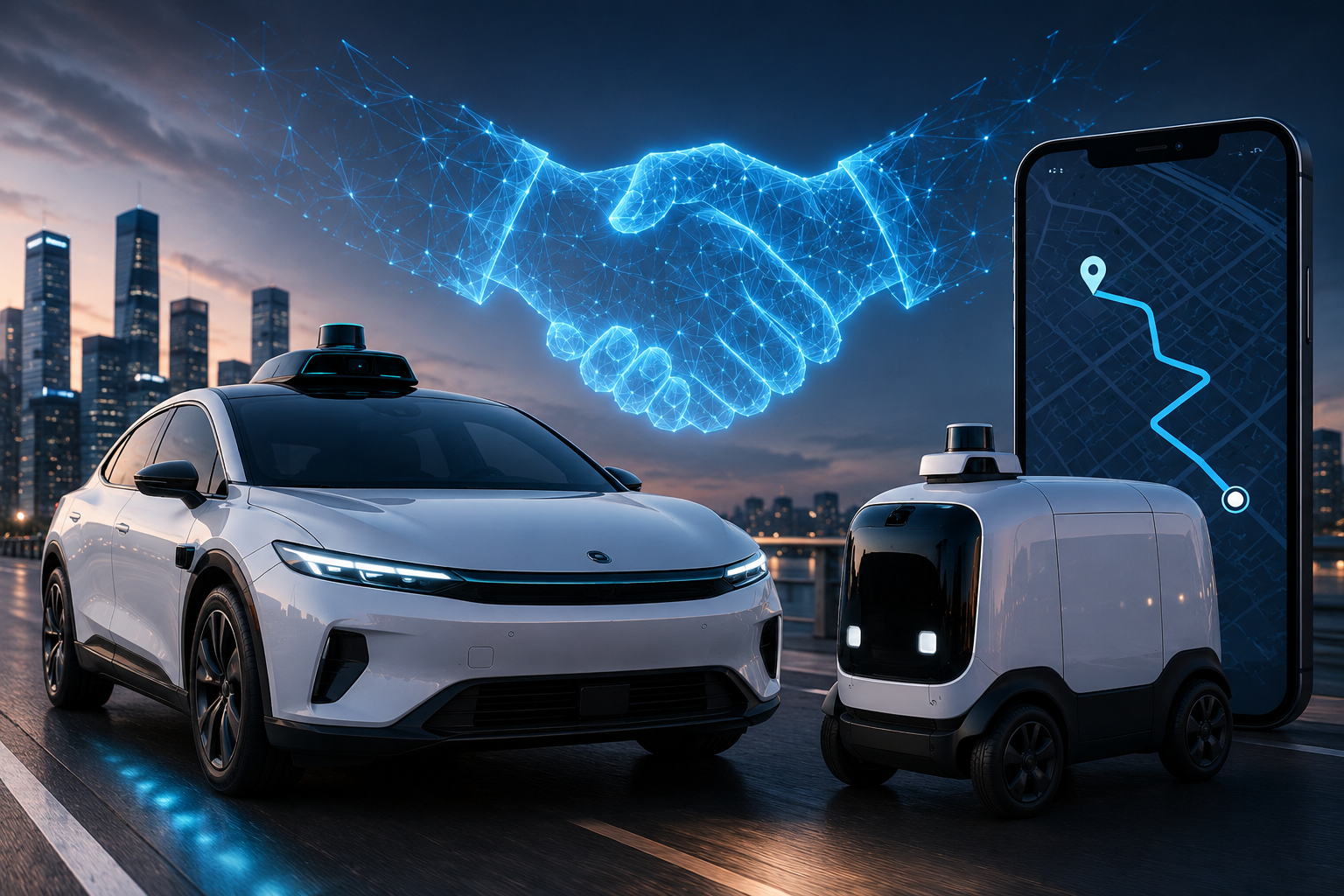
Uber has made one of its biggest moves in the self-driving car market. Reports say the ride-hailing giant plans to commit close to $500 million to robotaxi startup Nuro. The deal marks a major step for Uber as the company tries to build a stronger place in the fast-growing autonomous vehicle business.
The news came from Reuters, which said the investment includes Nuro’s earlier funding round and more money tied to future goals. The full amount may reach nearly half a billion dollars. This shows how serious Uber has become about robotaxi technology and driverless transport.
Uber Chooses Partnership Over Competition
For many years, Uber tried to build its own self-driving system. The company spent large amounts of money on research and testing. But the project faced many problems, high costs, and safety concerns. Later, Uber sold its self-driving unit and changed its strategy.
Now the company prefers partnerships instead of direct competition. Uber wants to become the main platform where people book rides, while other firms build the self-driving technology.
This new deal with Nuro fits that plan perfectly. Uber can focus on its app, customer network, and ride business while Nuro handles the autonomous driving system.
The move also helps Uber avoid the huge cost of building every part of the technology alone. Instead, the company can work with experts that already have years of experience in robotics and artificial intelligence.
Who Is Nuro?
Nuro is a California-based startup that works on autonomous vehicle technology. The company became famous after it built small driverless delivery vehicles for food and grocery services. Over time, Nuro expanded its work into passenger transport and robotaxi systems.
The startup has received support from major investors in the past. Many technology experts believe Nuro has strong software and advanced safety systems.
Unlike some competitors, Nuro focuses heavily on simple and practical designs. The company tries to create systems that work well in real city traffic instead of only in test environments.
This practical approach has helped Nuro gain attention from large companies such as Uber.
The Lucid Partnership Adds More Strength
The project does not stop with Uber and Nuro. Luxury electric vehicle maker Lucid Motors also plays a major role in the partnership.
Reports say the companies plan to place Nuro’s autonomous driving system inside Lucid vehicles. These cars may then operate on Uber’s ride-hailing network.
The agreement could bring at least 35,000 robotaxis to roads in the future. That number makes this one of the largest planned robotaxi fleets in the industry.
Lucid cars already have advanced electric technology and premium hardware. Nuro’s software may help these vehicles drive without human control. Uber would then provide the ride-booking platform for customers.
Together, the three companies hope to build a full robotaxi ecosystem.
Why This Investment Matters
The $500 million commitment shows growing confidence in autonomous vehicles. For years, many experts believed robotaxis would arrive quickly. But delays, accidents, and technical problems slowed progress across the industry.
Now the market has started to move again. Technology has improved, and companies have become more careful with safety and testing.
Uber’s large financial commitment sends a strong message that robotaxi services may soon become more common in daily life.
The investment also shows that large companies still believe autonomous transport can become a huge business in the future. Driverless taxis may lower labor costs and allow transport services to operate for longer hours.
If robotaxi systems work safely and efficiently, companies may earn large profits over time.
Milestone-Based Funding Structure
The reported investment will not arrive all at once. Reuters said the funding depends on certain milestones and project goals.
This means Nuro must complete key tasks before receiving full financial support. These goals may include successful driverless tests, approval for passenger rides without safety drivers, and large-scale commercial operations.
This type of funding structure protects Uber from major financial risk. The company can track progress step by step before releasing more money.
It also puts pressure on Nuro to deliver strong results and maintain safety standards.
The structure reflects how cautious companies have become in the autonomous vehicle market after earlier failures and delays.
Robotaxi Competition Continues To Grow
Uber and Nuro face strong competition from several major companies.
Waymo, owned by Alphabet, already operates robotaxi services in some American cities. Tesla also continues work on self-driving technology and robotaxi plans. Amazon-owned Zoox remains another important player in the market.
Each company follows a different strategy. Some build their own vehicles from scratch, while others focus mainly on software systems.
Uber’s partnership model stands apart from many rivals. Instead of building every piece itself, the company connects several specialists together.
This strategy may help Uber expand faster without carrying all the technical burden alone.
At the same time, competition remains fierce. Every company wants to become a leader in the future of driverless transport.
Safety Remains A Big Concern
Even with major progress, safety still remains one of the biggest issues in the robotaxi industry.
Many people continue to worry about how driverless cars react during emergencies, bad weather, or crowded traffic conditions. Governments and regulators also closely monitor autonomous vehicle testing.
Because of these concerns, companies must follow strict rules before public launch.
Nuro has already received approval for some driverless testing activities in California. This gives the company an important advantage as it moves toward commercial operations.
Still, large-scale public trust may take time. Many experts believe robotaxi companies must prove long-term safety before customers fully accept the technology.
Uber and Nuro will likely face close public attention as the partnership develops further.
Future Plans For Expansion
Reports say the first robotaxi launches may happen in the San Francisco Bay Area. After early testing and limited operations, the companies hope to expand to more cities over time.
Large cities with heavy traffic and strong demand for ride services may become key targets.
If the project succeeds, Uber users may one day book fully driverless rides directly through the app. Customers may not notice major changes during booking, but the car may arrive without a human driver.
The companies also hope autonomous technology can reduce costs and improve ride availability.
However, expansion will depend on government approvals, public response, and successful testing.
A Major Step Toward Driverless Transport
Uber’s reported $500 million commitment to Nuro marks an important moment in the autonomous vehicle race. The partnership with Lucid adds even more strength to the project.
The companies aim to create a massive robotaxi network with at least 35,000 self-driving vehicles. The investment also shows that major technology firms still strongly believe in the future of autonomous transport.
Many challenges still remain, especially around safety, regulations, and public trust. But the industry now appears closer to commercial robotaxi operations than it did a few years ago.
For Uber, this move may shape the company’s future for many years. Instead of only connecting riders with human drivers, Uber may eventually become one of the world’s biggest robotaxi platforms.
The next few years will reveal whether this huge investment can truly change urban transport around the world.
Also Read – How to Land a Job at Anthropic: Complete 2026 Guide