
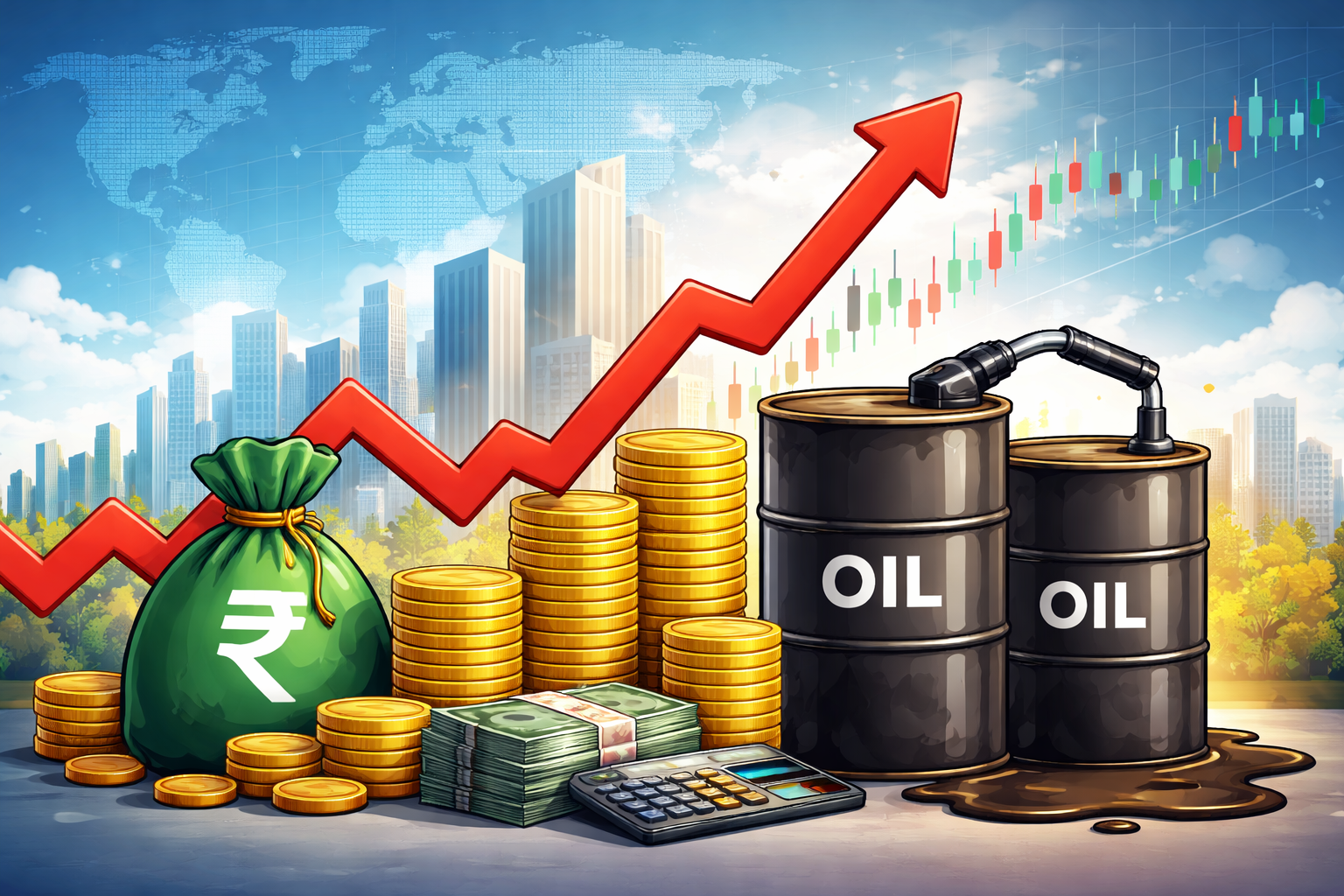
Many investors overlook the deep link between oil prices and their Systematic Investment Plan (SIP) returns. You may invest regularly in mutual funds and expect steady growth, but global oil price movements quietly influence your portfolio in powerful ways. Oil acts as a backbone for modern economies, and changes in its price ripple across industries, inflation, and market sentiment. When you understand this relationship, you make smarter investment decisions and manage expectations more effectively.
Oil Prices Shape Inflation Trends
Oil prices directly influence inflation because fuel costs affect transportation, manufacturing, and daily consumption. When oil prices rise, companies spend more on logistics and production. They often pass these costs to consumers, which increases overall price levels. Higher inflation reduces purchasing power and forces central banks to tighten monetary policy.
When interest rates rise in response to inflation, equity markets often face pressure. Since SIPs invest regularly in equity or hybrid funds, these market corrections affect your returns. You may still benefit from rupee cost averaging, but prolonged inflationary periods can slow overall growth.
Impact on Corporate Earnings
Oil prices significantly affect corporate profitability. Many industries depend heavily on fuel, including aviation, logistics, cement, and manufacturing. When oil prices increase, companies experience higher operating costs. If they fail to pass these costs to customers, their profit margins shrink.
Lower corporate profits lead to weaker stock performance. Since mutual funds invest in these companies, your SIP returns reflect this decline. On the other hand, sectors like oil exploration and production may benefit from rising oil prices. However, these gains rarely offset broader market pressure, especially in diversified mutual funds.
Currency Movements and Their Effect
India imports a large portion of its crude oil. When oil prices rise, the country spends more foreign currency, which weakens the rupee. A weaker rupee increases import costs further and adds to inflation.
Currency depreciation also affects foreign investor sentiment. Foreign institutional investors may pull out money when they see macroeconomic instability. This outflow creates volatility in equity markets. SIP investors experience this volatility in the form of fluctuating Net Asset Values (NAVs).
Interest Rates and Market Liquidity
Rising oil prices often push central banks to increase interest rates to control inflation. Higher interest rates reduce liquidity in the financial system. Borrowing becomes expensive for businesses and consumers, which slows economic growth.
Equity markets tend to react negatively to such tightening cycles. Since SIPs invest consistently regardless of market conditions, your investments continue during downturns. While this strategy helps in the long run, short-term returns may appear subdued during periods of high oil prices and rising rates.
Sectoral Impact on Mutual Funds
Oil price movements do not affect all sectors equally. Some sectors suffer, while others benefit. For example, oil marketing companies, paint manufacturers, and airlines usually struggle when oil prices rise. Meanwhile, energy companies and oil producers may perform better.
Mutual funds hold a mix of sectors. Fund managers adjust allocations based on economic conditions, but sudden oil price shocks still create volatility. If your SIP invests in sector-heavy funds, you may see sharper fluctuations compared to diversified funds.
Global Economic Sentiment
Oil prices also influence global economic stability. Sharp increases in oil prices can slow down major economies, including the United States, Europe, and emerging markets. When global growth slows, equity markets worldwide react negatively.
Indian markets do not operate in isolation. Global investor sentiment plays a key role in market movements. A spike in oil prices can trigger global sell-offs, which affect your SIP returns even if domestic conditions remain stable.
Long-Term Perspective for SIP Investors
Despite these challenges, SIPs remain one of the most effective ways to build wealth. Market volatility caused by oil price fluctuations actually creates opportunities for disciplined investors. When markets fall, SIPs allow you to accumulate more units at lower prices.
Over time, markets recover and grow along with the economy. Oil price cycles also follow patterns of rise and correction. Investors who stay consistent with their SIPs benefit from compounding and cost averaging, which smooth out the impact of short-term disruptions.
Strategic Approach to Managing Impact
You should not react emotionally to oil price movements. Instead, you need a balanced investment strategy. Diversification across sectors and asset classes reduces risk. Hybrid funds or asset allocation funds can provide stability during volatile periods.
Regular portfolio reviews help you stay aligned with your financial goals. If you understand macroeconomic factors like oil prices, you can make informed adjustments without panic. Financial advisors, including firms like Perfect Finserv, often guide investors in navigating such complexities with structured planning.
Conclusion
Oil prices may seem distant from your personal investments, but they influence nearly every aspect of the financial system. From inflation and interest rates to corporate earnings and currency movements, oil acts as a powerful driver of market behavior.
Your SIP returns reflect these broader economic changes. While rising oil prices can create short-term challenges, disciplined investing and a long-term perspective help you overcome volatility. When you stay consistent and informed, you turn market fluctuations into opportunities rather than obstacles.
Also Read – Gaming Startups Are Becoming Tech Giants