
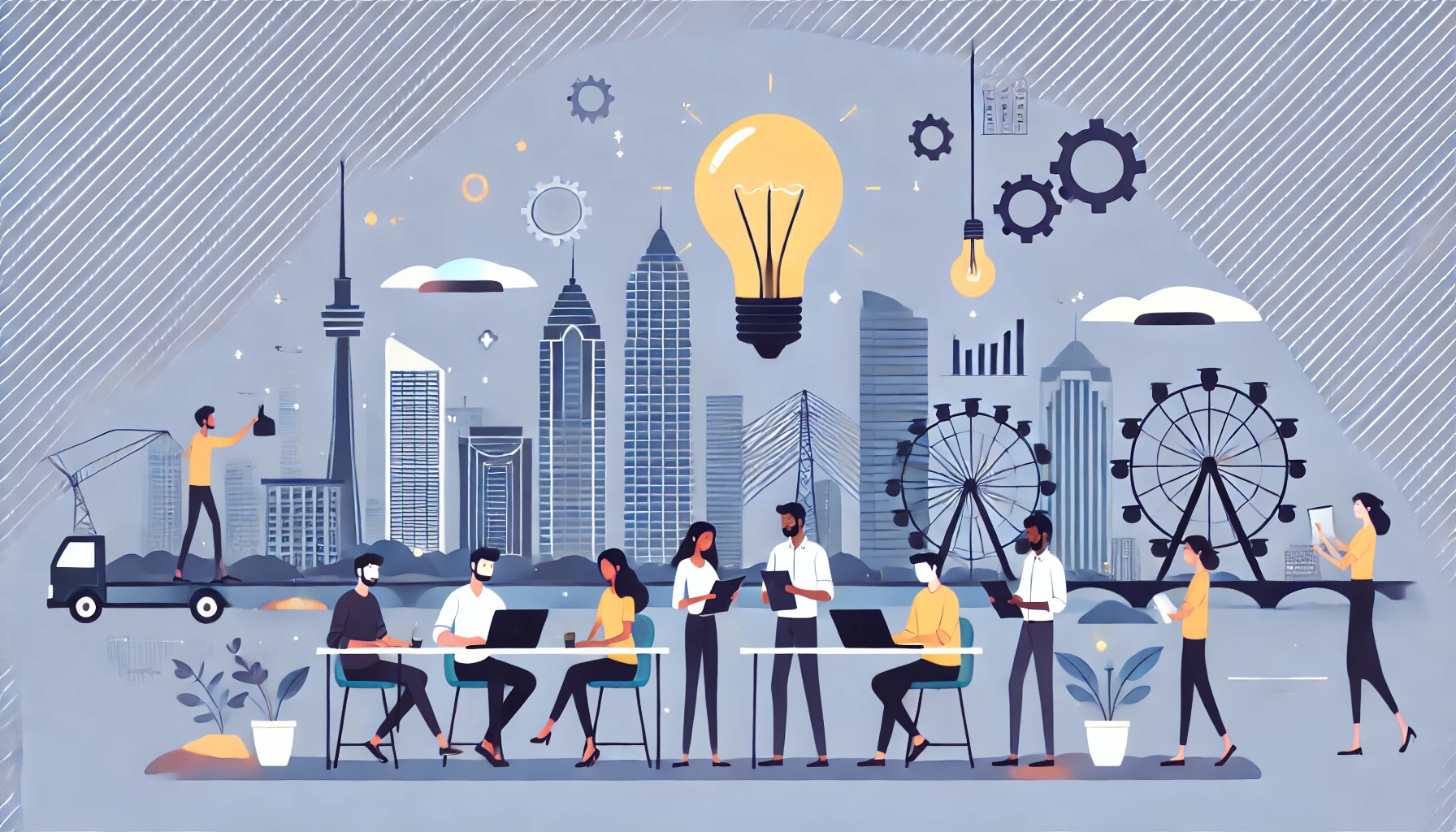
Jeff Bezos has stepped into the spotlight again with an ambitious move that could reshape global manufacturing. He plans to raise an enormous $100 billion fund to build and scale an AI-driven manufacturing ecosystem. This initiative signals a powerful shift in how startups approach industrial innovation.
Bezos does not chase small ideas. He targets foundational systems. With this new venture, he focuses on transforming how factories operate, how supply chains function, and how products reach consumers.
The Vision Behind the $100 Billion Fund
Bezos wants to merge artificial intelligence with traditional manufacturing. He believes factories should think, adapt, and optimize themselves in real time. His initiative, reportedly linked to a project called “Project Prometheus,” aims to modernize outdated industrial systems.
He envisions factories that rely on machine learning to predict demand, adjust production, and reduce waste. These factories will not depend on rigid processes. Instead, they will operate as flexible, intelligent systems.
This vision creates opportunities for startups that build AI tools, robotics, and automation platforms. Bezos positions his fund as both a capital engine and a strategic ecosystem builder.
Why Manufacturing Needs Reinvention
Global manufacturing still relies on legacy systems. Many factories use outdated machinery and inefficient workflows. These inefficiencies increase costs, slow production, and limit innovation.
Bezos sees a clear gap. He understands that software transformed industries like retail and media. Now, AI can transform manufacturing in the same way.
He wants to bring speed, precision, and adaptability into industrial production. AI can reduce human error, optimize resource usage, and accelerate product cycles. These advantages can give companies a competitive edge in a rapidly evolving global market.
How AI Will Power the Transformation
AI will sit at the core of this initiative. Bezos focuses on several key areas:
Smart Automation
AI-powered robots will handle repetitive and complex tasks. These robots will learn from data and improve over time.
Predictive Maintenance
Factories will use AI to detect equipment issues before failures occur. This approach reduces downtime and saves costs.
Supply Chain Intelligence
AI systems will analyze global supply chains and adjust operations instantly. Companies will respond faster to disruptions.
Custom Manufacturing
Factories will produce personalized products at scale. AI will enable flexibility without sacrificing efficiency.
This combination of technologies will create a new generation of “smart factories.”
Impact on Startups and Innovation
Bezos does not plan to build everything alone. He will invest in startups that align with his vision. This approach creates a massive opportunity for founders working in AI, robotics, and industrial tech.
Startups can benefit in several ways:
- Access to large-scale funding
- Strategic partnerships with industrial players
- Opportunities to test and deploy technology in real-world environments
This fund could become one of the most influential startup ecosystems in the world. It will likely attract top talent from engineering, AI research, and manufacturing sectors.
Competitive Landscape
Bezos does not operate in isolation. Major tech companies already invest heavily in AI and automation.
Amazon has already integrated robotics into its warehouses.
Tesla continues to automate its factories.
NVIDIA powers many AI systems used in industrial applications.
However, Bezos takes a broader approach. He does not focus on a single company or product. He aims to reshape an entire industry through a network of startups and technologies.
Economic and Global Implications
This initiative could influence global trade and industrial power. Countries that adopt AI-driven manufacturing will gain a strong advantage.
The fund could:
- Boost productivity across industries
- Reduce dependency on low-cost labor
- Reshape global supply chains
- Encourage local manufacturing in developed markets
However, this transformation also raises concerns. Automation could replace certain jobs. Governments and companies must address workforce transitions and reskilling.
Challenges Ahead
Despite its scale, the initiative faces several challenges:
High Capital Risk
Deploying $100 billion requires careful planning and execution. Misallocation could slow progress.
Technology Integration
Combining AI with legacy systems will require complex engineering solutions.
Talent Shortage
AI and robotics demand highly skilled professionals. The talent pool remains limited.
Regulatory Barriers
Governments may impose regulations on AI and automation, especially in critical industries.
Bezos must navigate these challenges while maintaining momentum.
What This Means for the Future
This move signals a new era for startups. The next wave of unicorns may not emerge from social media or fintech. Instead, they may rise from industrial AI and manufacturing technology.
Bezos pushes the startup world toward deeper, more complex problems. He encourages founders to think beyond apps and platforms. He wants them to build systems that power the physical world.
If successful, this initiative could redefine how products get made. It could also shift the center of innovation from software-only startups to hardware-AI hybrids.
Conclusion
Jeff Bezos has once again set his sights on a massive transformation. His $100 billion AI manufacturing fund reflects a bold belief in the future of intelligent industry.
He does not follow trends—he creates them. By combining capital, technology, and vision, he aims to reshape manufacturing at a global scale.
Startups, investors, and governments will watch closely. The success of this initiative could determine the next chapter of industrial innovation.
Also Read – How to Stay Motivated When Revenue Is Zero