
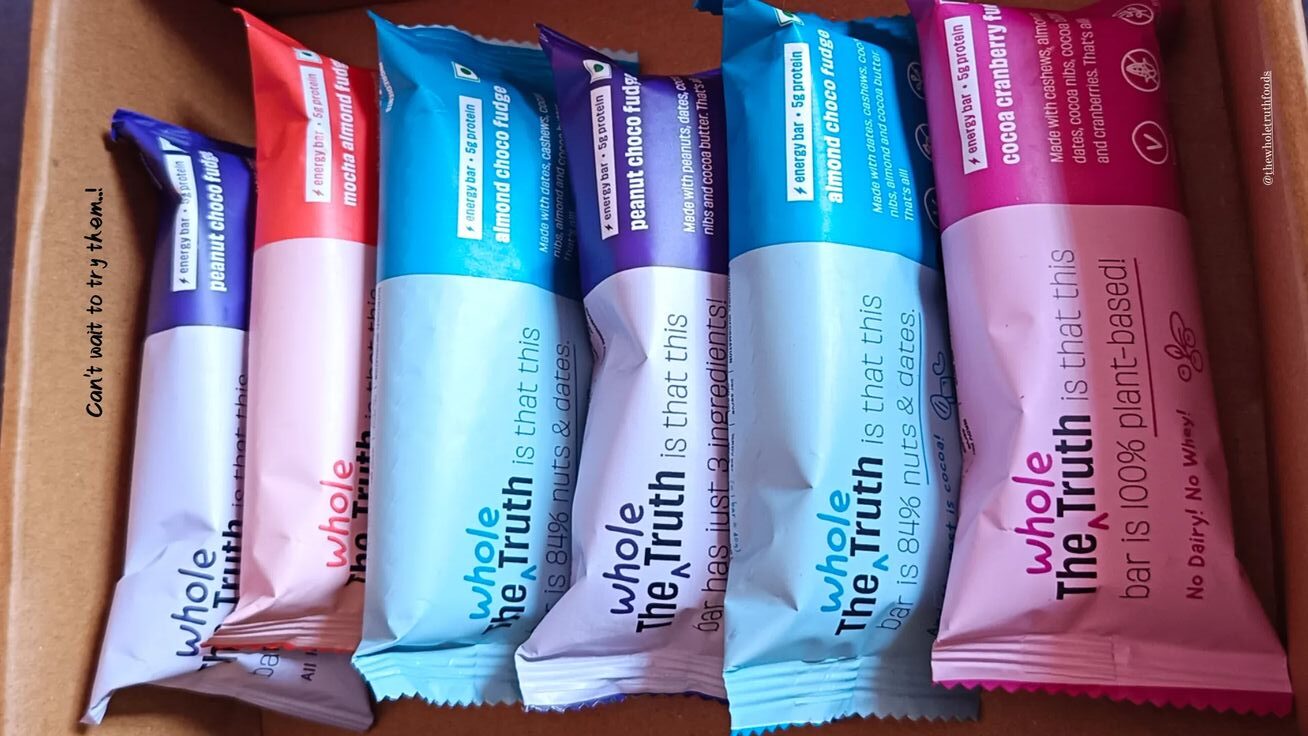
In an era where food labels often confuse more than they clarify, The Whole Truth has positioned itself as a rare exception. Founded in 2019, the Mumbai-based startup has built its identity around a bold promise: complete transparency in packaged food. No hidden sugars. No artificial additives. No vague ingredient names. Just real food made with ingredients consumers recognize.
What began as a mission-driven experiment in the clean-label space has now evolved into one of India’s fastest-growing direct-to-consumer (D2C) food brands. With strong revenue growth, repeat customer loyalty, and a recent $51 million Series D funding round in 2026, The Whole Truth is no longer just a challenger brand—it is preparing for a long-term institutional journey, including IPO ambitions.
The Founder’s Vision
The Whole Truth was founded by Shashank Mehta, a former Unilever executive who left the corporate world to address what he saw as a systemic issue in the food industry: misleading marketing and over-processed “health” foods.
Initially launched under the name “And Nothing Else,” the brand rebranded to The Whole Truth to better reflect its philosophy. The mission was simple but powerful—create packaged foods that are as honest as homemade alternatives.
Instead of focusing on aggressive advertising or celebrity endorsements, the brand focused on education. Packaging listed ingredients clearly and explained why each one was included. The brand voice consistently encouraged customers to question what they were eating.
That positioning resonated deeply with urban, health-conscious Indian consumers.
Product Portfolio and Differentiation
The Whole Truth operates in the growing healthy snacks and nutrition segment in India, estimated to be worth roughly ₹80,000 crore (around $10 billion). The brand competes in categories such as:
- Protein bars
- Protein powders
- Nut butters
- Dark chocolates
- Muesli and breakfast products
Unlike conventional players, the startup avoids artificial preservatives, emulsifiers, and added refined sugars. Many of its protein bars, for example, are made using dates, nuts, cocoa, and whey protein—without synthetic flavor enhancers.
Its differentiation strategy rests on three pillars:
- Clean ingredient lists
- Transparent communication
- Premium but accessible positioning
While several competitors have begun adopting “natural” messaging, The Whole Truth was among the earliest Indian startups to build transparency as its core brand DNA rather than a marketing tactic.
Business Model: D2C First, Omnichannel Next
The Whole Truth began as a D2C-first brand, selling primarily through its own website. This allowed the company to control customer experience, gather first-party data, and build strong repeat purchase behavior.
Over time, the company expanded into online marketplaces and quick commerce platforms while also increasing offline retail presence. Today, it follows an omnichannel model, combining:
- Direct online sales
- Marketplace distribution
- Retail expansion
- Food delivery platform integration
The D2C foundation remains critical because it enables higher margins and deeper consumer engagement compared to pure offline distribution.
Revenue Growth and Financial Trajectory
One of the most significant indicators of the startup’s momentum is its reported 230% year-on-year revenue growth leading up to its latest funding round. This kind of acceleration signals not just market acceptance but also operational scaling capability.
Strong repeat purchases and customer retention have been key contributors to this growth. In the D2C food category, repeat behavior is crucial—acquiring customers is expensive, and profitability depends on lifetime value exceeding acquisition costs.
While exact revenue figures are not publicly disclosed in full detail, industry reports suggest that the company has crossed significant revenue milestones and is moving toward sustainable scale.
The brand’s pricing strategy positions it as premium but not luxury, allowing it to maintain healthy margins while serving a broad urban consumer base.
The $51 Million Series D Funding Round
In 2026, The Whole Truth raised $51 million in a Series D funding round. The round was co-led by Belgian investment firm Sofina and Sauce.vc, with participation from existing investors such as Peak XV Partners, Rainmatter Health, and Ayra Ventures.
This funding milestone is important for several reasons:
- It reflects institutional confidence in Indian clean-label food brands.
- It strengthens the company’s balance sheet for scaling operations.
- It signals preparation for eventual public market entry.
The capital is expected to be deployed toward:
- Manufacturing expansion
- Strengthening supply chain infrastructure
- Building governance systems
- Scaling brand and distribution
Reports indicate that the valuation increased significantly compared to previous rounds, highlighting investor optimism about long-term category growth.
IPO Ambitions and Governance Readiness
Perhaps the most strategic shift in 2026 is the company’s positioning toward an IPO journey. While no official listing date has been announced, leadership has reportedly begun strengthening financial systems, compliance frameworks, and operational processes aligned with public market expectations.
Transitioning from a fast-moving startup to a potential publicly listed FMCG company requires:
- Strong internal governance
- Consistent profitability trajectory
- Scalable supply chain management
- Institutional-grade financial reporting
If successful, The Whole Truth could join a small but growing cohort of Indian D2C brands that transition into public markets.
Competitive Landscape
The healthy snacks and nutrition space in India is becoming increasingly competitive. Brands such as Oziva, Yogabar, and Max Protein operate in overlapping categories.
As more brands adopt clean-label positioning, differentiation becomes more challenging. The Whole Truth must maintain:
- Ingredient integrity
- Product innovation
- Strong brand storytelling
- Pricing discipline
Category crowding also means increased marketing costs. Digital advertising expenses continue to rise, making organic brand loyalty and community engagement even more important.
Operational Challenges
Scaling a clean-label food business presents unique hurdles:
- Ingredient sourcing: Maintaining quality without preservatives demands tighter supply control.
- Shelf life management: Natural products often have shorter stability periods.
- Cost volatility: Commodity prices can impact margins significantly.
- Distribution scaling: Expanding offline retail reduces margin compared to D2C sales.
Balancing growth with profitability will determine long-term success.
Brand Philosophy as Strategic Moat
While funding and revenue are important, the real moat of The Whole Truth lies in trust. The brand has cultivated a community that values honesty over hyperbole.
Instead of focusing solely on “high protein” or “low sugar” claims, the company explains what each ingredient does and why it is included. That educational approach builds emotional loyalty.
In a market where food skepticism is rising, transparency becomes a competitive advantage.
The Road Ahead
Looking ahead, The Whole Truth stands at a pivotal moment:
- It has secured late-stage funding.
- It has demonstrated rapid revenue growth.
- It operates in a fast-growing ₹80,000 crore market.
- It is signaling IPO readiness.
The next phase will require disciplined scaling, stronger profitability metrics, and continuous product innovation.
If it successfully transitions from a mission-driven startup into a scalable FMCG powerhouse without compromising its clean-label promise, The Whole Truth could redefine how Indian consumers evaluate packaged food.
In a country where trust in food brands is often fragile, the company’s commitment to radical transparency may not just be a marketing differentiator—it may become the industry standard.
The Whole Truth began as a response to misleading labels. In 2026, it stands as one of India’s most watched consumer startups. Its journey from D2C disruptor to potential public company will determine whether transparency can truly scale.
And that, perhaps, will be the real whole truth.
Also Read – Why Boring Startups Make More Money