
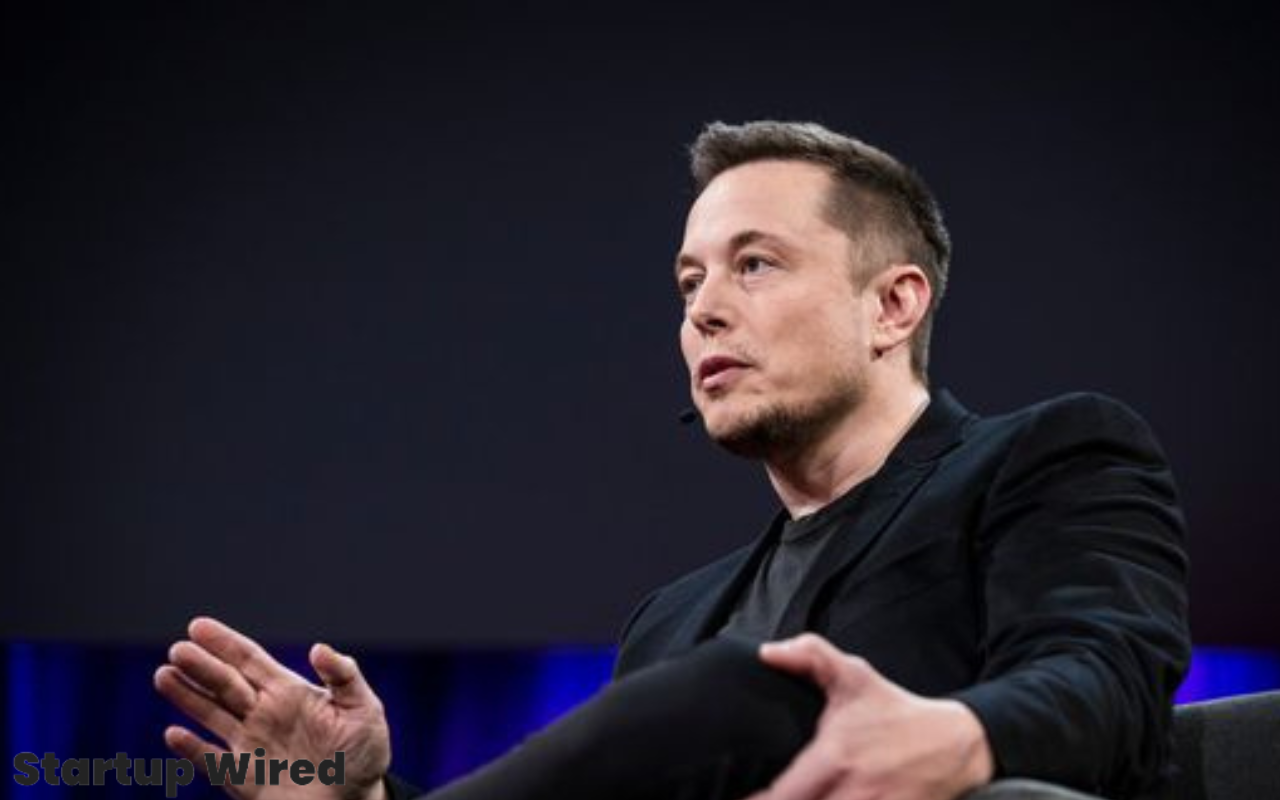
Tesla made headlines after committing $2 billion to xAI, the artificial intelligence startup founded by Elon Musk. The decision triggered sharp reactions from investors who questioned both the timing and the governance behind the move. Tesla already faces intense competition in electric vehicles and growing pressure to deliver consistent profitability. Yet the company chose to double down on artificial intelligence through a massive capital infusion into a venture that Musk also controls.
This investment marks one of Tesla’s boldest strategic shifts in recent years. It connects Tesla’s future more closely with Musk’s broader AI ambitions and places the company at the center of a fast-moving technological arms race.
Why Tesla Invested in xAI
Tesla aims to accelerate its AI roadmap through this investment. The company depends heavily on machine learning for autonomous driving, robotics, and energy optimization. xAI focuses on building large language models and next-generation AI systems designed to compete with OpenAI, Google DeepMind, and Anthropic.
By funding xAI, Tesla seeks direct access to advanced research, computing infrastructure, and top-tier AI talent. Tesla leaders believe that closer integration between Tesla’s data and xAI’s models can improve Full Self-Driving software, Tesla Bot development, and in-car intelligence systems.
Elon Musk framed the investment as a strategic necessity. He argued that Tesla must control its own AI destiny rather than rely on external partners. Musk previously co-founded OpenAI but later cut ties, citing concerns over direction and transparency. With xAI, he now controls both the vision and execution.
The Scale of the Investment
A $2 billion commitment represents a substantial portion of Tesla’s cash reserves. The size alone raised eyebrows across financial markets. Few public companies deploy that level of capital into a startup controlled by the same CEO without facing scrutiny.
Tesla plans to channel much of the funding into data centers, high-performance chips, and training massive AI models. xAI already operates large computing clusters designed to rival the infrastructure of established tech giants. This investment accelerates that buildout and positions xAI as a serious contender in the generative AI race.
Analysts note that Tesla now behaves less like a pure automaker and more like a hybrid technology conglomerate. The company blends car manufacturing with software, robotics, and artificial intelligence research.
Shareholder Opposition and Governance Concerns
Despite the strategic narrative, many shareholders strongly opposed the move. Critics argued that Tesla blurred the line between corporate strategy and Musk’s personal ventures. They questioned whether Tesla shareholders would receive proportional benefits from xAI’s growth.
Some investors accused the company of exposing itself to conflicts of interest. Musk leads Tesla, SpaceX, and xAI simultaneously. That structure makes it difficult to separate corporate priorities from personal ambition.
Several shareholder groups demanded clearer disclosures and stronger safeguards. They want Tesla’s board to explain how it will measure returns on the investment and how it will protect shareholder value if xAI struggles.
Legal experts highlighted the risks of related-party transactions. When a CEO controls both sides of a deal, regulators and courts often apply stricter standards. Tesla’s board must demonstrate that the investment serves Tesla first, not Musk.
Strategic Advantages for Tesla
Supporters of the investment emphasize its long-term potential. Tesla already collects enormous amounts of driving data from millions of vehicles worldwide. That dataset fuels AI training for autonomous systems. By pairing this data with xAI’s computing power, Tesla can develop smarter and safer self-driving technology.
The partnership could also speed up Tesla Bot, the humanoid robot project that Musk promotes as a future growth engine. Advanced language models and vision systems can give these robots more autonomy and flexibility in real-world environments.
In addition, Tesla can reduce dependence on external AI providers. Instead of paying licensing fees or relying on third-party platforms, Tesla can integrate xAI’s technology directly into its products.
This vertical integration mirrors Tesla’s approach to batteries and manufacturing. The company prefers to own critical components rather than outsource them.
Market Reaction and Industry Impact
The market responded with mixed signals. Tesla’s stock showed volatility as investors weighed innovation against risk. Some analysts praised the boldness of the move, while others warned about overextension.
Competitors watched closely. Automakers such as General Motors and Volkswagen invest heavily in software and AI, but none have made such a direct and concentrated bet on a single AI startup tied to their CEO.
The deal also intensifies competition within the AI sector. xAI now stands as a well-funded rival to companies backed by Microsoft, Google, and Amazon. Tesla’s brand and data resources give xAI unique leverage that few startups can match.
This move highlights a broader trend: industrial companies increasingly view AI as a core asset rather than a support tool. Manufacturing, logistics, and transportation firms now compete with tech giants for AI dominance.
Risks and Unanswered Questions
The investment carries significant risks. AI development requires enormous capital with uncertain timelines for returns. xAI must prove that it can produce commercially valuable models, not just research prototypes.
Tesla also faces execution challenges. The company already juggles vehicle production, battery innovation, and global expansion. Adding deeper involvement in AI infrastructure could stretch management focus.
Another concern involves regulation. Governments worldwide scrutinize both autonomous driving and artificial intelligence. Any major failure or ethical controversy could damage Tesla’s reputation and slow adoption.
Finally, investors question opportunity cost. Tesla could have used $2 billion for factory expansion, share buybacks, or debt reduction. The company instead chose a high-risk, high-reward path.
What This Means for Tesla’s Future
Tesla’s investment in xAI signals a transformation. The company no longer defines itself only as an electric car maker. It now positions itself as an AI-first enterprise with ambitions that extend into robotics, software, and cognitive systems.
If xAI succeeds, Tesla could gain a powerful competitive advantage across multiple industries. Its vehicles could become smarter, its robots more capable, and its ecosystem more integrated.
If xAI fails, Tesla may face financial losses and deeper shareholder unrest. The controversy already exposes tension between Musk’s visionary leadership style and investors’ demand for discipline and transparency.
Conclusion
Tesla’s $2 billion investment in xAI represents one of the most daring corporate moves in recent technology history. The decision ties Tesla’s future more closely to Elon Musk’s AI vision and intensifies debate over governance, strategy, and risk.
Supporters see a bold leap toward technological leadership. Critics see a dangerous concentration of power and capital. Either way, this move reshapes Tesla’s identity and places it at the center of the global AI race.
The outcome will not only define Tesla’s next decade but also influence how public companies approach artificial intelligence investments. Tesla has chosen ambition over caution. Now the market waits to see whether that ambition delivers transformative results or costly lessons.
Also Read – Top 10 E-commerce Startups