
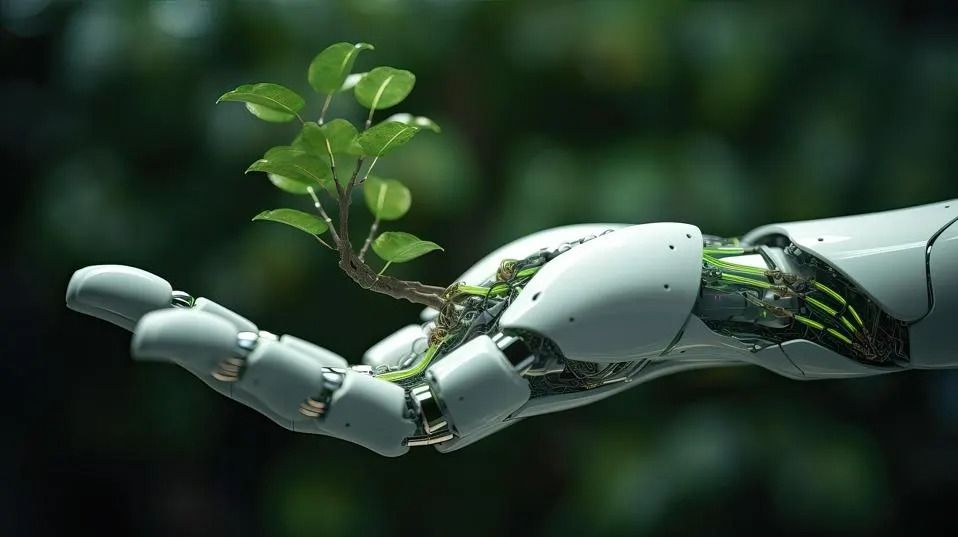
The startup ecosystem in 2026 is defined by rapid innovation, widespread adoption of artificial intelligence, and a global shift toward digital-first solutions. Entrepreneurs today have access to tools, platforms, and markets that were unimaginable just a decade ago. With global venture funding still in the hundreds of billions and AI alone attracting nearly half of all startup investments, the opportunity to build something meaningful has never been greater.
However, the real challenge is not just starting a business—it is choosing the right idea. The most successful startups today are those that solve real problems, leverage technology effectively, and scale efficiently. This article presents 50 startup ideas you can build this year, grouped by high-growth sectors and aligned with current market demand.
AI & Automation Startups (1–10)
Artificial intelligence is at the center of modern innovation. Businesses across industries are adopting AI to reduce costs, improve efficiency, and create better user experiences.
- AI content creation platform for marketing teams
- AI-powered customer support automation tools
- Personal AI assistants for productivity and scheduling
- AI-based resume optimization and job matching platforms
- AI video generation and editing software
- Data labeling and training marketplaces for AI models
- AI-driven cybersecurity threat detection systems
- AI-powered sales outreach and CRM automation
- Legal document automation using AI
- AI coding assistants and developer tools
The demand for AI solutions is driven by businesses seeking automation at scale. Startups that simplify AI adoption for non-technical users have a particularly strong advantage.
Fintech & Digital Economy (11–18)
Financial technology continues to disrupt traditional banking and financial services. The integration of AI into fintech is unlocking new opportunities.
- Micro-investment platforms for beginners
- AI-based fraud detection and risk analysis tools
- Cross-border payment solutions with low fees
- Subscription tracking and management apps
- Alternative credit scoring platforms
- Crypto tax and compliance tools
- Embedded finance APIs for startups and apps
- Personal finance coaching and budgeting apps
As financial inclusion becomes a global priority, startups that serve underserved populations or simplify financial management will continue to grow rapidly.
E-commerce & Consumer Startups (19–25)
E-commerce is evolving beyond simple online stores into highly personalized and immersive experiences.
- Niche direct-to-consumer brands (eco-friendly, fitness, pet care)
- AI-driven product recommendation engines
- Print-on-demand platforms for custom products
- Social commerce platforms for creators and influencers
- Subscription box services for curated products
- Quick-commerce delivery platforms
- Augmented reality shopping experiences
Consumer behavior is shifting toward convenience, personalization, and community-driven purchasing decisions, making this space highly dynamic.
Sustainability & Climate Tech (26–32)
Sustainability is no longer optional. Governments, investors, and consumers are all prioritizing environmentally responsible solutions.
- Carbon footprint tracking applications
- Sustainable packaging solutions for businesses
- Electric vehicle charging infrastructure platforms
- Food waste reduction marketplaces
- Renewable energy management software
- Water conservation technologies
- Circular economy platforms for resale and reuse
Climate tech startups are gaining strong investor interest, especially those that combine profitability with measurable environmental impact.
Health & Wellness Startups (33–38)
Healthcare is undergoing a digital transformation, with technology enabling better access and improved outcomes.
- AI-powered telemedicine platforms
- Mental health apps and therapy chatbots
- Wearable health monitoring systems
- Personalized nutrition and fitness apps
- Remote patient monitoring tools
- AI-driven recovery and rehabilitation assistants
The growing awareness of mental and physical health, combined with advances in AI, is driving innovation in this sector.
EdTech & Skill Economy (39–43)
Education is shifting from traditional degrees to skill-based learning. People are increasingly investing in continuous education.
- AI-powered personalized learning platforms
- Micro-learning apps for busy professionals
- Niche online course marketplaces
- AI language learning tutors
- Career transition and upskilling platforms
With remote work and digital careers on the rise, demand for flexible and accessible education is stronger than ever.
B2B SaaS & Productivity (44–50)
B2B software remains one of the most scalable and profitable startup models. Businesses are constantly seeking tools to improve efficiency.
- Workflow automation platforms
- Remote collaboration tools for distributed teams
- No-code and low-code app development platforms
- AI-powered HR and recruitment tools
- Business intelligence and analytics dashboards
- API marketplaces for developers
- Industry-specific vertical SaaS solutions
Startups in this category benefit from recurring revenue models and long-term customer relationships.
Key Startup Trends in 2026
To succeed in today’s market, understanding trends is essential.
AI-First Approach:
Most successful startups are built with AI at their core rather than as an add-on feature.
Capital Efficiency:
Investors are prioritizing startups that can grow sustainably without excessive spending.
Global Talent Access:
Remote work has made it possible to build teams from anywhere, reducing costs and increasing diversity.
Regulation Awareness:
Compliance is becoming increasingly important, especially in sectors like fintech and AI.
Niche Focus:
Startups targeting specific audiences or industries often outperform those trying to serve everyone.
How to Choose the Right Startup Idea
With so many opportunities, selecting the right idea can be overwhelming. Here are a few guiding principles:
Solve a Real Problem:
The best startups address clear pain points experienced by a specific group of people.
Validate Early:
Test your idea with real users before investing heavily in development.
Leverage Your Strengths:
Choose an idea that aligns with your skills, experience, or interests.
Focus on Execution:
An average idea executed well is better than a great idea executed poorly.
Think Long-Term:
Consider whether your idea can scale and adapt over time.
Final Thoughts
Building a startup in 2026 is both exciting and challenging. The tools available today allow entrepreneurs to move faster than ever before, but competition is also more intense. The difference between success and failure often comes down to execution, timing, and adaptability.
The ideas listed in this article are not just trends—they represent real opportunities shaped by current market demands. Whether you choose to build in AI, fintech, sustainability, or any other sector, the key is to start.
Take action, test your assumptions, and refine your approach as you go. Every successful startup begins with a simple idea and the courage to pursue it.
ALSO READ: Fino Bank Delays CEO Decision Amid RBI Review Wait