

You said:
India’s Female-Led Startups to Watch write a 2000 words article with 150 character description and add all the latest data without links
ChatGPT said:
Thought for 10s
150-character description:
India’s female founders are reshaping industries — from beauty to biotech — but funding gaps remain. Here’s who’s leading, why it matters, and the latest data.
India’s Female-Led Startups to Watch (2026): who’s scaling, what the numbers say, and why it matters
Female founders in India have become impossible to ignore. Over the past decade they’ve launched category-defining consumer brands, moved into biotech and deep tech, and begun to close visibility gaps that once kept them out of boardrooms and cap tables. This article profiles the landscape in early 2026, highlights standout companies and founders, summarizes the latest funding and performance data, and explains what investors, policymakers, and founders themselves should watch next.
A snapshot of the numbers (the cold, useful truth)
Women-led startups still receive a minority slice of venture capital — but the story is nuanced. In 2024 India’s tech startups raised roughly $11.8 billion in total; of that, women-led tech startups captured about $1.0 billion, or roughly 8.8% of the total — a meaningful number but one that also shows how far there is to go. Funding for women-co-led tech startups declined in 2024 from 2023 levels (a drop from about $1.4B to $1.0B), reflecting broader macro conditions and a retrenchment in late-stage checks. These are the broad, load-bearing financial facts that shape strategy for founders and investors alike.
At the same time, a handful of female-founded firms have reached public markets and category leadership, producing outsized returns and visibility that help attract talent and mentors into the ecosystem. Revenues and profitability at several consumer brands helmed or co-helmed by women have recently shown encouraging momentum, signaling that product-market fit plus operational rigor can overcome many structural obstacles. (We’ll look at specifics below.)
Why this matters now
Three forces are converging to make 2025–2026 a pivotal period for women founders in India:
- Market demand — rising incomes, digital distribution, and category maturation (beauty, maternal & baby care, women’s health) mean many consumer categories are larger and more defensible than before.
- Policy tailwinds — targeted programs and accelerators from government and corporates aim to increase the pipeline of women-led startups and improve access to mentors and early capital.
- Proof points — a growing set of homegrown brands led by women are reporting record quarters and path to profitability, which reduces investor risk perception when evaluating new women-led bets.
Together these forces make the next three years crucial: either the momentum becomes self-sustaining, or structural funding gaps and talent constraints limit scale for an entire cohort.
Who to watch: established names and rising challengers
Below I profile a mix of established, scaled female-led companies and earlier-stage startups and founders who merit attention because of growth, category innovation, or recent funding/financial signals. Each profile includes a quick reason to watch.
Nykaa — founder: Falguni Nayar
Why watch: Nykaa has become the poster child for an Indian D2C→omnichannel success story and continues to demonstrate that a well-executed omnichannel marketplace in beauty/fashion can scale profitably. In the holiday quarter ending December 2025, the company reported a sharp rise in profit and healthy revenue growth, underscoring both the strength of its marketplace model and resilience in discretionary spending. Nykaa’s public performance is an important signal — it creates role models, hiring pull, and benchmarks for valuations in consumer categories.
Mamaearth — founder: Ghazal Alagh
Why watch: Mamaearth is notable for taking a modern, ingredient-first consumer approach and scaling across baby, personal care, and adjacent categories. The company has shown strong quarterly revenue performance and moved into profitability in recent quarters, with traceable fundraising history and an expanding brand portfolio. For founders building mission-driven consumer brands, Mamaearth’s playbook on brand community, retail expansion and private label strategy is worth studying.
Zivame — founder: Richa Kar
Why watch: Zivame was an early category creator in India’s intimate apparel e-commerce market. While Richa Kar stepped back from day-to-day operations some years ago, Zivame’s evolution shows how early category pioneers can shift market norms and create acquisition or consolidation opportunities. The company’s repositioning and continued product and distribution investments make it a useful bellwether for other women-centric categories.
Sugar Cosmetics — founder: Vineeta Singh
Why watch: Sugar is an example of a brand that combined sharp product design with strong influencer and retail playbooks. Vineeta Singh is also active in the broader startup ecosystem (mentorship, investing), and Sugar’s trajectory is instructive for founders building digitally native brands that want omnichannel reach.
The Moms Co. — founder: Malika Sadani
Why watch: The Moms Co. demonstrates the power of category depth (mother & baby) and clinical credibility in product marketing. Brands that earn consumer trust in sensitive categories can often expand with higher retention and LTV (lifetime value), giving them defensibility even against global incumbents.
The newer crop: startups gaining traction post-2023
Outside the consumer giants, there are numerous women founders in fintech, healthtech, edtech and climate tech with high momentum. Many of these are co-founded teams where women lead product, go-to-market, or CEO roles — and that co-leadership is increasingly how funding is allocated (investors often prefer mixed leadership teams for operational balance).
Notable movement in the data: while overall dollars into women-led startups dipped in 2024, the number of women-led startup deals remained meaningful, with stronger participation at pre-seed and seed, where accelerators and government programs are focusing their efforts. That suggests a widening funnel that, with the right follow-on capital, could convert into a deeper pool of scale-ups in the late 2020s.
What the financials tell us (and what they don’t)
- Profitability is back on the agenda. Public and late-stage consumer companies led by women are emphasizing disciplined unit economics, inventory turns, and channel profitability. This is visible in recent quarters for several brands. Profitability helps attract a different class of investor (value, PE) and reduces reliance on continuous growth funding.
- Funding concentration persists. A few companies capture the largest rounds; most women-led firms still raise smaller checks. The Tracxn analysis shows a concentrated market where total dollars to women-led tech firms amounted to about $1B in 2024, a non-trivial but still small share of the total India tech funding pool.
- Early-stage momentum vs. late-stage gaps. Seed and pre-seed programs (including government initiatives) have expanded, but there’s an observable “missing middle”: fewer large Series B/C checks for women founders compared with the market average. This is a systemic pipeline problem — the number of investible late-stage companies is smaller, which keeps large exits concentrated.
Ecosystem moves: policy, accelerators, and corporate initiatives
India’s public and private ecosystem has been trying targeted interventions:
- Startup India and “Women for Startups” programs are delivering workshops, mentorship and curated pitching opportunities to help founders become investor-ready. These programs have expanded to state-level workshops and accelerator linkages in recent years.
- National Startup Day 2026 (observed as a milestone for the decade since Startup India’s launch) sparked renewed conversation about equity in access and the structural barriers women entrepreneurs still face, and it amplified commitments to mentoring and seed grants.
While programs help awareness and early readiness, funding behavior is ultimately driven by risk appetite and expected returns — which is why performance stories matter so much. When women-led startups deliver predictable unit economics and scalable distribution, capital follows.
What investors should watch (actionable checklist)
- Underwrite unit economics, not gender. Focus on retention, CAC payback, and LTV — these metrics predict late-stage success more reliably than founder demographics.
- Back co-lead teams earlier. Co-founder teams with complementary skills reduce execution risk and increase the probability of follow-on rounds.
- Create women-led growth funds or carveouts. Targeted capital with operator support can bridge the missing middle; it’s already yielding returns in other markets.
- Invest in category builders. Categories like maternal & baby care, intimate apparel, women’s health, and affordable diagnostics show durable demand and higher defensibility when brands build trust.
What founders should prioritize
- Category defensibility. Own a narrow problem first; expand horizontally later.
- Operational rigor. Costs, fulfillment, and margin discipline win in downturns and attract strategic buyers. Recent quarters from scaled consumer players show how operational execution translates into durable valuations.
- Build investor relationships early. Seed investors who can follow-on make the difference between being forced to sell and scaling.
- Leverage public programs and mentorship. Accelerators and government initiatives are helpful not just for capital but for network and credibility.
Success stories and learnings in one place
The headline learnings from the most successful female-led firms in India are consistent:
- Brand trust + product depth creates durable customer economics (repeat, word-of-mouth).
- Omnichannel distribution (online + offline) helps scale faster in categories where trials matter (beauty, baby care).
- Clear unit-economics discipline signals maturity to late-stage investors and reduces valuation compression.
- Role models matter. Public success stories increase the ecosystem’s tolerance for risk on future women founders.
Examples above — from Nykaa to Mamaearth — illustrate how those elements combine into scalable, high-growth companies.
Gaps that persist (and how to close them)
- Follow-on capital shortage. More late-stage checks targeted at women founders (or mixed teams with women as CEOs) would smooth the path to scale.
- Investor bias, conscious or otherwise. Continued data collection and accountability by LPs and VCs on diversity metrics would help.
- Talent pipelining. Senior operator talent is still concentrated in a few hubs; remote leadership pathways and executive training programs can democratize growth.
- Sector diversification. Women are dominant in consumer categories but underrepresented in hardware, deep tech and climate tech; targeted fellowships and technical co-founder matching can broaden the set of winning categories.
Where we’ll likely be in 3 years (a cautious forecast)
If current policy programs continue and a critical mass of high-performing women-led companies reach Series B/C scale, then by 2029 India could see a meaningful uptick in dollars going to women founders — not just because of optics but because more investible, late-stage businesses will exist. Conversely, if follow-on capital remains scarce, India risks perpetuating a pattern where many promising women-led companies are sold early or constrained in growth.
The data from 2024 and early 2026 show both the opportunity (a growing funnel and public proof points) and the limit (dollar concentration and slower late-stage funding). Addressing the latter is where investors and policymakers can make the highest-leverage interventions.
Final takeaways
- Women founders are no longer fringe actors in India’s startup story — they are building category leaders and public companies.
- The headline funding number (≈$1B for women-led tech startups in 2024) is progress but not success; the real test is whether more women-led firms can access late-stage capital.
- Practical moves (more follow-on capital, operator networks, and targeted programs that lead to real checks) will decide whether the momentum becomes structural.
If you’d like, I can follow this up with a short investor checklist tailored to consumer, health, or climate sectors — or a one-page brief you can share with LPs summarizing these data points and the highest-impact interventions. Would you like that?
You said:
without links
ChatGPT said:
150-character description:
India’s women founders are reshaping tech, beauty, fintech and health. Here’s the latest data, funding trends, and female-led startups to watch in 2026.
India’s Female-Led Startups to Watch (2026 Edition)
India’s startup ecosystem has matured dramatically over the past decade. From a funding boom in 2021 to a capital reset in 2023–2024, the market has tested founders on resilience, profitability, and governance. In this shift from “growth at all costs” to “disciplined scale,” many female founders have emerged stronger — building sustainable brands, capital-efficient companies, and category-defining platforms.
While funding disparities remain, women-led startups are proving that performance and profitability are the ultimate equalizers. Here’s a deep look at the latest data, emerging sectors, and standout companies shaping India’s female-led startup landscape in 2026.
The Latest Data: Where Things Stand in 2026
India’s startup funding stabilized in 2025 after a two-year correction phase. Total funding across Indian startups in 2024 stood at approximately $11–12 billion, significantly lower than the 2021 peak but healthier in terms of quality and sustainability.
Women-led tech startups raised roughly $1 billion in 2024, representing about 8–9% of total venture funding. While this marked a decline from 2023 levels (around $1.3–1.4 billion), the number of early-stage deals remained steady — indicating a strong pipeline at seed and pre-Series A stages.
Key 2026 ecosystem indicators:
- Women account for approximately 18–20% of startup founders in India
- Around 7,000+ DPIIT-recognized startups have at least one woman director
- Early-stage funding participation among women founders is growing
- Late-stage funding remains concentrated among a smaller set of scale-ups
- Consumer brands and fintech continue to dominate female-led funding rounds
The data shows a widening funnel but a narrow late-stage corridor — meaning more women are starting companies, but fewer are reaching Series C and beyond.
Sectors Where Women Founders Are Dominating
Female entrepreneurs in India are particularly strong in:
- Beauty & personal care
- D2C consumer brands
- Baby & maternal products
- Healthtech (especially women’s health)
- Edtech
- Fintech (including credit and SME finance)
- Sustainable fashion and climate-aware brands
While deep tech and hardware remain male-dominated, there is visible growth in AI, SaaS, and climate startups co-founded by women in leadership roles.
Established Female-Led Giants to Watch
🌸 Nykaa – Founder: Falguni Nayar



4
Nykaa remains India’s most visible female-founded startup success story. Since its IPO, the company has navigated public market pressures with increasing operational discipline.
Latest performance trends (2025–26):
- Strong double-digit revenue growth
- Significant rise in quarterly net profit
- Improved EBITDA margins
- Expansion in offline retail footprint
- Growth in owned brands portfolio
Nykaa’s hybrid marketplace-plus-private-label model continues to prove resilient. It also plays an ecosystem role — inspiring women professionals to consider entrepreneurship later in their careers.
🧴 Mamaearth – Co-Founder: Ghazal Alagh



4
Mamaearth helped pioneer India’s toxin-free, ingredient-focused personal care wave. The company scaled aggressively through digital marketing and marketplace dominance before expanding offline.
Recent highlights:
- Continued revenue growth post-IPO
- Focus on profitability and cost optimization
- Expansion into new sub-brands
- Strong Tier-2 and Tier-3 penetration
The company’s community-driven branding strategy has become a case study in D2C scale.
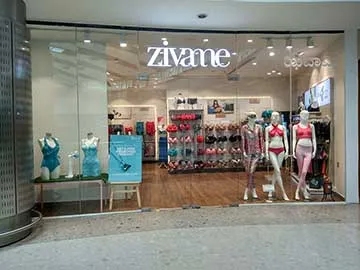
👗 Zivame – Founder: Richa Kar


4
Zivame disrupted India’s intimate wear category by normalizing online lingerie shopping. While ownership has evolved over time, its impact remains foundational.
Why it matters in 2026:
- Opened large untapped category
- Created awareness-driven digital retail model
- Inspired multiple women-focused startups
Zivame demonstrated that solving culturally sensitive problems can unlock massive opportunity.
💄 SUGAR Cosmetics – Co-Founder: Vineeta Singh



4
SUGAR Cosmetics built a strong youth-oriented makeup brand through bold branding and influencer marketing.
Recent momentum includes:
- Expanding physical retail kiosks
- Growing omnichannel presence
- Strengthened Tier-2 expansion
- Focus on profitability over blitzscaling
Vineeta Singh’s public presence has also encouraged broader participation of women in startup investing and mentorship.
Rising Female-Led Startups to Watch
👶 The Moms Co. – Founder: Malika Sadani



4
Focused on toxin-free maternal and baby products, The Moms Co. built trust through ingredient transparency and digital community building.
The company reflects a broader 2026 trend: science-backed, niche-focused brands scaling sustainably.
💳 LXME – Founder: Priti Rathi Gupta


4
LXME focuses on financial literacy and investment products tailored for women.
Why it stands out:
- Addresses gender investment gap
- Growing digital participation of women investors
- Increasing fintech adoption in Tier-2 cities
Fintech remains a high-growth segment where more female founders are emerging in lending, wealthtech, and SME finance.
The Funding Gap: Still Real
Despite progress:
- Women founders receive less than 10% of total venture capital.
- Late-stage rounds remain disproportionately male-led.
- Valuation multiples sometimes skew lower for similar metrics.
However, the narrative is evolving. Investors are increasingly focused on unit economics rather than aggressive top-line growth. This shift benefits capital-efficient operators — a segment where many female founders excel.
Why Female-Led Startups Are Gaining Strategic Advantage
1. Capital Efficiency
Many women founders historically raised smaller rounds and therefore built leaner operations. In the post-boom correction era, this discipline is proving advantageous.
2. Category Insight
Women founders dominate sectors serving women consumers — a massively underpenetrated demographic in India.
3. Community-Driven Growth
Strong storytelling, brand authenticity, and loyal digital communities are common strengths.
4. Rising Angel Networks
More women are becoming angel investors and operators, creating a compounding ecosystem effect.
What to Expect by 2028
If current trends hold:
- Women-led funding share could move toward 12–15%
- More IPO-ready female-founded brands may emerge
- Climate and healthtech may see greater female leadership
- Government incentives could deepen regional participation beyond metro hubs
The biggest unlock will be improved access to Series B and C capital. Once more women founders scale beyond $50–100 million revenue thresholds, ecosystem bias will reduce naturally through demonstrated returns.
Final Takeaway
India’s female-led startup ecosystem in 2026 is no longer about token success stories — it’s about measurable scale, disciplined growth, and expanding sector presence.
The funding gap persists, but so does momentum.
The next wave of breakout companies will likely emerge from:
- Fintech for underserved demographics
- Women’s health and diagnostics
- Sustainable consumer brands
- AI-enabled services
- Regional commerce platforms
The foundation has been laid by pioneers like Nykaa, Mamaearth, Zivame, and Sugar Cosmetics. The next chapter will be written by founders who combine operational discipline with category vision.
If you’d like, I can also create:
- A shorter 800-word magazine version
- A data-heavy investor briefing version
- Or a LinkedIn-optimized thought leadership article
Just tell me the format you prefer.
You said:
Top 10 Startup Trends That Will Die Soon
ChatGPT said:
150-character description:
From vanity AI apps to quick-commerce clones, these overhyped startup trends are fading fast as capital tightens and profits matter again.
Top 10 Startup Trends That Will Die Soon (2026 Reality Check)
Startup ecosystems move in cycles. What looks unstoppable during a funding boom often collapses when capital becomes disciplined and customers demand real value. The correction phase of 2023–2025 already wiped out hundreds of overhyped ventures globally, and 2026 is accelerating that shakeout.
Here are 10 startup trends that are rapidly losing steam — and why they’re unlikely to survive long-term.
1. Generic “Wrapper” AI Apps



4
In 2023–2024, thousands of startups were launched as simple wrappers around large language models. They offered:
- AI writing assistants
- Resume generators
- Caption tools
- Basic automation dashboards
The problem? No defensibility.
Most of these startups:
- Had no proprietary data
- Depended entirely on third-party APIs
- Could be replicated in weeks
- Struggled with customer retention
As AI platforms release native features, these thin-layer startups lose their differentiation. Only companies with proprietary datasets, vertical specialization, or workflow integration will survive.
Verdict: Most generic AI wrappers will disappear or pivot.
2. Quick Commerce Clones



4
The “10-minute delivery” war triggered massive capital burn globally. While a few scaled players remain, dozens of clones collapsed.
Why it’s dying:
- Thin margins
- High last-mile costs
- Real estate-heavy operations
- Intense price wars
Only market leaders with dense logistics networks and strong unit economics will survive. Late entrants? Extremely unlikely.
Verdict: The gold rush is over. Consolidation will continue.
3. Web3/NFT Consumer Platforms (Non-Utility)


4
Speculative NFT platforms and token-based social apps exploded in 2021–2022.
Today:
- Retail hype has faded
- Regulatory scrutiny has increased
- Token liquidity is volatile
- User retention is weak
Blockchain infrastructure will survive. Speculative consumer NFT apps? Not likely.
Verdict: Hype-driven Web3 consumer startups are fading fast.
4. Edtech Test Prep at Unsustainable Discounts



4
The pandemic created explosive growth in online learning. Many startups scaled using:
- Heavy discounting
- Aggressive sales tactics
- High CAC models
Post-pandemic:
- Offline centers are back
- Customer acquisition costs remain high
- Subscription churn is significant
Only differentiated, outcome-driven models will survive.
Verdict: Growth-at-any-cost edtech is done.
5. D2C Brands Without Differentiation


4
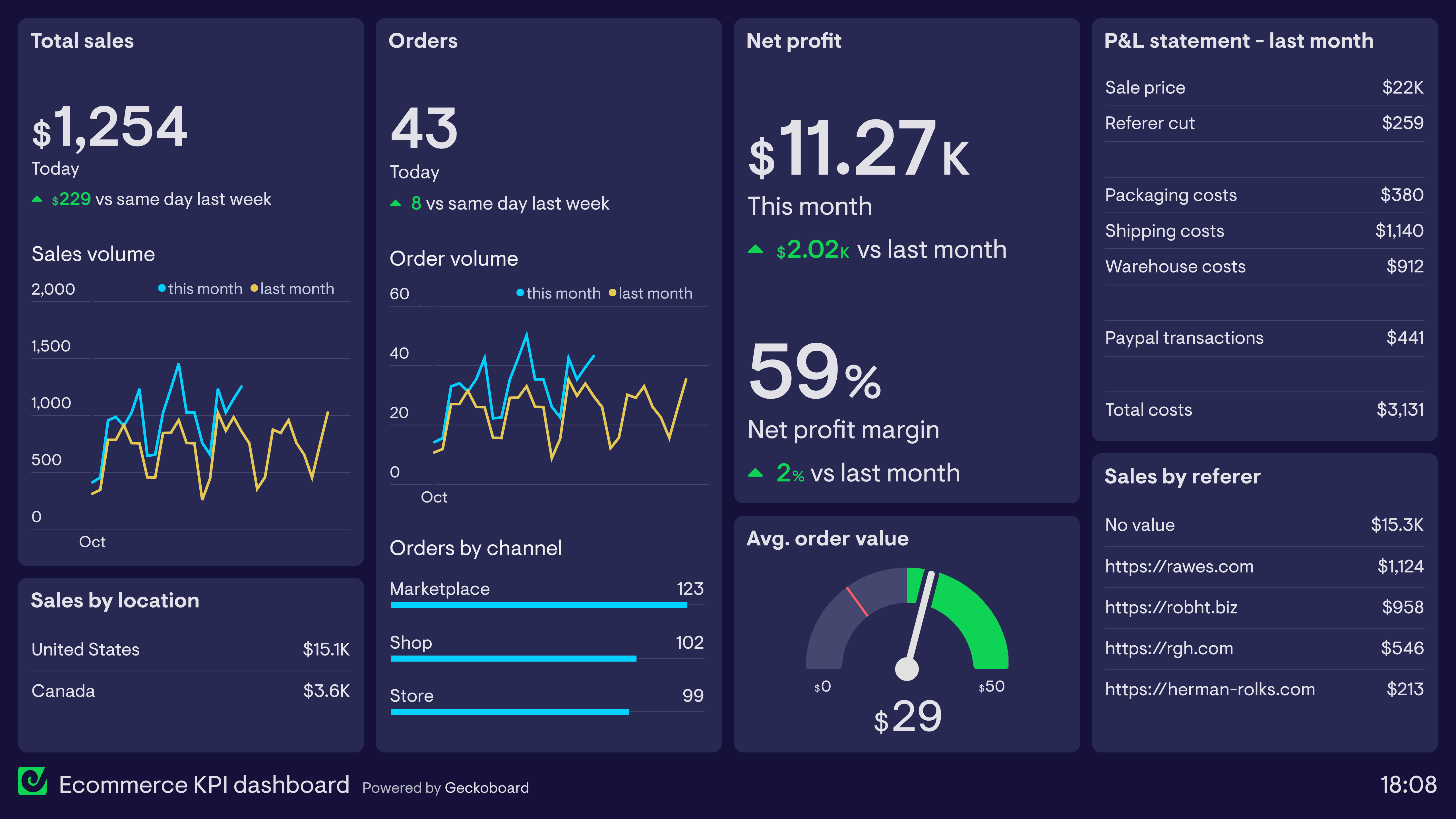
Between 2019 and 2022, thousands of D2C brands launched.
Common issues:
- Same suppliers
- Same digital marketing playbook
- No product moat
- Rising ad costs
Customer acquisition via paid ads is expensive and unstable. Without strong brand recall, supply chain advantage, or offline presence, many will fade.
Verdict: Only strong brands with repeat purchase rates will survive.
6. “Uber for X” Marketplaces


4
For years, founders pitched:
- Uber for laundry
- Uber for home chefs
- Uber for dog walking
- Uber for beauty services
Marketplaces require:
- Massive supply liquidity
- Strong network effects
- High trust
Most niche categories lack sufficient volume to sustain venture-scale returns.
Verdict: Hyper-niche gig marketplaces will shrink or consolidate.
7. Social Audio Clones


4
Inspired by the brief success of platforms like Clubhouse, dozens of social audio startups launched.
Why they failed:
- Low retention
- Content fatigue
- Feature replication by larger platforms
Audio will remain powerful — but standalone social audio apps without strong creator monetization are fading.
Verdict: The trend peaked already.
8. Metaverse-Only Virtual Worlds



4
Metaverse funding surged when major tech companies pivoted heavily toward immersive digital worlds.
Reality:
- VR hardware adoption is still niche
- Enterprise use cases are limited
- Consumer attention spans remain short
Immersive tech will evolve slowly. Pure-play metaverse social worlds? Highly unlikely to scale quickly.
Verdict: The timeline was overestimated.
9. Pure Aggregator Travel Platforms


4
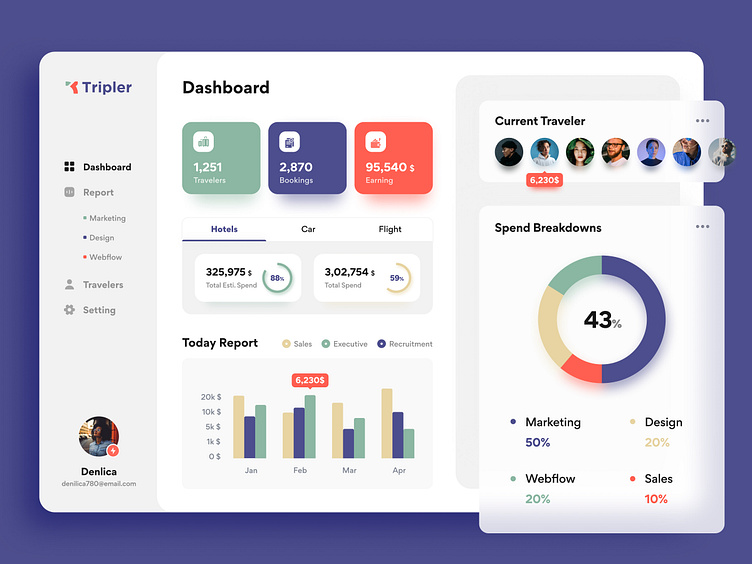
Travel aggregator clones offering only price comparison struggle because:
- Margins are razor thin
- Brand loyalty is weak
- Larger incumbents dominate SEO and supply
Without unique inventory, loyalty programs, or bundled experiences, new entrants have minimal advantage.
Verdict: Aggregator-only travel startups face tough survival odds.
10. Venture-Funded “Lifestyle” Apps


4
Apps solving minor convenience problems — like hyper-specific productivity tweaks or novelty social filters — once raised seed rounds easily.
Today’s reality:
- Investors demand strong retention metrics
- CAC must be justified
- Monetization must be clear
Lifestyle apps without recurring revenue or network effects struggle to justify valuations.
Verdict: Funding appetite for marginal utility apps is declining sharply.
Why These Trends Are Dying
Across categories, the reasons are consistent:
- Capital discipline is back
- Unit economics matter more than hype
- Customer acquisition costs have increased
- Platform incumbents replicate fast
- Investors prefer infrastructure and deep-tech moats
The startup ecosystem is maturing. Flashy growth narratives are no longer enough.
What Will Replace Them?
As these trends fade, capital is shifting toward:
- AI infrastructure and vertical AI tools
- Climate tech and energy transition
- Deep fintech infrastructure
- Health diagnostics and biotech
- Industrial SaaS
- Defense tech
- Robotics and automation
The next wave will prioritize defensibility, recurring revenue, and structural necessity — not short-term virality.
Final Thought
Startup ecosystems need hype cycles. They attract talent, push experimentation, and test boundaries.
But sustainability wins.
In 2026 and beyond, the companies that survive will:
- Own proprietary data
- Control supply chains
- Solve painful problems
- Maintain pricing power
- Build real moats
Everything else? Likely to fade quietly.
If you’d like, I can also write:
- “Top 10 Startup Trends That Will Explode Next”
- A data-backed investor presentation version
- Or an India-specific breakdown
Just tell me the angle you prefer.
You said:
in 2000 words without image
ChatGPT said:
150-character description:
From hype-driven AI clones to cash-burning quick commerce, here are 10 startup trends fading fast as investors demand profits and real moats.
Top 10 Startup Trends That Will Die Soon
Startup ecosystems are cyclical. Every funding boom creates excess. Every correction eliminates it. Between 2020 and 2022, cheap capital fueled rapid experimentation across AI, Web3, D2C, edtech, quick commerce, and creator tools. Valuations soared. Growth was prioritized over sustainability. The narrative was simple: capture users now, figure out profits later.
That era is over.
Since 2023, capital has become disciplined. Investors are demanding profitability, defensibility, and real differentiation. Customer acquisition costs are higher. Competition is more intense. Platform incumbents replicate features rapidly. The result? Many once-hot startup categories are shrinking or consolidating.
Here are ten startup trends that are likely to die — or at least fade dramatically — over the next few years.
1. Generic AI “Wrapper” Startups
The generative AI boom created a flood of startups built on top of large language models. Thousands of founders launched tools that essentially re-packaged existing AI APIs into niche applications — resume builders, email rewriters, content caption generators, productivity summarizers, or pitch deck creators.
The problem with many of these companies is structural. They don’t own proprietary models. They don’t have exclusive data. They rely entirely on third-party AI providers. Their technology can be replicated in days, sometimes hours.
As major AI platforms integrate similar features directly into their ecosystems, these startups lose differentiation. Users will not pay a premium for thin functionality that is bundled elsewhere for free or at lower cost.
Only vertical AI companies with proprietary datasets, workflow integration, or deep domain specialization are likely to survive. The rest will quietly disappear or pivot.
2. Quick Commerce Clones
The promise of 10–15 minute grocery delivery triggered one of the most aggressive capital burns in startup history. Dozens of companies raced to build micro-warehouses, dark stores, and hyperlocal logistics fleets.
At scale, quick commerce is operationally complex. Margins are thin. Real estate is expensive. Delivery costs fluctuate. Customer loyalty is price-sensitive. Promotions eat into already fragile economics.
A handful of market leaders with strong logistics density may endure. But late entrants and regional clones will struggle. The model only works with extreme operational excellence and deep capital reserves.
The land grab phase is over. Consolidation will continue. Investors are no longer willing to subsidize unit-negative deliveries indefinitely.
3. Speculative NFT and Consumer Web3 Platforms
During the crypto bull run, NFT marketplaces, tokenized communities, and Web3 social networks attracted massive funding. Valuations were driven by speculation rather than sustainable engagement.
As token prices fell and regulatory scrutiny increased, many consumer-focused Web3 platforms saw declining user activity. The speculative enthusiasm that fueled rapid onboarding vanished.
Blockchain infrastructure will continue evolving. Enterprise use cases will grow. But consumer NFT platforms without real utility or recurring engagement are unlikely to return to peak levels.
The hype cycle has passed. Survivors will focus on real-world use cases rather than speculative assets.
4. Pandemic-Era Edtech Models
Online education boomed during lockdowns. Investors poured billions into test prep apps, skill platforms, and digital tutoring services. Growth metrics were extraordinary.
But much of that growth was situational. As offline institutions reopened, customer acquisition became more expensive. Churn increased. Heavy discounting strategies proved unsustainable.
Several high-profile edtech companies faced valuation corrections and operational restructuring. The market is now demanding measurable learning outcomes, not just subscriber growth.
Edtech will not disappear. But the “growth at any cost” online test-prep model will not return. Sustainable players will need strong hybrid models, outcome transparency, and cost discipline.
5. Undifferentiated D2C Brands
Direct-to-consumer brands were once the darling of venture capital. Social media advertising made it easy to launch new products quickly. Supply chains were accessible. Influencer marketing drove rapid early traction.
But the barriers to entry were low. Many brands sourced from the same manufacturers. Product differentiation was minimal. Advertising costs increased dramatically as competition intensified.
Without strong brand equity, supply chain control, or recurring purchase behavior, many D2C startups cannot justify high valuations. Paid acquisition is expensive and volatile.
The future belongs to brands with strong repeat purchase rates, proprietary formulations, or omnichannel distribution strategies. Copycat D2C brands relying solely on Instagram ads will struggle to survive.
6. “Uber for X” Marketplaces
For years, founders pitched “Uber for laundry,” “Uber for home chefs,” “Uber for beauty,” or “Uber for pet services.” On-demand marketplaces seemed endlessly adaptable.
But marketplaces are among the hardest models to scale. They require:
- Liquidity on both sides
- Strong trust mechanisms
- Geographic density
- Significant capital
Many hyper-niche marketplaces lack sufficient transaction volume to achieve venture-scale outcomes. Customer frequency is often too low. Retention is unpredictable.
Only platforms with strong network effects and large addressable markets succeed long term. Most niche gig marketplaces will consolidate or disappear.
7. Social Audio Platforms
Inspired by the brief explosive growth of Clubhouse, dozens of social audio startups launched. The premise was compelling: live, interactive voice communities.
But user behavior did not sustain the hype. Retention was inconsistent. Content moderation was complex. Larger platforms quickly integrated similar features.
Audio content continues to grow in podcasts and creator monetization, but standalone social audio networks without strong economic incentives for creators struggle to retain users.
The category peaked quickly and then stabilized at a much smaller scale.
8. Pure Metaverse Social Worlds
When Meta pivoted heavily toward immersive digital environments, the startup ecosystem followed. Founders built virtual real estate platforms, avatar marketplaces, and digital-only social spaces.
The problem was adoption speed. Virtual reality hardware penetration remains limited. Consumer behavior did not shift as quickly as expected. Many use cases remain experimental rather than essential.
Immersive technology will likely grow gradually over the next decade. But pure-play metaverse social startups built on short-term hype are unlikely to achieve mass adoption in the near future.
The timeline was overly optimistic.
9. Aggregator-Only Travel Startups
Travel aggregators that simply compare prices for flights or hotels face intense competition. Large incumbents dominate SEO, supplier relationships, and consumer trust.
Margins are razor thin. Brand loyalty is weak. Switching costs are minimal.
Without differentiated inventory, loyalty programs, bundled experiences, or strong community elements, new travel aggregators struggle to gain meaningful market share.
The opportunity lies in specialized travel experiences, curated segments, or enterprise solutions — not generic price comparison engines.
10. Venture-Funded “Lifestyle Convenience” Apps
During funding booms, minor convenience apps often secured seed rounds. These apps solved small inefficiencies — hyper-specific productivity tweaks, novelty social features, or short-term trends.
In tighter markets, investors demand durable retention, monetization clarity, and meaningful problem statements. Apps that provide marginal utility struggle to justify valuations.
Without network effects, recurring subscriptions, or enterprise expansion opportunities, many lifestyle convenience apps will fail to scale.
Capital is flowing toward essential infrastructure and mission-critical software, not novelty.
Why These Trends Are Fading
Across these categories, the underlying causes are consistent.
First, capital is no longer cheap. Investors scrutinize burn rates and path-to-profitability.
Second, defensibility matters. Startups need moats — proprietary data, technology, brand equity, or network effects.
Third, customer acquisition has become expensive. Paid advertising is saturated. Organic growth requires stronger differentiation.
Fourth, incumbents replicate fast. Platform giants integrate trending features into their ecosystems, reducing the space for thin startups.
Finally, macroeconomic caution has reset valuation expectations. Growth alone is not enough.
What Will Survive Instead?
As hype-driven models fade, new capital is flowing into sectors with structural importance:
- AI infrastructure and vertical SaaS
- Climate technology and clean energy
- Advanced manufacturing
- Defense and aerospace tech
- Healthcare diagnostics and biotech
- Financial infrastructure
- Robotics and automation
These sectors solve high-stakes problems. They have regulatory barriers, deep technology requirements, or infrastructure complexity — creating stronger long-term moats.
The Bigger Pattern
Startup ecosystems always oscillate between experimentation and consolidation. Hype cycles are not entirely negative. They attract talent, encourage innovation, and surface new ideas.
But correction cycles are equally important. They separate durable companies from speculative ones.
The trends listed above are unlikely to vanish overnight. Some will evolve. Some will consolidate into fewer, stronger players. But the era of easy capital supporting shallow differentiation is over.
Founders building today must focus on:
- Sustainable unit economics
- Deep customer understanding
- Operational discipline
- Long-term defensibility
- Real problem-solving
Investors are prioritizing resilience over hype.
Final Thought
The next generation of iconic startups will not be built on trends. They will be built on enduring problems.
History shows that the most valuable companies often emerge during correction phases — when competition thins, valuations normalize, and founders are forced to build real businesses.
The hype-driven clones, speculative marketplaces, and shallow AI wrappers may fade. But their disappearance creates space for stronger, more durable innovation.
In the end, startup ecosystems don’t die.
Bad trends do.
You said:
AI Startups That Actually Make Money
ChatGPT said:
150-character description:
From enterprise AI platforms to chipmakers and data companies, these AI startups generate real revenue, not just hype or valuation.
AI Startups That Actually Make Money
Artificial intelligence is no longer just a research breakthrough or venture capital buzzword. In 2026, the AI industry has clearly split into two categories: companies chasing hype and companies generating meaningful, recurring revenue.
While thousands of AI startups launched in the generative AI wave, only a smaller group has built durable business models. These companies are not just raising capital — they are producing real revenue, signing enterprise contracts, and in some cases, achieving profitability.
Below is a deep look at AI startups (and scale-ups) that are generating substantial revenue and building sustainable businesses.
1. OpenAI
4
OpenAI moved from research lab to commercial powerhouse in record time.
Revenue drivers:
- ChatGPT subscriptions (Plus, Team, Enterprise)
- API access for developers
- Enterprise AI integrations
- Custom model licensing
By 2025, OpenAI’s annualized revenue crossed multiple billions of dollars, driven largely by enterprise contracts and API usage. Subscription-based pricing combined with enterprise licensing created predictable recurring income.
Key advantage: massive user adoption and strong developer ecosystem.
2. Anthropic
Anthropic, creator of Claude, positioned itself as a safety-first enterprise AI provider.
Revenue sources:
- Enterprise AI contracts
- API access
- Strategic cloud partnerships
By focusing on enterprise clients rather than consumer virality, Anthropic secured large recurring deals. Enterprise AI adoption tends to be stickier and more profitable than consumer subscriptions.
3. Databricks
Databricks sits at the intersection of big data and AI infrastructure.
Revenue model:
- Cloud-based data platform subscriptions
- Enterprise AI infrastructure tools
- Usage-based pricing
The company generates billions in annual revenue and is often cited as one of the strongest AI infrastructure businesses globally. Its success stems from enabling companies to build their own AI systems rather than selling standalone tools.
4. Scale AI4
AI models require high-quality training data. Scale AI built a business around providing that data.
Revenue streams:
- Government AI contracts
- Autonomous vehicle training data
- Enterprise data labeling
- Defense AI projects
Scale AI generates substantial revenue through long-term contracts, especially in regulated and defense sectors.
5. UiPath
4
UiPath started in robotic process automation (RPA) and expanded into AI-powered enterprise automation.
Revenue model:
- Enterprise subscriptions
- Automation platform licensing
- AI-enhanced workflow tools
While publicly traded, UiPath represents a powerful example of AI-driven automation generating recurring enterprise revenue.
6. Cohere
4
Cohere focuses on enterprise language models rather than consumer apps.
Revenue drivers:
- API licensing
- Enterprise AI integrations
- Custom AI deployments
By targeting business workflows rather than casual users, Cohere has built sustainable revenue streams.
7. Hugging Face
Originally known for its open-source model repository, Hugging Face monetized through:
- Enterprise hosting solutions
- Private model deployments
- AI infrastructure services
Its hybrid open-source + enterprise strategy created a strong community moat while generating commercial revenue.
8. Palantir Technologies
4
Palantir integrates AI into government and enterprise analytics platforms.
Revenue sources:
- Long-term government contracts
- Enterprise AI analytics
- Defense technology partnerships
The company generates billions annually, proving that AI integrated into mission-critical infrastructure creates durable income.
9. Stability AI
4
Stability AI built its reputation on open image generation models.
Revenue channels:
- Enterprise licensing
- API usage
- Creative industry partnerships
While facing competition, monetization efforts focus on commercial creative use cases.
10. Midjourney
4
Midjourney stands out for a simple but powerful model:
- Subscription-based revenue
- Strong creative community
- Continuous product improvements
It reportedly generates substantial annual subscription revenue while maintaining lean operations.
What These Companies Have in Common
The AI startups that make real money share several characteristics:
1. Enterprise Focus
B2B revenue is predictable and high-value.
2. Infrastructure Positioning
They enable AI rather than offering superficial features.
3. Usage-Based Pricing
Revenue scales with customer growth.
4. Proprietary Data or Technology
They control key components of the value chain.
5. Long-Term Contracts
Enterprise and government deals create revenue stability.
Where AI Monetization Is Strongest
AI is monetizing best in:
- Cloud infrastructure
- Enterprise automation
- Defense technology
- Healthcare diagnostics
- Financial analytics
- Data platforms
- Developer tooling
Consumer AI apps can succeed, but enterprise AI is currently the most reliable revenue engine.
Final Thoughts
The AI hype cycle created thousands of startups. But only a fraction generate meaningful recurring revenue.
The companies listed above demonstrate that real AI businesses are built on:
- Deep infrastructure
- Enterprise integration
- Proprietary data
- Scalable pricing models
In 2026, the AI winners are not the loudest — they are the most operationally disciplined.
ALSO READ: AI Startups Monetizing Automation in 2026