
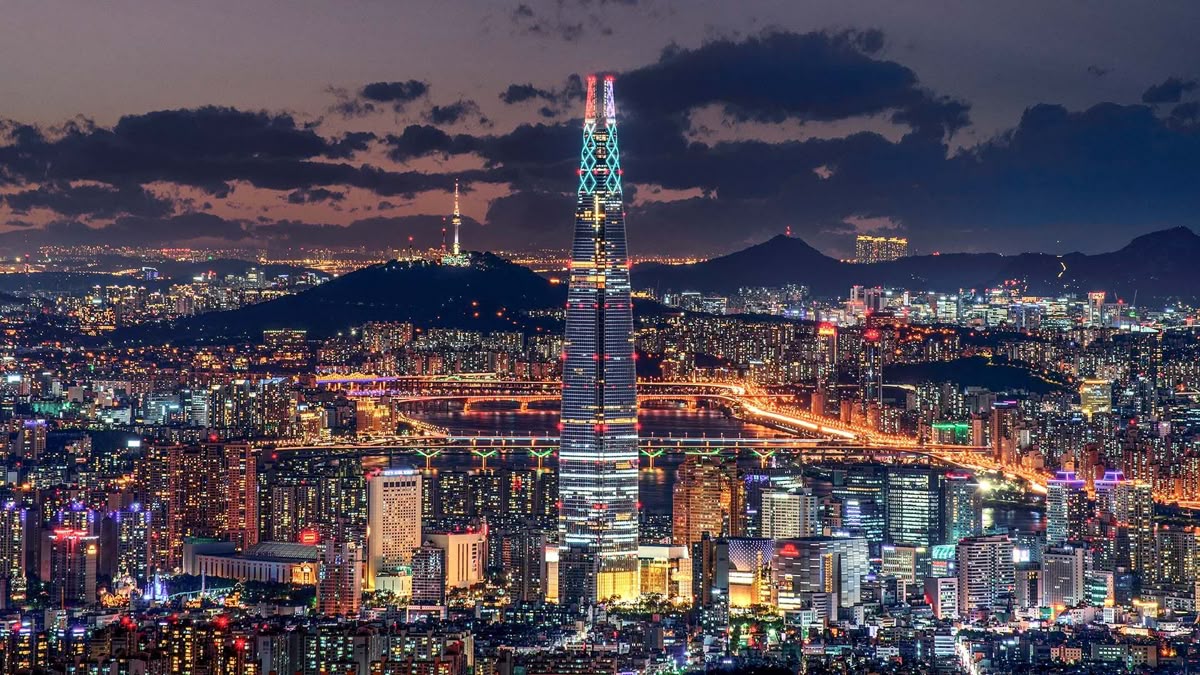
South Korea’s startup ecosystem has entered 2026 with renewed confidence and visible momentum. After a challenging 2025 marked by cautious investors and fewer early-stage deals, venture capital activity has begun to recover. Investors now direct capital toward artificial intelligence, energy technologies, and deep-tech innovation. This rebound signals a strategic reset rather than a temporary correction, with long-term technology leadership at its core.
The recovery reflects changes in investor sentiment, government priorities, and founder behavior. Instead of chasing rapid growth at all costs, stakeholders across the ecosystem now focus on resilient technologies with global relevance. This shift places South Korea in a stronger position as competition intensifies across global startup hubs.
A Look Back at the 2025 Slowdown
During 2025, South Korea’s startup investment environment experienced clear pressure. Venture funds reduced deal volume, especially at seed and Series A stages. Many investors concentrated capital into later-stage startups with proven revenue and clearer exit paths. This approach limited funding access for early founders and experimental technologies.
Macroeconomic uncertainty, rising interest rates, and global market volatility shaped this cautious behavior. Investors prioritized capital preservation and risk management. As a result, many promising startups delayed fundraising or adjusted growth plans to conserve cash.
Despite these constraints, the ecosystem did not weaken structurally. Founders continued building products, refining technology, and preparing for renewed investor interest. This groundwork laid the foundation for the rebound that arrived in early 2026.
Artificial Intelligence Drives the Recovery
Artificial intelligence stands at the center of South Korea’s investment revival. Venture capital firms, corporate investors, and public funds have increased allocations to AI startups that focus on foundational models, applied machine learning, robotics intelligence, and enterprise automation.
South Korea benefits from strong research institutions, a technically skilled workforce, and global leadership in semiconductors and electronics. These strengths allow AI startups to move quickly from research to commercialization. Investors recognize this advantage and now view AI as a strategic pillar rather than a speculative bet.
Startups building AI solutions for manufacturing optimization, healthcare diagnostics, financial analytics, and customer service automation have drawn particular interest. Investors value these companies because they solve real industry problems and demonstrate clear paths to revenue.
Government Policy Reinforces AI Momentum
The South Korean government has aligned policy and funding frameworks with AI development goals. Public investment vehicles have expanded AI-focused mandates, offering larger ticket sizes and longer investment horizons. These initiatives encourage private investors to co-invest and reduce perceived risk.
National innovation strategies emphasize AI as a driver of productivity and global competitiveness. Public agencies now support startups across the full lifecycle, from research grants to scale-up capital. This coordinated approach strengthens investor confidence and improves capital efficiency.
Government-backed funds also support talent development, infrastructure, and international collaboration. These elements help startups attract skilled engineers and enter global markets faster.
Energy and Sustainability Gain Strategic Importance
Energy technology has emerged as another major beneficiary of the 2026 rebound. Investors increasingly view energy startups as essential to economic resilience and climate strategy. South Korean startups now develop solutions for smart grids, energy storage, battery management, hydrogen systems, and carbon reduction.
Global demand for clean and efficient energy solutions continues to rise. Investors see Korean energy startups as well-positioned to compete due to the country’s industrial base and engineering expertise. Corporate investors from utilities, manufacturing groups, and chemical companies have increased strategic investments in this space.
Energy startups also benefit from regulatory alignment and national priorities around energy security. This alignment creates stable demand and long-term growth visibility, which investors value highly.
Deep Tech Moves to the Forefront
Deep-tech innovation has gained prominence as the ecosystem matures. Startups working on robotics, advanced materials, quantum technologies, aerospace systems, and biotechnology now attract greater attention. These ventures require longer development cycles, but they promise higher impact and stronger defensibility.
South Korea has intentionally elevated deep tech as a national priority. Public programs now target commercialization of scientific research and encourage collaboration between universities, research institutes, and startups. These programs reduce early technical risk and help founders focus on market applications.
Investors have responded positively. They now accept longer timelines in exchange for stronger intellectual property and global relevance. This mindset shift marks a significant evolution in Korea’s venture capital culture.
Early-Stage Funding Shows Signs of Recovery
One of the most encouraging signals in early 2026 involves early-stage investment. Seed and Series A funding activity has increased compared to late 2025. Investors have regained confidence in backing first-time founders and unproven ideas, especially in AI and deep-tech domains.
This improvement matters because early-stage capital fuels experimentation and innovation. Without it, ecosystems struggle to generate the next wave of high-growth companies. The renewed flow of early-stage funding suggests healthier long-term prospects for Korea’s startup landscape.
Accelerators, incubators, and university-linked venture programs have also increased activity. These organizations help startups prepare for fundraising and connect them with investors earlier in the journey.
Regional Expansion Gains Attention
Another notable trend involves regional investment outside Seoul. Policymakers and investors now recognize the need to distribute innovation more evenly across the country. Government incentives encourage venture funds to support startups in regional hubs, including manufacturing-focused and research-driven cities.
This approach broadens the talent pool and reduces overconcentration in the capital region. It also aligns with industrial strengths located outside Seoul, such as advanced manufacturing, materials science, and energy infrastructure.
Regional startups benefit from lower operating costs and closer ties to industrial partners. Investors increasingly view these advantages as sources of competitive differentiation.
Corporate Venture Capital Plays a Larger Role
Corporate venture capital has become more active in the rebound phase. Large conglomerates and mid-sized enterprises now invest in startups that complement core business lines. These investments often include pilot projects, joint development, and commercial partnerships.
This trend supports startups beyond capital alone. Strategic investors provide market access, industry expertise, and distribution channels. For founders, these relationships accelerate validation and scale.
Corporations also benefit by gaining exposure to innovation without internal development risk. This mutual value creation strengthens the overall ecosystem.
Challenges Remain Despite Optimism
Despite positive momentum, the ecosystem still faces challenges. Many startups struggle to scale globally due to regulatory complexity, limited international networks, and conservative expansion strategies. Investors increasingly emphasize global readiness and cross-border growth plans during evaluations.
Private capital participation also requires sustained growth. Public funding continues to play a large role, but long-term ecosystem strength depends on deeper private-sector engagement. Venture firms must continue raising funds and attracting global limited partners.
Talent competition presents another challenge. AI and deep-tech startups compete globally for engineers and researchers. Korea must continue improving immigration, compensation, and working conditions to attract top talent.
What the Rebound Means for Founders
For founders, the rebound creates meaningful opportunity. Strong technology, clear market focus, and disciplined execution now attract investor interest. Startups no longer need to chase inflated valuations or unsustainable growth metrics.
Founders who build defensible technology and target global markets stand to benefit most. Investors now favor substance over hype, which rewards teams with deep expertise and long-term vision.
The improved funding environment also enables founders to take calculated risks, invest in research, and build scalable foundations rather than focusing solely on short-term survival.
Looking Ahead
South Korea’s startup investment rebound in 2026 reflects a more mature and strategic ecosystem. Capital now flows toward technologies that shape future industries rather than quick consumer trends. AI, energy innovation, and deep tech define this new phase.
If current momentum continues, South Korea could strengthen its position as a global innovation hub. The combination of policy support, industrial strength, and renewed investor confidence creates favorable conditions for long-term growth.
The next phase will test execution. Founders, investors, and policymakers must sustain alignment and resist short-term distractions. If they succeed, Korea’s startup ecosystem could emerge stronger, more resilient, and more globally competitive than ever before.
Also Read – Why Influencer Startups Scale Slower but Stronger