
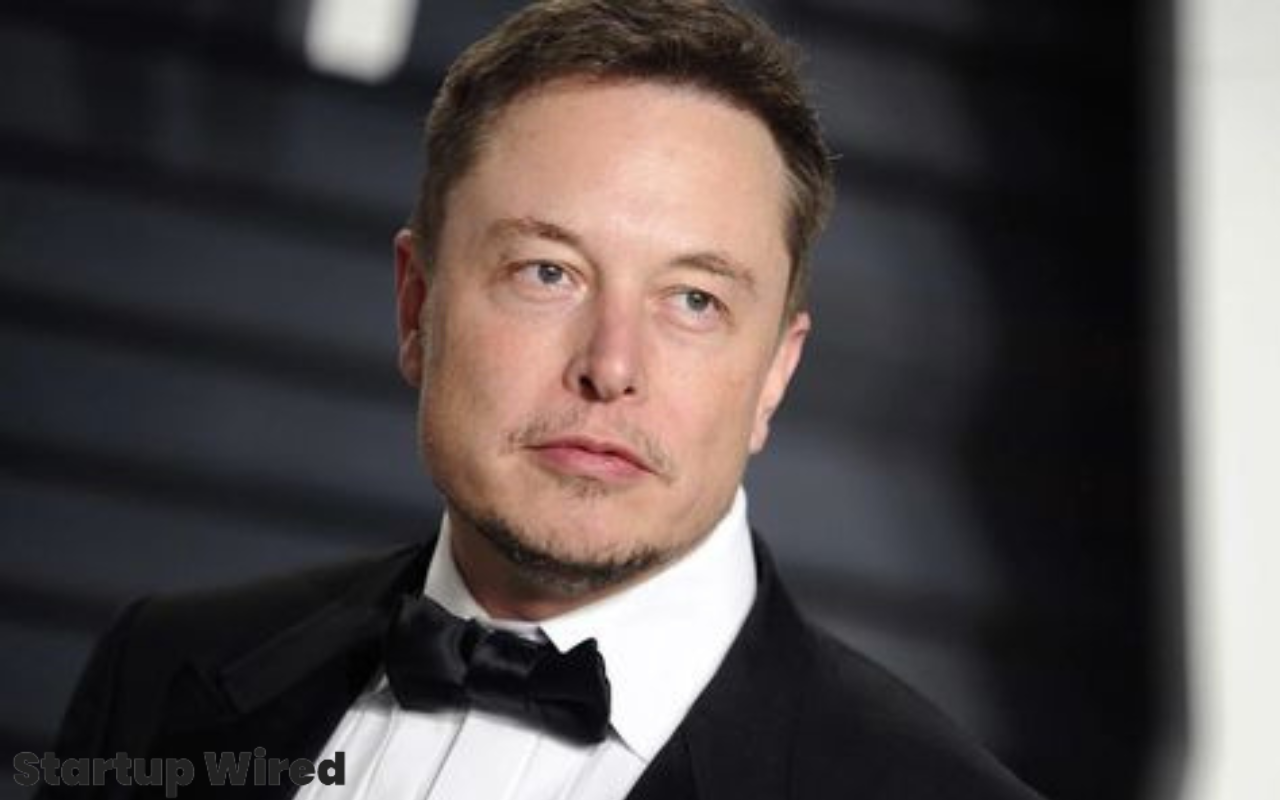
SpaceX announced a bold acquisition of xAI, marking one of the most ambitious moves in modern technology and aerospace history. Elon Musk designed this merger to connect artificial intelligence research directly with space engineering and satellite infrastructure. The deal signals a shift toward fully integrated AI-driven space systems that promise to redefine exploration, defense, and global communications.
This acquisition does more than combine two companies under one roof. It unites software intelligence with physical space assets. SpaceX controls rockets, satellites, and launch platforms. xAI builds advanced large language models and reasoning systems. Together, they form a single organization that can design, deploy, and operate intelligent space technology at planetary scale.
A Strategic Vision Beyond Cost Savings
SpaceX did not pursue xAI simply to expand its portfolio. The company pursued a long-term strategy that treats artificial intelligence as a core layer of future space operations. Traditional aerospace firms rely on human decision-making, ground control centers, and rigid automation. SpaceX aims to replace that model with adaptive systems that learn, predict, and optimize every mission step.
xAI brings expertise in training large-scale models that process massive data streams. SpaceX generates enormous data volumes from rockets, engines, satellites, and sensors. The merger creates a closed loop: spacecraft generate data, AI models analyze it, and systems immediately adjust behavior in orbit or during launch.
This loop allows SpaceX to cut delays, reduce risk, and push performance limits. Engineers can shift from reactive troubleshooting to predictive operations. Rockets can adjust trajectories in real time. Satellites can diagnose faults without waiting for human commands.
Reinventing Starlink With Intelligence
Starlink stands at the center of this transformation. The satellite internet network already operates thousands of satellites in low Earth orbit. With xAI integrated, SpaceX can turn Starlink into an intelligent global infrastructure.
AI systems can manage traffic routing, detect interference, and forecast outages before users notice problems. The network can learn from usage patterns and reallocate capacity dynamically across regions. This approach improves speed, reliability, and resilience.
SpaceX also gains a powerful training platform for AI. Satellites collect environmental data, atmospheric readings, and communications metrics across the planet. xAI models can learn from this unique dataset and build systems that understand Earth at scale. No other AI company owns such a rich stream of real-world space data.
Defense and National Security Implications
Governments already rely on SpaceX for launches and satellite services. With AI embedded into space systems, SpaceX moves into a new strategic role. Intelligent satellites can analyze imagery, track objects, and identify threats autonomously.
This capability appeals to defense agencies that seek faster decision-making and lower operational risk. Instead of sending raw data to analysts on Earth, AI-powered satellites can filter and prioritize information in orbit. They can spot unusual movements, detect missile launches, and monitor disaster zones within seconds.
The merger also strengthens SpaceX’s position in national security contracts. Competitors must now match not only launch reliability but also AI-enabled intelligence systems. That combination creates a formidable barrier to entry.
Commercial Opportunities Across Industries
The acquisition opens doors far beyond spaceflight. Industries that depend on satellite data—agriculture, shipping, energy, and climate research—can gain smarter tools. AI models can interpret satellite imagery to track crop health, forecast storms, and monitor deforestation.
Shipping companies can use AI-enhanced satellite networks to optimize routes and reduce fuel use. Energy firms can detect pipeline leaks or offshore platform risks from orbit. Governments can improve disaster response with faster and clearer situational awareness.
SpaceX now controls both the hardware in space and the intelligence that interprets what that hardware sees. This vertical integration positions the company as a data and analytics powerhouse, not just a launch provider.
Cultural Integration Challenges
Merging a rocket company with an AI startup brings challenges. SpaceX operates with strict engineering discipline and mission-critical safety standards. xAI thrives on experimentation, rapid iteration, and open-ended research.
Leadership must align these cultures without slowing innovation. Engineers need to trust AI systems that influence flight decisions. Researchers must understand aerospace constraints and reliability demands. This integration requires new workflows, shared teams, and unified goals.
Success depends on communication and transparency. SpaceX must ensure that AI decisions remain explainable and auditable. In aerospace, black-box behavior can create unacceptable risk. xAI’s models must meet higher standards than consumer chatbots or software tools.
Competition With Big Tech
The acquisition places SpaceX in direct competition with major technology firms that pursue AI and cloud dominance. Companies like Google, Microsoft, and Amazon already invest heavily in AI and satellite services. SpaceX now enters that arena with a unique advantage: physical access to space.
While tech giants rely on leased satellites or partnerships, SpaceX owns its launch systems and orbital network. That control reduces costs and increases speed. It also allows SpaceX to test AI models directly in real-world space conditions.
This move may force competitors to rethink their strategies. Expect partnerships between cloud providers and aerospace firms as rivals try to match SpaceX’s integrated approach.
Ethical and Regulatory Questions
AI in space raises new policy issues. Autonomous systems that manage satellites and analyze global data trigger concerns about privacy, surveillance, and military escalation. Regulators must decide how much autonomy they allow in orbit.
SpaceX must work closely with governments to define rules for AI-driven space operations. Transparency and accountability will matter. The company must prove that its systems respect international agreements and avoid misuse.
Public trust will shape the long-term success of this merger. If people view intelligent satellites as tools for progress and safety, adoption will grow. If they see them as instruments of control, resistance will follow.
A Blueprint for the Future of Technology
This acquisition represents more than a business deal. It offers a blueprint for the next phase of innovation. Future companies will not separate software from hardware. They will design ecosystems where intelligence and machinery evolve together.
Space exploration demands adaptability, speed, and autonomy. AI supplies those qualities. By uniting xAI with SpaceX, Elon Musk accelerates a vision where spacecraft think, learn, and respond like living systems.
The merger also signals that the boundaries between industries continue to dissolve. Aerospace now blends with artificial intelligence, telecommunications, defense, and data science. The result creates a new category of company: an intelligent space platform.
Conclusion
SpaceX’s acquisition of xAI reshapes both the AI and aerospace landscapes. It connects learning machines with rockets and satellites, forming a single engine of innovation. This move strengthens Starlink, enhances national security capabilities, and opens vast commercial opportunities.
The success of this merger will depend on careful integration, ethical governance, and technical excellence. If SpaceX executes this vision well, it will not only dominate space launch markets but also lead the era of intelligent infrastructure in orbit.
In the long run, this deal may stand as the moment when artificial intelligence truly left Earth and became part of humanity’s journey into space.
Also Read – How EdTech Startups in India Are Performing in 2026