
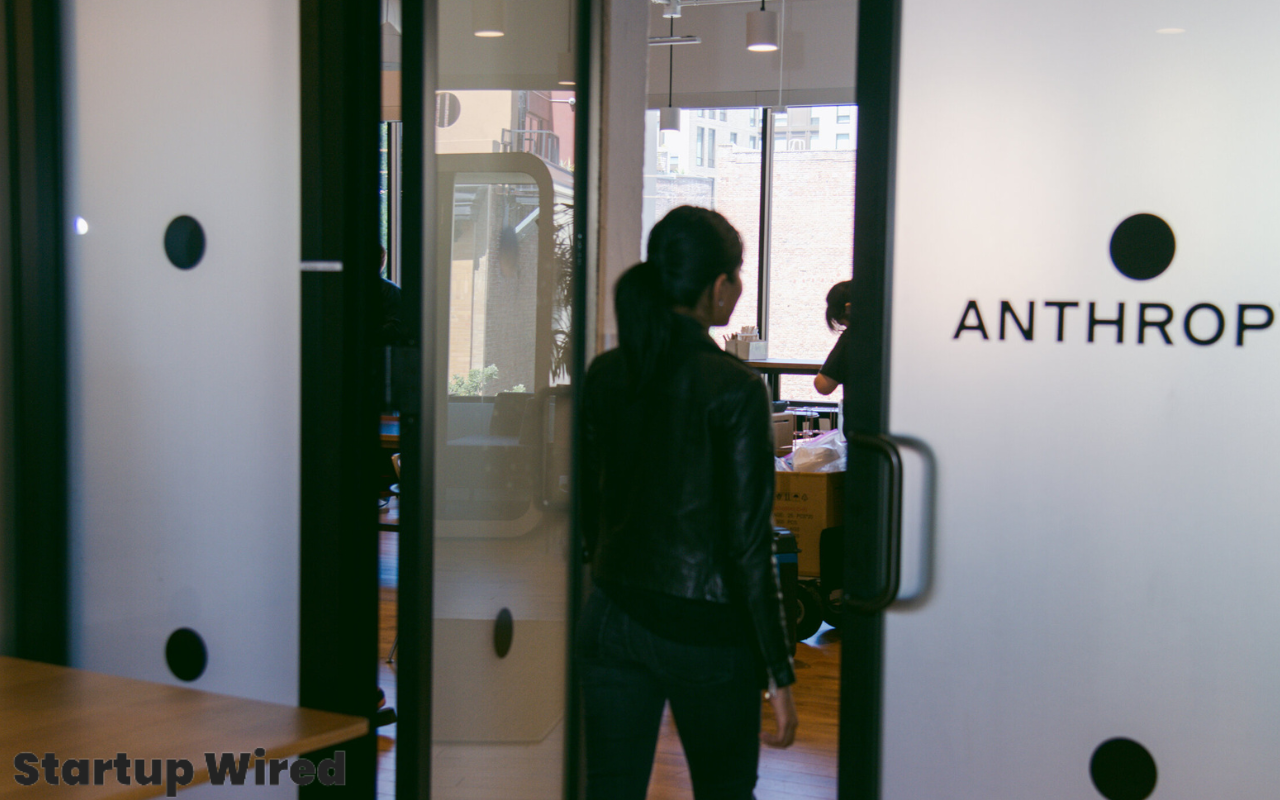
The global artificial intelligence race now places India at the center of strategic expansion, and Anthropic has made its intentions unmistakable. The AI startup appointed Irina Ghose as its India Managing Director, signaling a focused plan to deepen its presence, partnerships, and impact in one of the world’s fastest-growing technology markets. This leadership move reflects Anthropic’s ambition to build long-term capabilities in India rather than pursue a symbolic footprint.
Anthropic built its reputation on developing advanced AI systems with a strong emphasis on safety, alignment, and real-world reliability. By naming a dedicated India head, the company has chosen execution over experimentation. The decision highlights India’s growing importance not only as a talent hub but also as a strategic market for enterprise AI adoption.
Why India matters to Anthropic’s strategy
India now hosts one of the world’s largest developer communities and a rapidly maturing startup ecosystem. Enterprises across banking, healthcare, retail, and manufacturing have begun integrating AI into core operations. Anthropic sees this momentum as an opportunity to deploy its models responsibly at scale.
The country also offers a unique mix of challenges and opportunities. Multilingual users, complex regulations, and massive data diversity push AI systems to perform under demanding conditions. Anthropic wants to learn from these conditions while offering reliable and safe AI tools to Indian customers.
By appointing a Managing Director, Anthropic signals that India requires local leadership, cultural understanding, and on-the-ground decision-making. This approach avoids the limitations of remote oversight and enables faster response to market needs.
Irina Ghose brings experience and credibility
Anthropic selected Irina Ghose for her deep experience in enterprise technology and market building. She previously worked with Microsoft, where she led strategic initiatives across cloud, enterprise sales, and partner ecosystems. Her background equips her to bridge cutting-edge AI research with practical enterprise deployment.
Ghose understands how large organizations evaluate technology risk, compliance, and return on investment. This perspective aligns closely with Anthropic’s positioning as a provider of dependable and responsible AI systems. Her leadership style emphasizes collaboration with regulators, customers, and developers, which suits India’s complex operating environment.
As India MD, Ghose will oversee market entry strategy, partnerships, hiring, and customer engagement. She will also represent Anthropic in conversations around AI governance and ethics, areas where the company actively seeks influence and trust.
Preparing for an India office and local teams
Anthropic plans to establish a physical presence in India, with Bengaluru expected to play a central role due to its dense concentration of AI talent and enterprise customers. A local office allows the company to recruit engineers, policy specialists, and go-to-market teams who understand Indian realities.
Local teams can tailor solutions for Indian use cases, including language processing, customer support automation, and knowledge management. They can also support startups and enterprises that want to integrate Anthropic’s models into products and workflows.
Hiring locally also supports Anthropic’s safety mission. Engineers and researchers based in India can test models against diverse data sets and cultural contexts. This diversity improves robustness and reduces blind spots in AI behavior.
Enterprise focus over consumer hype
Anthropic has consistently positioned itself as an enterprise-first AI company. The India expansion follows the same philosophy. Instead of chasing mass consumer adoption, the company aims to embed its AI systems into business-critical applications.
Indian enterprises increasingly demand AI tools that offer reliability, transparency, and predictable behavior. Anthropic’s emphasis on safety and alignment resonates with regulated sectors such as finance, healthcare, and government services.
Under Ghose’s leadership, Anthropic will likely prioritize strategic pilots, long-term contracts, and co-development partnerships. This measured approach builds trust and reduces adoption friction, especially in organizations that handle sensitive data.
Responsible AI as a differentiator
India’s policymakers and enterprises have begun paying closer attention to AI ethics, data privacy, and accountability. Anthropic places these issues at the center of its product philosophy. The company designs its models to follow clear behavioral constraints and to reduce harmful or misleading outputs.
Ghose will play a key role in communicating this value proposition to Indian stakeholders. She can engage with regulators, industry bodies, and academic institutions to shape conversations around responsible AI deployment.
This positioning could give Anthropic an advantage as AI regulations evolve. Companies that adopt safety-first systems early often adapt more smoothly to compliance requirements later.
Competitive dynamics in India’s AI market
Anthropic enters a competitive landscape that includes global giants and fast-moving startups. Companies like OpenAI, Google, and several open-source players already attract attention from Indian developers and enterprises.
Anthropic’s differentiation rests on depth rather than breadth. The company focuses on fewer models with strong guarantees instead of rapid feature expansion. This strategy appeals to customers who value stability and governance over experimentation.
By appointing a seasoned leader, Anthropic increases its chances of articulating this differentiation clearly. Ghose can translate technical strengths into business outcomes, which matters in boardrooms and procurement discussions.
Opportunities for Indian startups and developers
Anthropic’s India push could also benefit startups and developers. Local access to advanced AI models enables startups to build sophisticated products without massive infrastructure investment. Partnerships and developer programs could emerge as the company scales.
Developers may gain exposure to Anthropic’s safety frameworks and best practices. This knowledge can elevate the overall quality of AI products built in India. Over time, this influence can shape how Indian companies think about AI responsibility.
Startups that build on Anthropic’s models may also find easier paths to global markets, especially if Anthropic supports international deployment and compliance.
A long-term commitment, not a short-term bet
Leadership appointments often reveal a company’s true priorities. By naming an India Managing Director, Anthropic demonstrates long-term intent. The company plans to invest time, talent, and trust in the Indian ecosystem.
Ghose’s role will likely evolve beyond market entry. As operations mature, she may influence global strategy by bringing insights from India’s scale, diversity, and innovation pace.
For India, this move reinforces its status as a core AI market rather than an outsourcing destination. Global AI leaders now see the country as a place to build, sell, and learn.
What this means for 2026 and beyond
Anthropic’s leadership move sets the tone for its next phase of growth. The company now has a local face, a clear mandate, and a market ready for advanced AI solutions.
Success will depend on execution. Building trust, hiring the right teams, and delivering real value to customers will define the outcome. With Irina Ghose at the helm in India, Anthropic has increased its odds of achieving those goals.
As AI adoption accelerates across India, Anthropic’s focus on safety, enterprise value, and local leadership may shape how responsible AI scales in one of the world’s most influential technology markets.
Also Read – From Vision to Impact: National Startup Day 2026 IndiaGrowth