
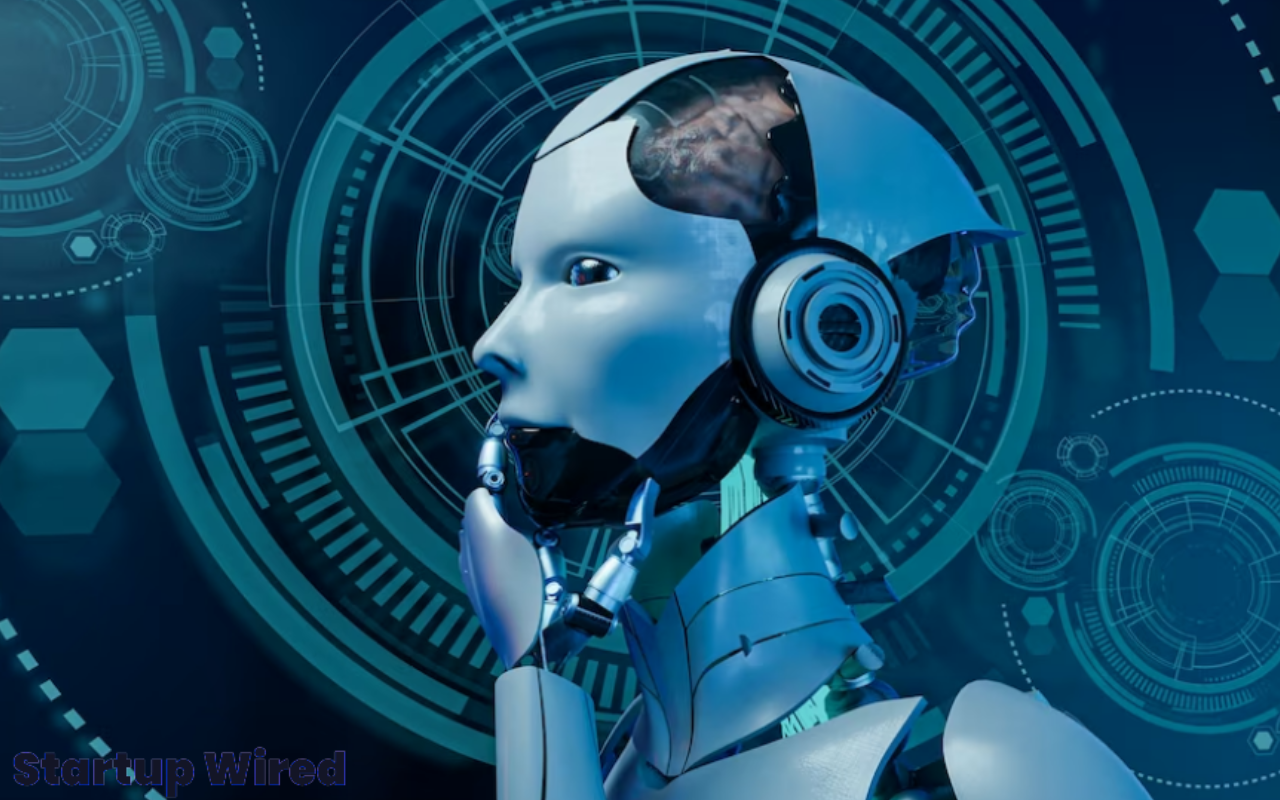
At CES 2026, innovation did not roar with power or overwhelm with scale. It smiled, reacted, and invited human connection. Japanese startup Ludens AI captured global attention by introducing two companion robots designed for emotional presence rather than industrial performance. In an exhibition dominated by autonomous vehicles, massive displays, and enterprise AI, Ludens AI chose warmth and personality.
The startup revealed two robots, Cocomo and Inu, and framed them as companions for everyday life. Visitors gathered at the booth not to measure benchmarks but to experience interaction. The robots responded to voices, gestures, and proximity in ways that felt intuitive and alive. That immediate emotional response set Ludens AI apart from much of the show floor.
Ludens AI’s Vision for Human-Centered Robotics
Ludens AI built its mission around coexistence between humans and machines. The company does not chase automation for productivity gains or labor replacement. Instead, it focuses on emotional enrichment, comfort, and presence. The team believes future robotics must live with people, not operate around them.
CES 2026 offered the ideal platform to communicate this philosophy. Ludens AI used live demonstrations instead of technical jargon. The robots did not explain themselves; they interacted. That choice allowed visitors to understand the product instinctively.
Meet Cocomo: Calm, Curious, and Expressive
Cocomo features a soft, rounded form with expressive eyes and subtle movements. The robot reacts to human presence through head turns, blinking, and gentle sounds. Cocomo listens attentively and adapts its responses over time based on repeated interactions.
Ludens AI designed Cocomo for relaxed environments such as living rooms and bedrooms. The robot encourages calm engagement rather than constant stimulation. Its movements remain slow and deliberate, which reinforces a sense of comfort and safety.
Meet Inu: Playful Energy Inspired by Pets
Inu takes inspiration from small dogs and familiar pet behavior. The robot communicates excitement through playful sounds, tail-like motion, and head tilts. Inu reacts when someone enters the room and settles when the environment grows quiet.
The robot does not attempt to mimic a real dog exactly. Ludens AI instead distilled key emotional signals that humans recognize instantly. Inu delivers companionship without the responsibilities associated with live pets.
Emotional Intelligence at the Core
Ludens AI placed emotional intelligence at the center of both robots. The AI models interpret tone of voice, speech rhythm, and basic gestures. These signals allow the robots to adjust their behavior in real time.
When users speak softly, the robots respond gently. When users sound excited, the robots increase playful behavior. This dynamic interaction impressed CES attendees because it felt natural rather than preprogrammed.
Design That Encourages Trust and Touch
The startup paired its AI with careful industrial design. Ludens AI avoided sharp edges, visible sensors, and mechanical noise. The robots move smoothly and quietly. Their surfaces invite touch, and their size encourages close interaction.
Every design decision reinforces belonging. The robots look and behave like companions, not machines that demand attention or control space.
Learning Through Repeated Interaction
During CES demonstrations, Ludens AI showed how Cocomo and Inu learn over time. Staff members interacted repeatedly with the robots throughout the day. The robots responded faster and with greater familiarity after each interaction.
Voice recognition played a key role. The robots recognized familiar speakers and adjusted reactions accordingly. This learning process made the robots feel personal rather than generic.
Privacy and Control Built In
Ludens AI addressed privacy concerns directly during its presentations. The company stated that the robots process most interactions locally. Users control what data the robots store and when they erase it.
The startup framed trust as essential to emotional robotics. Without trust, companionship cannot succeed. This transparency resonated strongly with visitors concerned about always-listening devices.
Practical Use Cases Beyond Novelty
Ludens AI identified several target use cases. The robots could support elderly individuals by offering emotional stimulation and encouraging routine. They could reduce loneliness without replacing human contact.
The robots also appeal to urban households where traditional pets may not fit. Parents showed interest in the robots as screen-free companions that encourage gentle interaction rather than addictive behavior.
A Measured Approach to Market Entry
Ludens AI did not announce pricing or a commercial launch date at CES 2026. The company focused on feedback, observation, and refinement. Executives emphasized pilot programs over rapid scale.
This cautious strategy aligns with the company’s long-term vision. Ludens AI prioritizes trust, safety, and emotional quality over speed to market.
Why Ludens AI Mattered at CES 2026
Industry analysts noted the significance of Ludens AI’s debut. After years of focus on enterprise AI and large language models, consumer robotics returned with a new emotional focus. Ludens AI created a category that blends AI, design, and companionship.
CES attendees shared videos widely across social platforms. Many comments highlighted how refreshing the robots felt compared to aggressive, attention-driven tech products.
A Quiet but Powerful First Step
Ludens AI reminded the industry that innovation does not always require spectacle. Sometimes it arrives through subtle movement, quiet sound, and emotional presence. By choosing empathy over efficiency, Ludens AI delivered one of the most memorable moments of CES 2026.
If the future of AI includes companionship, Ludens AI has already taken a confident and thoughtful first step.
Also Read – Samsung’s “Your Companion to AI Living” Defines CES 2026