
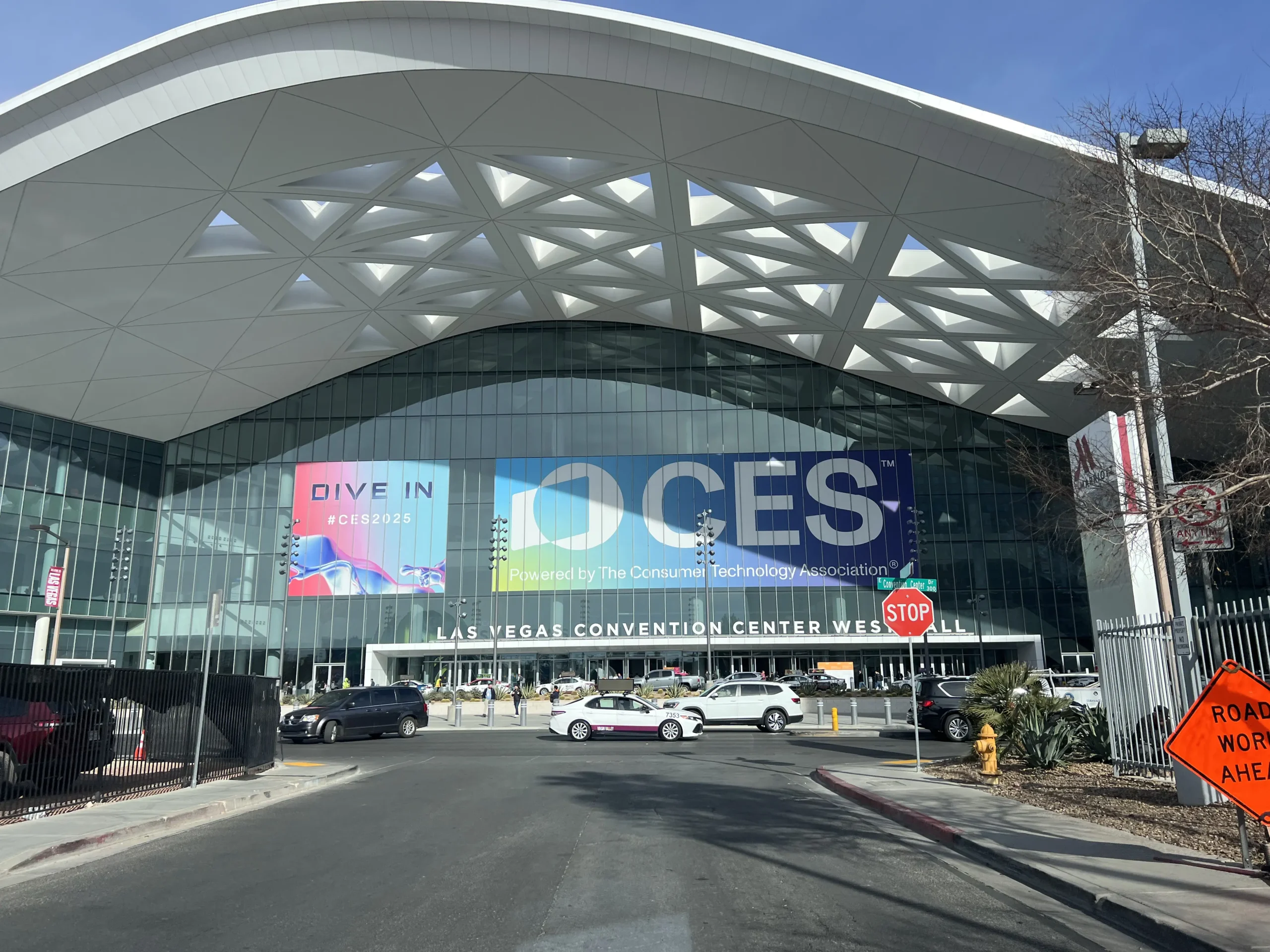
CES 2026 made one reality impossible to ignore: artificial intelligence now defines the technology industry’s direction. From semiconductor breakthroughs to autonomous vehicles and humanoid robots, AI shaped nearly every major announcement on the show floor. This year’s event did not treat AI as a trend or experiment. CES 2026 positioned AI as the foundation for the next decade of innovation.
Technology companies arrived in Las Vegas with a unified message. Computing power, data intelligence, and real-time decision-making now drive progress across consumer electronics, transportation, healthcare, and manufacturing. AI no longer supports products from the background. It now leads product design, user experience, and business strategy.
Nvidia Sets the Pace for the AI Era
Nvidia dominated the CES 2026 narrative through both presence and influence. CEO Jensen Huang delivered one of the most anticipated keynotes of the show, outlining how accelerated computing and AI platforms will reshape every industry.
Huang emphasized that AI workloads now demand specialized hardware rather than general-purpose processors. Nvidia’s latest AI chips target massive parallel processing, ultra-low latency, and energy efficiency. These capabilities power everything from real-time language models to autonomous driving systems.
Nvidia also highlighted its expanding software ecosystem, which allows developers to deploy AI across robotics, healthcare imaging, digital twins, and industrial automation. The company framed AI not as isolated tools but as scalable platforms that businesses can adapt to countless use cases.
AI Chips Become the New Battleground
CES 2026 confirmed that AI chips now sit at the heart of global competition. Semiconductor companies showcased processors designed specifically for inference, training, and edge computing. These chips deliver faster results while consuming less power, a critical requirement for mobile devices, vehicles, and smart infrastructure.
Manufacturers emphasized custom silicon optimized for AI workloads. Instead of relying on cloud-only processing, many systems now handle intelligence directly on devices. This shift improves privacy, reduces latency, and enables real-time responsiveness.
From laptops to industrial machines, AI processors now determine product capability. CES 2026 demonstrated that companies without strong AI silicon strategies risk falling behind quickly.
Autonomous Vehicles Accelerate with AI
Automotive technology emerged as one of the most AI-driven sectors at CES 2026. Carmakers and suppliers showcased autonomous and semi-autonomous systems that rely on advanced AI perception and decision-making models.
AI now processes data from cameras, radar, and lidar in real time. These systems detect pedestrians, predict traffic behavior, and adjust driving strategies instantly. Several automakers demonstrated urban driving scenarios that highlighted smoother navigation and safer interactions with human drivers.
Nvidia and other chipmakers positioned their platforms as the backbone of this transformation. Their automotive AI systems support continuous learning, allowing vehicles to improve performance through software updates rather than hardware replacements.
Robotics Enters a New Intelligence Phase
Robots at CES 2026 looked less mechanical and far more adaptive. AI gave robots the ability to understand environments, interpret human gestures, and perform complex tasks without constant reprogramming.
Manufacturers showcased service robots for homes, hospitals, and warehouses. These machines used computer vision, natural language understanding, and reinforcement learning to interact naturally with people. Robots now respond to spoken commands, navigate dynamic spaces, and adjust behavior based on feedback.
This evolution marks a shift from scripted automation to context-aware autonomy. Companies emphasized that AI enables robots to handle unpredictable situations, which expands their usefulness far beyond controlled environments.
Consumer Devices Become AI-First
CES 2026 also revealed how deeply AI has penetrated consumer electronics. Smartphones, laptops, televisions, and wearables now ship with AI engines that personalize experiences continuously.
Laptops demonstrated on-device AI assistants that summarize documents, generate content, and manage workflows without cloud dependency. Smart TVs analyzed viewing habits and optimized audio-visual output automatically. Wearables tracked health metrics while delivering predictive insights rather than raw data.
These products no longer ask users to configure intelligence manually. AI adapts quietly in the background, learning preferences and refining interactions over time.
AI Shapes Healthcare and Well-Being
Healthcare innovation at CES 2026 leaned heavily on AI-driven analysis. Companies showcased imaging systems that detect abnormalities faster and more accurately. Wearables used AI to identify long-term health patterns and early warning signs.
AI also enabled remote care solutions that support aging populations. Smart home sensors and monitoring tools helped caregivers track mobility, sleep, and activity levels without intrusive hardware. These systems focused on prevention and quality of life rather than reactive treatment.
CES 2026 made it clear that AI will play a central role in reducing healthcare costs while improving outcomes.
Software, Data, and Ethics Take the Spotlight
As AI adoption accelerates, CES 2026 also highlighted the importance of responsible deployment. Companies discussed transparency, bias mitigation, and data security as essential pillars of AI development.
Executives emphasized on-device processing and privacy-preserving techniques. These approaches reduce dependence on centralized data collection while maintaining performance. AI governance frameworks also gained attention as enterprises prepare for stricter regulations worldwide.
The conversation moved beyond “can we build it” to “how should we deploy it responsibly.”
One Clear Message from CES 2026
CES 2026 delivered a unified industry message: AI now drives innovation across every major technology sector. Chips power intelligence. Software enables learning. Devices adapt to users. Vehicles think on the move. Robots collaborate with humans.
Nvidia’s leadership and Jensen Huang’s keynote crystallized this shift. AI no longer supports technology from the sidelines. It now defines what products can do and how industries compete.
CES 2026 did not ask whether AI will shape the future. It showed how fast that future has already arrived.
Also Read – Leadership Skills Every Founder Must Develop